God of War Ragnarök Story Explained: The End of the Norse Gods and Odin's Greatest Deception

📋 Quick facts
- Game
- God of War Ragnarök
- Developer
- Santa Monica Studio
- Release year
- 2022 (November 9, 2022)
- Original platform
- PlayStation 4, PlayStation 5
- Genre
- Action-Adventure
- Director
- Eric Williams
- Music
- Bear McCreary
- Notable feature
- Finale of the Norse era; sold 5.1 million copies in its first week; won Best Narrative and Best Performance at The Game Awards 2022
- Previous entry
- God of War (2018)
- Next entry
- Not yet announced (free Valhalla expansion, December 2023)
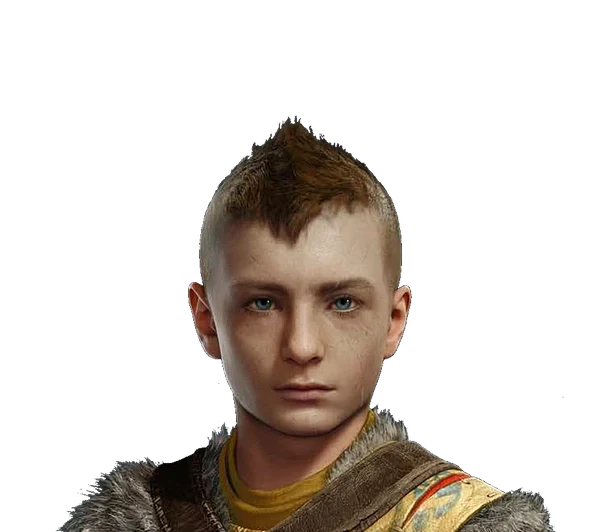
Three years after father and son scattered Faye's ashes from the highest peak in Jötunheim, Midgard is still buried in Fimbulwinter — the winter of winters, lasting three summers in a row without a thaw. It is the first sign of Ragnarök, and the legacy of Baldur's death: as the previous game's story ended, when Kratos snapped the invulnerable god's neck to save Freya, he unknowingly started the countdown of the Nine Realms. Atreus is now fourteen: he secretly researches his identity as Loki behind his father's back, along with the question that haunts him most — where are the remaining Giants? Kratos, meanwhile, wants only for his son to learn to survive and stay away from the gods. The conflict of this entry therefore begins not with any god, but with the growing distance between a father who wants to shield and a son who wants to know who he is.
Then, one snowy night, Freya — now a mother who lost her son and lives on hatred — attacks them in the shape of a giant falcon. And just as father and son reach home, lightning tears the sky open: Odin, the All-Father, knocks on their door together with Thor, the God of Thunder, the nightmare of the Giants. Ragnarök is no longer a distant prophecy. It is standing right at their door.
📌 Quick summary: Three years after Baldur's death, Fimbulwinter covers the Nine Realms and Odin and Thor come to Kratos's very door. Father and son set out to find Týr to avert Ragnarök, but are drawn ever deeper into the prophecy of Loki. Odin, disguised as Týr the whole journey, kills Brok when exposed; the alliance of the realms assaults Asgard, Thor and Odin both die, and Asgard falls. Atreus leaves to find the last Giants, while Kratos glimpses a future in which he is worshipped as a benevolent god.
Fimbulwinter and the guest who brought the thunder
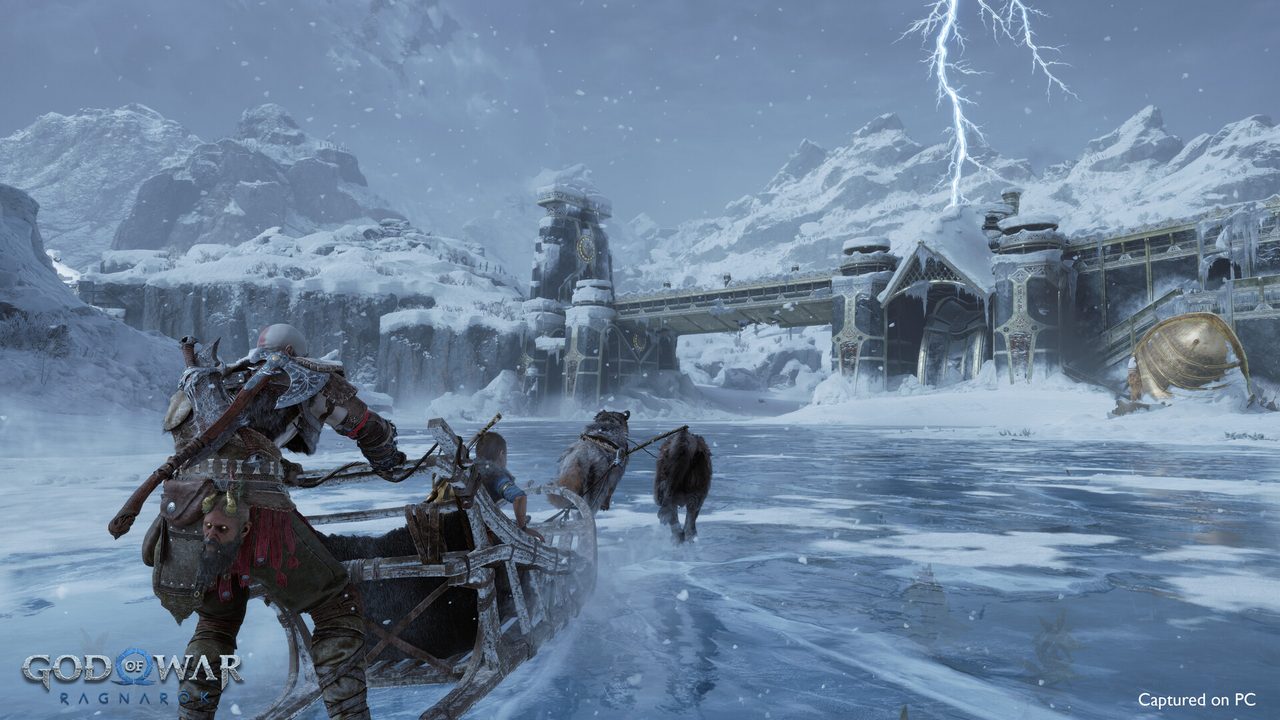
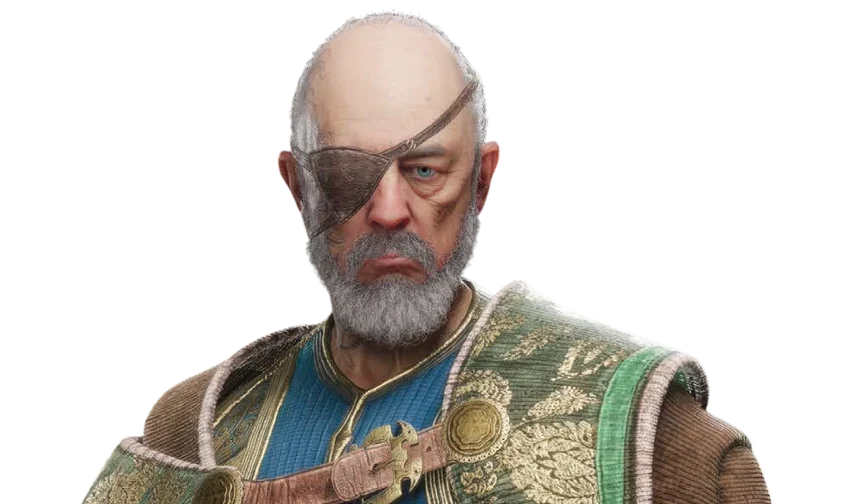
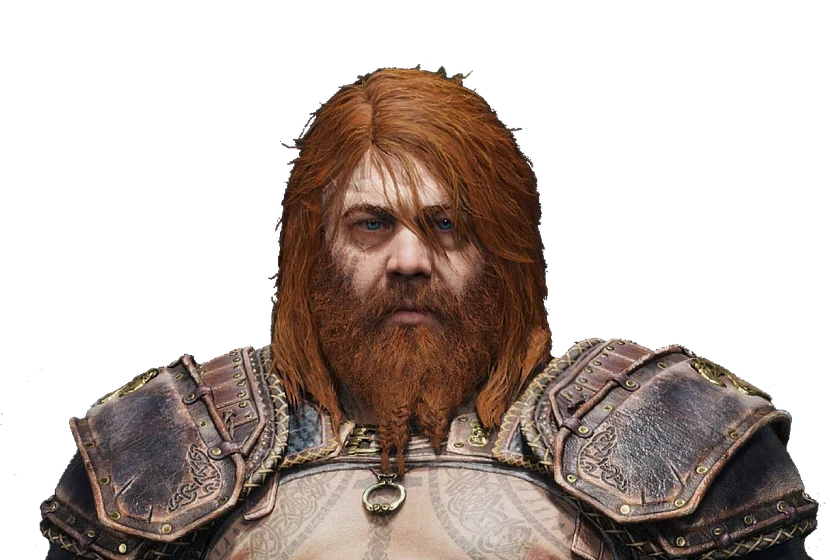
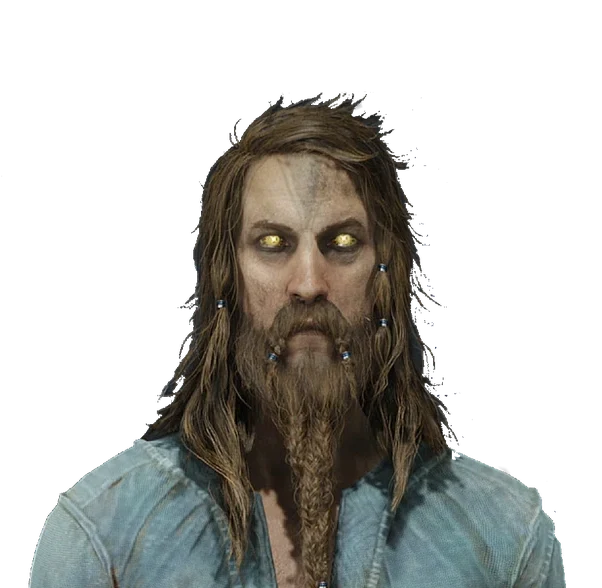
The opening hunt ends in an ambush: Freya, transformed into a giant falcon, dives at father and son. She is no longer the gentle "witch of the woods" of old: Baldur's death at Kratos's hands — even though she begged for the opposite in the final second — has turned her into a tireless huntress. Back home, they have barely caught their breath when a one-eyed man dressed like a harmless wanderer appears with his two ravens, Huginn and Muninn: Odin. With him is Thor — massive frame, red beard, the hammer Mjölnir — the god who slaughtered the Giants across the Nine Realms on his father's orders. Odin offers a deal that sounds perfectly reasonable: he will leave father and son in peace, even restrain Freya, if Atreus stops searching for Týr.
Kratos refuses at once — he has learned enough lessons about bargains with gods. Thor immediately launches into the most anticipated fight of the entire series: Mjölnir against the Leviathan Axe on the frozen lake. Thor mocks Kratos for fighting like he is holding back — and he is right: Kratos fears his own rage more than any opponent. Only when Thor taunts him about Atreus does the anger flare for a moment, enough to stagger Mjölnir. Then Odin calls him off, pointedly reminding them that the blood debt for Magni and Modi — Thor's two sons, killed by father and son in the previous game — is still unpaid. Father and son understand that peace is no longer an option: if Týr is alive, he is the only one who can lead the Nine Realms against Odin.
Down into the Svartalfheim mines to free Týr
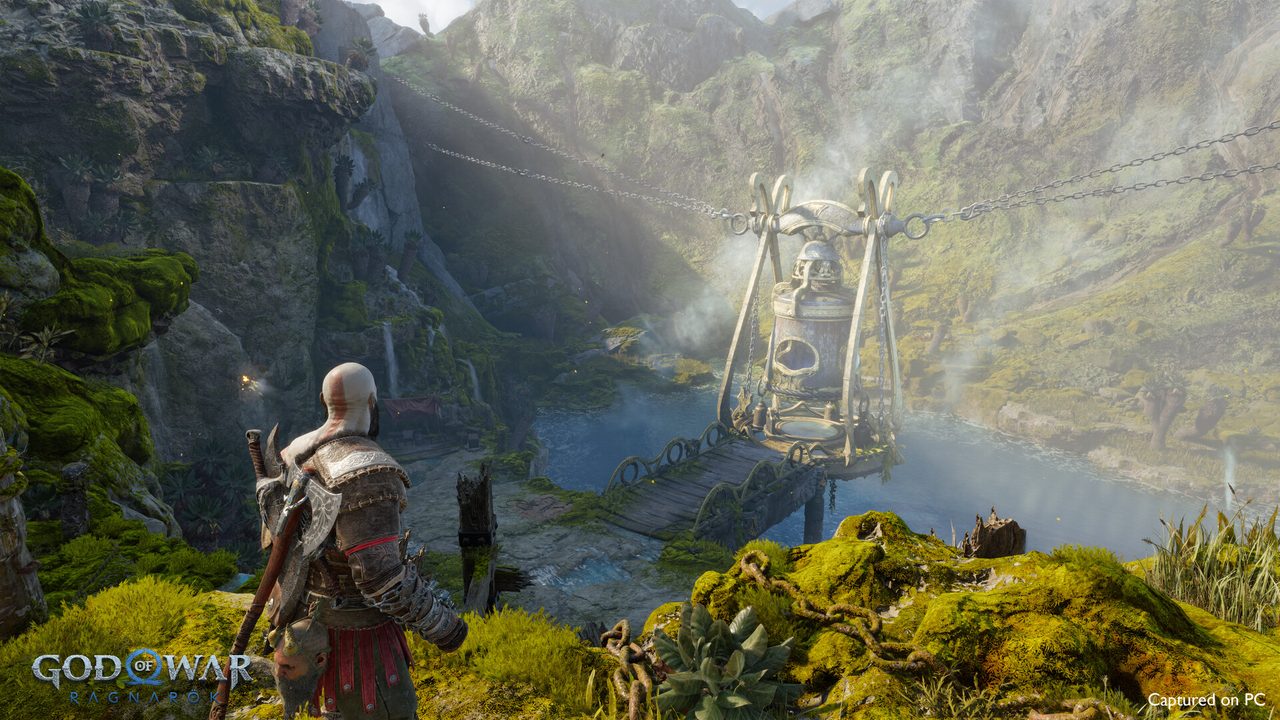
The first lead comes from Durlin, a dwarf who once worked for Odin: Týr is imprisoned in a mine in Svartalfheim, where Asgard's forges have drained the realm's resources and exploited its people for generations. From Sindri's house — the house between the realms, now the group's base — father and son descend into flooded tunnels and open the deepest cell. Týr is truly alive. But the god who steps out is not the legendary general of Mimir's stories: he is a gaunt, panicked man who flatly refuses to take up weapons. Years of imprisonment and torture have crushed him; he asks only to be left in peace, and wants to lead no one. Atreus is visibly crushed — he had bet everything on the image of a heroic god of war.
Even so, Týr agrees to go with them, and the lead he remembers is an ancient Giant shrine in Alfheim holding prophecies even Odin has never touched. Along the way, Atreus grows ever closer to this gentle, patient god — so unlike his tight-lipped father. No one, not even the wise Mimir, notices something strange: Týr knows too much about their plans, and whenever the group wavers, he gently steers the conversation toward exactly the secrets Odin craves most. Odin's most perfect trap is not in Asgard. It is sitting down to dinner with them every night.
Alfheim and the secret Gróa hid from Odin
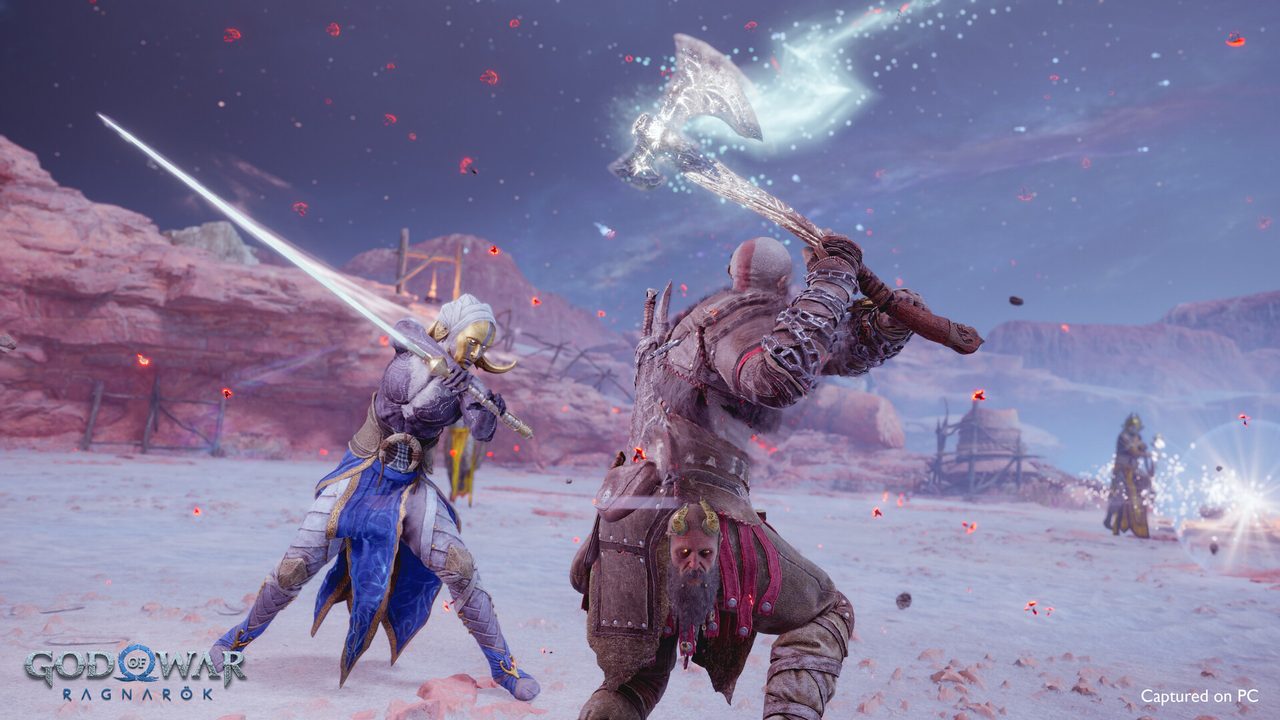
Alfheim, realm of the elves, is still locked in its endless war around the Light. Crossing the Barrens desert, the group reopens the shrine of Gróa — the first Giant prophetess who ever saw Ragnarök. Because of that vision, Odin killed her and stole her library, believing he had seized the whole future. But in the secret chamber behind her statue, the group finds the part of the prophecy Gróa deliberately hid until death: in the true Ragnarök, only Asgard is destroyed, while the other realms survive and rise together against the All-Father, led by a "champion."
More importantly, Gróa also hid the part of the prophecy about Loki: the mural shows Atreus lying motionless in the arms of a strange, silver-bearded man, his soul drifting into a mysterious vessel — as if he will die, and there is even an image of him standing beside Odin. Father and son each hide part of what they saw from the other, and the crack between them widens. Atreus begins to lose control: rage turns him into a giant bear that attacks even his allies. Kratos faces the greatest fear of a father who was once a god of war: his son carries the blood of gods, of Giants, and of Spartan wrath — and no one has taught him how to master it.
Vanaheim: Freya breaks her own curse
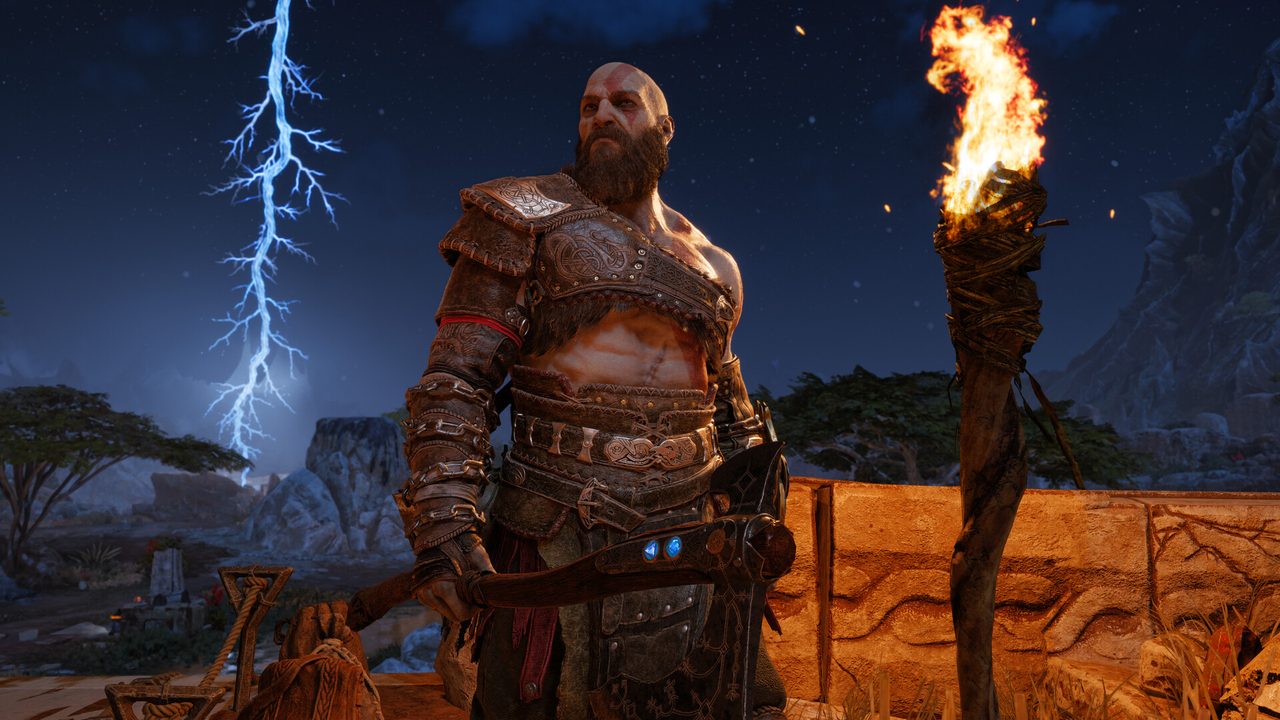
On Týr's advice, the group travels to Vanaheim, home of Freya and the Vanir, where the curse binding her has its roots. Kratos and Freya are forced to travel together — a thorny pairing: she still wants to kill him; he is still the man who snapped her son's neck before her eyes. Together with Freyr, Freya's brother and leader of the Vanir resistance against Asgard's Einherjar army, they face Nidhogg, the great dragon guarding the roots of the World Tree Yggdrasil — where the curse is anchored. Nidhogg is killed, the roots are severed, and for the first time in decades, Freya is free: she can leave Midgard, bear weapons, and decide her own fate.
The decisive moment comes right after, when Freya has her chance to kill Kratos in revenge for Baldur — and stays her hand. Not because she forgives him at once, but because she realizes who truly deserves punishment: Odin, who turned her marriage into a prison and her love for her son into a curse that slowly killed Baldur himself. She chooses to ally with Kratos, on one cold condition: their own account is not settled, but Asgard must fall first. Yet the victory in Vanaheim does not heal the rift in Sindri's house. Atreus believes everyone only wants to keep him in the role of the obedient child waiting to die as prophesied. After the fiercest argument between father and son in the whole story, he storms out — and wakes in a place on no map of the Nine Realms: Ironwood, the last hidden forest of the Giants.
Ironwood and the marbles holding the Giants' souls
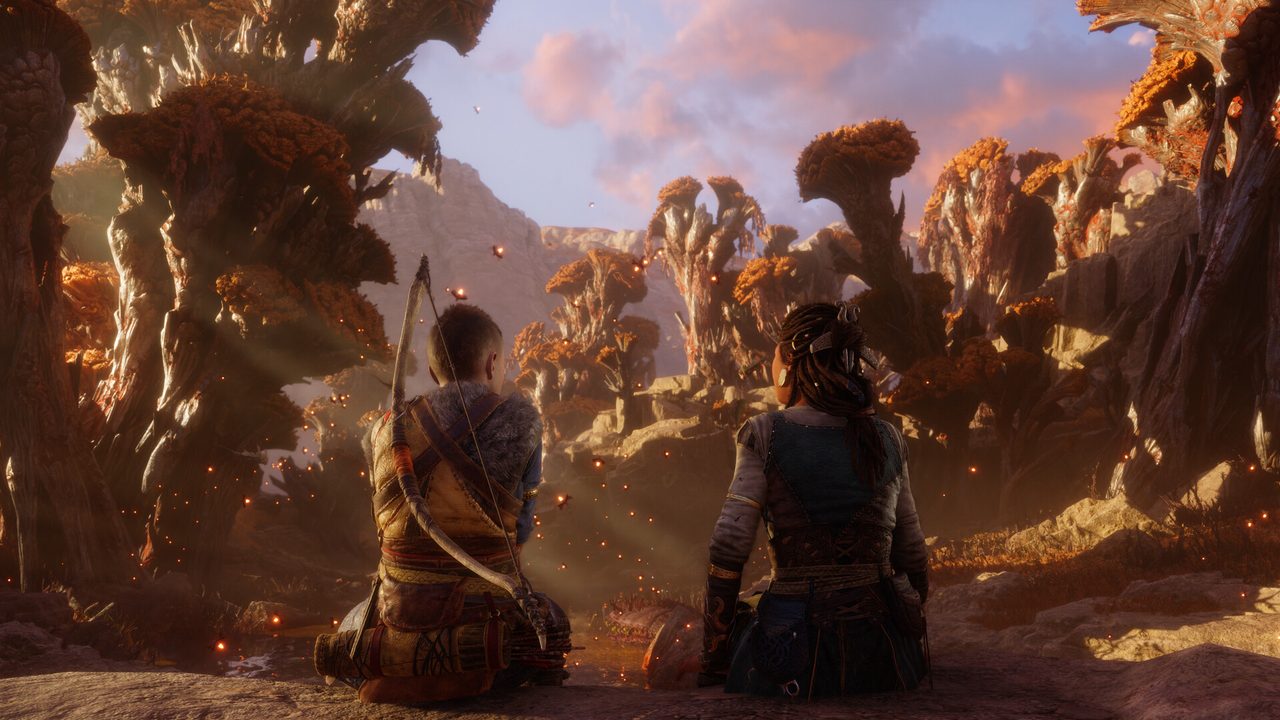
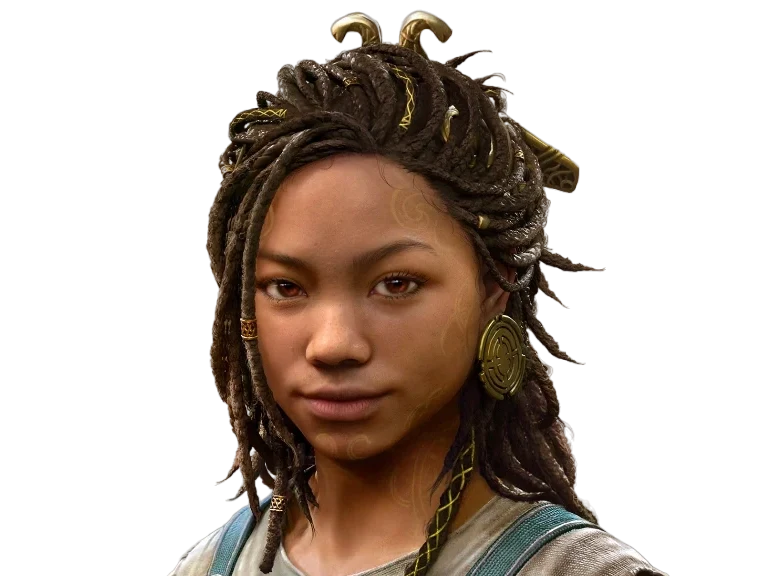
Waiting for Atreus is Angrboda — a Giant girl his own age, living alone in the forest, awaiting Loki just as her parents instructed before they died. Angrboda is the painter of the prophetic murals: her people painted Loki's entire journey before he was even born. She tells him a painful truth: the Giants were not wiped out in a war. They chose to withdraw from the Nine Realms — their souls shrunk down and stored inside magical stone marbles, waiting for a safe day to return. Angrboda gives Atreus a bag full of those marbles: the entire legacy of the people he inherited from his mother, now resting in the palm of his hand.
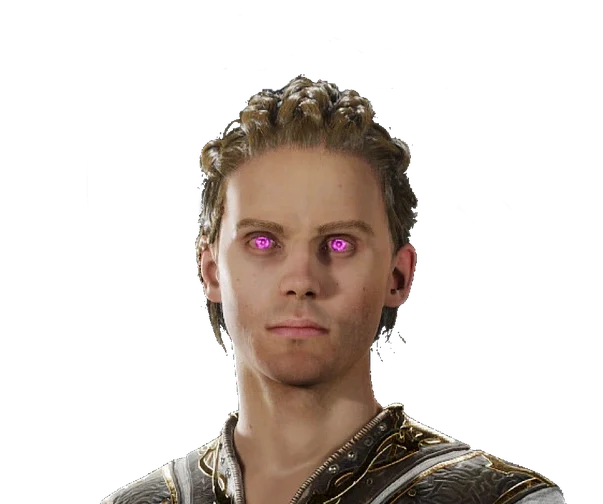
But Ironwood also hides a cruel secret: a mural Angrboda has never shown anyone, depicting Kratos dead in the final battle, lying in Atreus's arms. It is the original mural that Faye — Atreus's mother — deliberately destroyed part of at Jötunheim so father and son would not be imprisoned by it. Atreus decides to hide it from his father, believing that carrying the prophecy alone is how he protects him, and helps Angrboda free her grandmother's soul from an old dragon — using Loki's gift for the first time to move a soul into a new body. Leaving Ironwood, he carries two burdens: the soul marbles of an entire people, and the prophecy of his father's death. When Odin's ravens appear, Atreus does not run: he lets them carry him to Asgard, where the All-Father is waiting with an offer of work.
Atreus in Asgard: the mask and the rift in reality
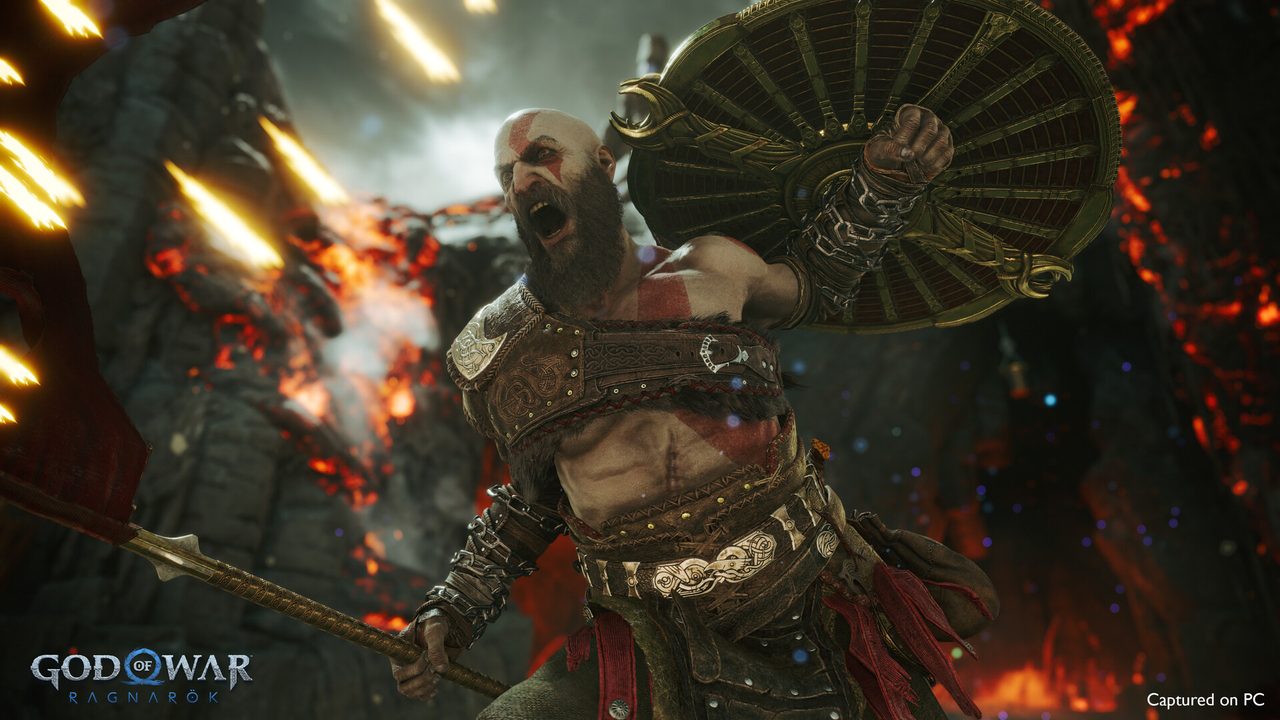
Asgard is no paradise: it is a colossal fortress behind the great wall of Hrimthur, where Odin rules through fear and surveillance. But for Atreus, he plays the part of a kind, grandfatherly host who respects the boy suspiciously much, and offers him a job: translate the ancient inscriptions on a broken mask and recover its missing pieces. The mask, Odin says, is the key to a rift in reality that appeared at the dawn of the universe — through it, one can learn every secret, including how to escape the death prophecy has decreed. Odin does not hide his ambition: he killed Gróa, tortured Mimir, and committed countless crimes — all to answer a single question: what happens to him after he dies?
Atreus works for Odin, half spy and half genuinely curious. He travels with Thor to Muspelheim for the first mask fragment — and discovers that Thor, "destroyer of the Giants," is also just a pawn his father manipulates with contempt and alcohol. He befriends Thrud, Thor's daughter, and faces Heimdall — the god who sees through every intention, who never misses a chance to mock "the little Loki boy." After a final trip to Helheim with Thrud, the mask is complete. At home, Kratos seeks out the Norns — the three sisters who weave fate — and receives a bitter lesson instead of a prophecy: there is no "fate," only the repeated choices each person makes that render the outcome predictable; and he will kill Heimdall, because that is what he always does. The Huldra brothers forge him the Draupnir Spear from Odin's self-replicating ring — the only thing that can pierce Heimdall's perfect senses. When Atreus returns, another argument erupts: the boy panics, turns into a bear, injures Sindri, and flees down to Helheim.
Helheim, Fenrir reborn, and the death of Heimdall
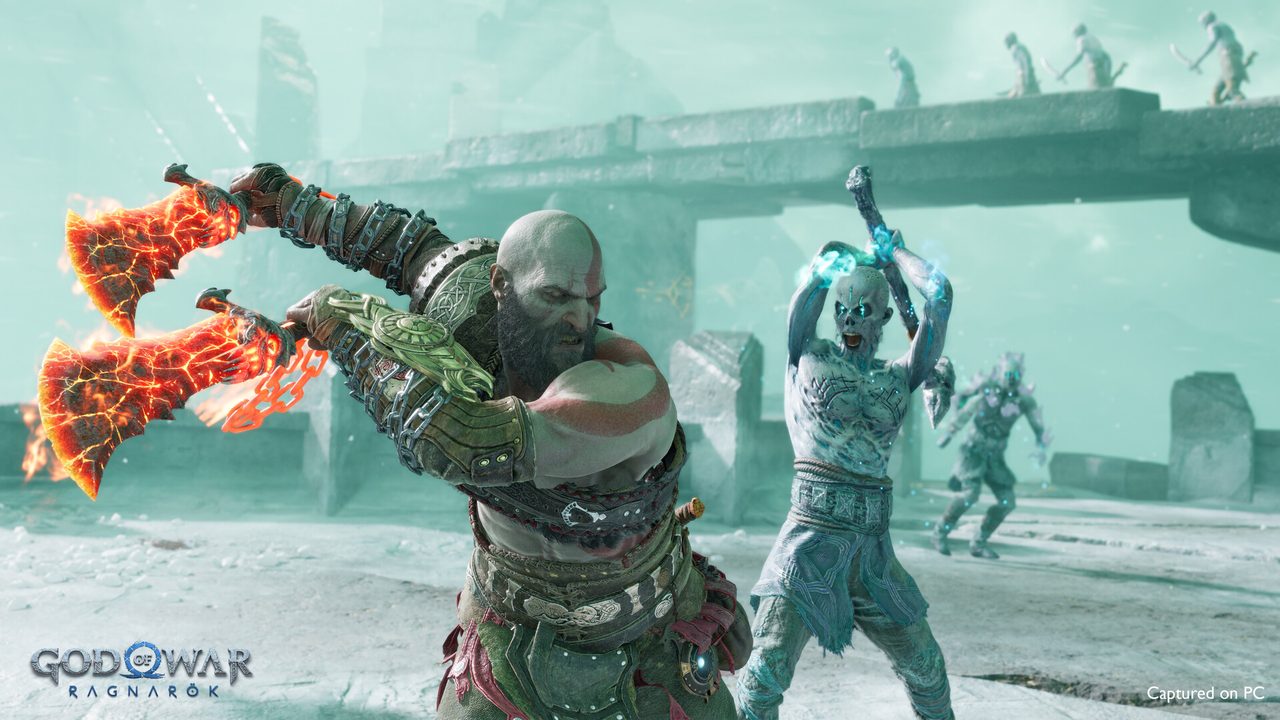
Rewinding a little: on the Helheim trip with Thrud, Atreus did something born of kindness — he freed Garm, the giant wolf chained in the realm of the dead. But Garm can bite through reality itself: set loose, it tears holes between the realms, letting the dead spill into the world of the living. When Atreus tries to go down to Helheim alone to fix his mistake, Kratos catches up — and for the first time in the whole story, the father gives no orders: he admits he was wrong not to trust his son. The solution comes from Giant magic: Atreus places the soul of Fenrir — the beloved wolf pup who died in his arms at the story's start, whose soul he had unknowingly stored in his knife — into Garm's empty body. Fenrir is reborn in a body that can tear reality, and can now open the way for the alliance in the final battle.
But the moment they return, Heimdall is waiting in Vanaheim to carry out his vow: kill Loki and bring Gjallarhorn back to Odin. The fight with him is Ragnarök's point of no return. Heimdall reads every blow before it lands; only the Draupnir Spear, exploding at a distance and striking from directions no one can foresee, can touch him. Kratos offers him his life — the lesson he promised himself he would keep. Heimdall refuses, declares he will kill Atreus, and charges one last time. Kratos strangles him to death, in a moment where he nearly loses himself to the old rage. He brings back Gjallarhorn, the horn that summons the realms on the day of doom, and understands exactly what it means: just like the time he led the Titans up Olympus years ago, once this horn sounds, there is no way back for anyone.
"Týr" unmasked, Brok falls, and the horn of Ragnarök
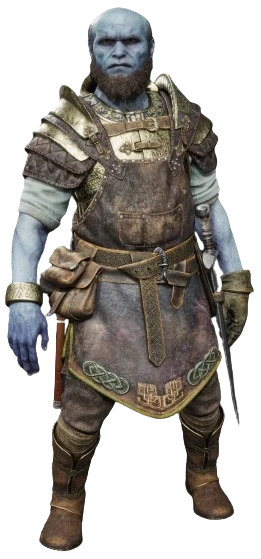
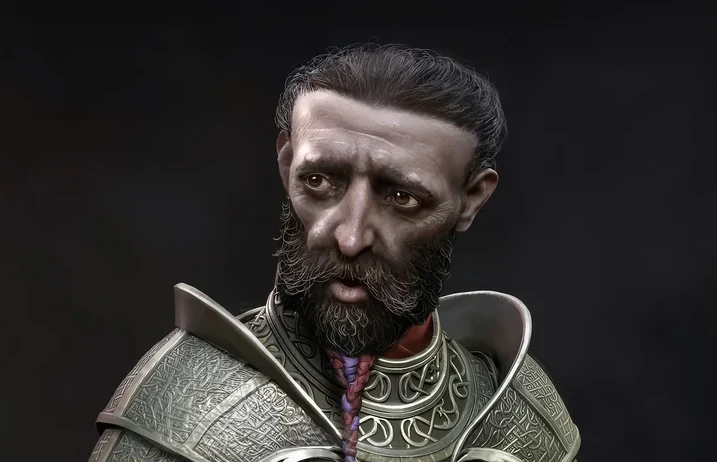
Back at Sindri's house with Gjallarhorn, the group plans how to assemble the alliance of the realms. But Brok — the crudest, bluntest dwarf of the group — begins to notice details about Týr that do not add up: he calls Freya "Frigg," Odin's own way of addressing her, and his stories have gaps only a dwarf who once forged weapons for Asgard would catch. Brok confronts him. And "Týr" — who has traveled, eaten, and lived with them, hearing every plan of the entire journey — sheds his disguise: it is Odin, impersonating him from start to finish. Before vanishing through his ravens, he drives a fatal knife into Brok. Brok dies in Sindri's arms, with uncharacteristically kind last words for the little brother he always teased.
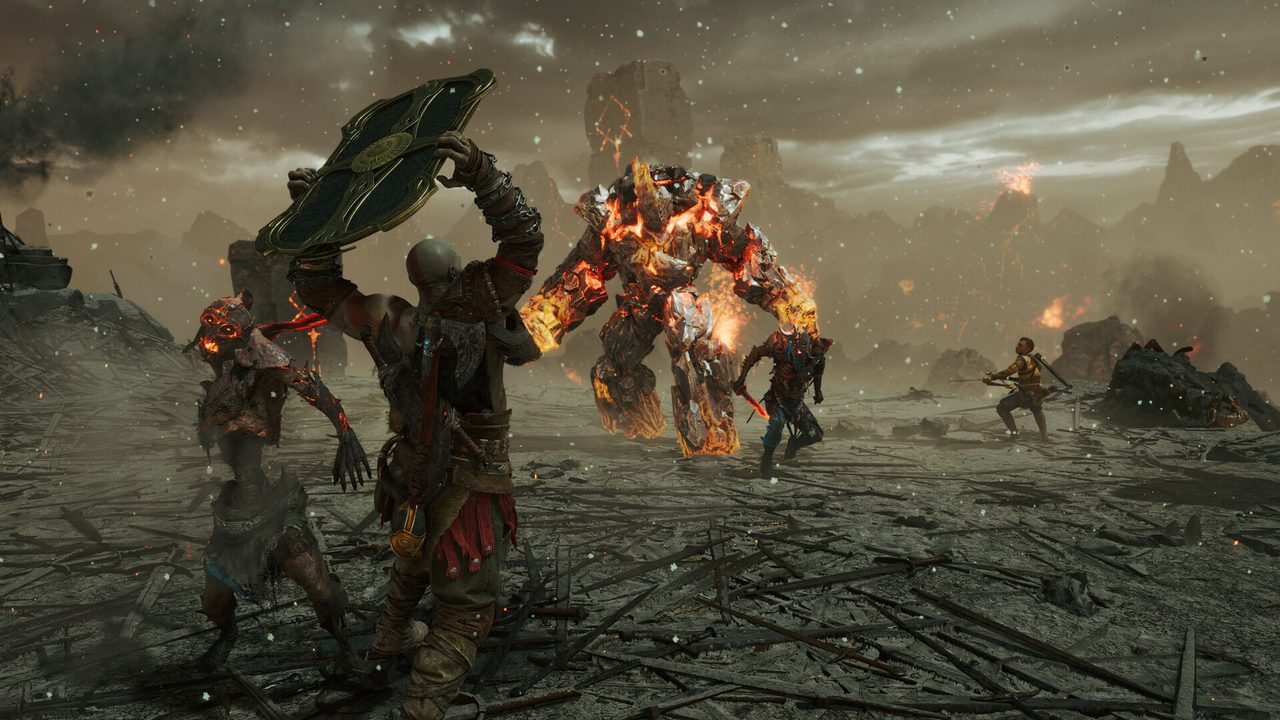
Sindri — the kindest dwarf in the Nine Realms — collapses completely. He once descended into the realm of the dead to win his brother's soul back, leaving Brok resurrected missing a piece of his soul; this time, there is no miracle left. Sindri blames Atreus — the boy who brought "Týr" into their home — and declares that everything is over. But there is no time to grieve: for the first time in his life, Kratos steps forward to lead a war that is not about his own revenge. Realm after realm answers the call of Gjallarhorn: the elves of Alfheim, the Vanir, the dead of Helheim led through by Fenrir, and Jörmungandr, the World Serpent. In Muspelheim, Kratos and Freya persuade Surtr — the fire giant who, by prophecy, will burn Asgard — at a painful price: to become the beast Ragnarök, he must take the fire of Kratos's blades into his heart, and will never see his beloved Sinmara again. Surtr accepts. The gate to Asgard opens.
The battle of Asgard and the death of the gods
Thor, drunk and forced by his father to fight to the end, faces father and son one last time in the heart of the fortress. But what kills Thor is not the Leviathan Axe: when Kratos lowers his weapon and tells him they must both become better fathers for the sake of their children, Thor stops. He drops Mjölnir and refuses to fight on — and Odin, appearing at that very moment, drives his spear through his own son's chest for disobedience. Thor dies at the hands of the father who turned his whole life into a weapon. Thrud, witnessing it all, picks up Mjölnir and leaves the battlefield: the hammer of the Giants' destroyer now belongs to another generation.
The final battle with Odin takes place in his underground library, where the rift in reality is kept. Kratos, Atreus, and Freya fight together: Freya binds him with magic, Kratos breaks through every defense, and Atreus — using the Giants' soul magic — traps Odin's soul inside a stone marble. The All-Father ends his existence not in the glory of a god, but in a small marble resting in a teenager's hand. Then Sindri appears — silent, gaunt, eyes empty. He picks up the marble and smashes it with a single hammer blow, without a word to spare: the only justice Sindri still believes in. Asgard collapses as the beast Ragnarök burns the entire realm; the alliance barely escapes through the tears in reality. For the first time in centuries, the Nine Realms no longer live in the All-Father's shadow.
The fates of the characters
Kratos — The father who was once the monster of Greece completes the longest road to redemption in the series. Unlike the man who once tore down all of Olympus single-handedly, the Kratos of Ragnarök leads an alliance, lowers his weapon before Thor, and offers his enemy a chance to live. In the final moments, he finds, behind Faye's prophetic mural, another mural the Giants hid: it depicts him — not dying in disgrace — but worshipped by the realms as a benevolent god, a father, a savior. Kratos weeps. For the first time in centuries, the future held out to him is not made of blood.
Atreus / Loki — He fulfills the prophecy in the way no one expected: not by dying, but by leaving. With the bag of Giant soul marbles in hand, Atreus decides to set out alone to find the surviving Giants hiding beyond the Nine Realms. The farewell between father and son — "Loki has to go, but Atreus will remain" in his father's heart — is the game's most emotional closing scene.
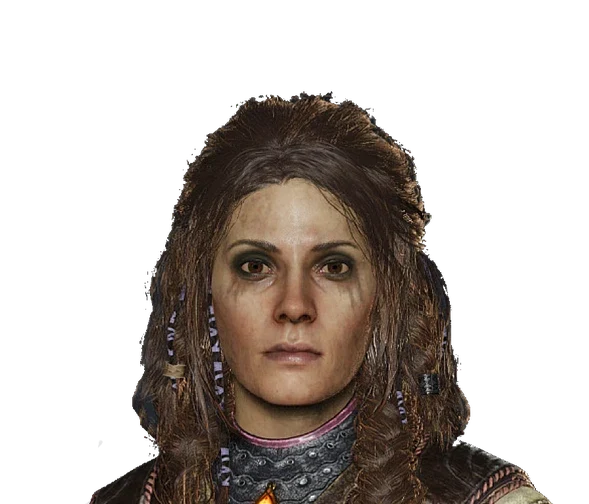
Freya — The Vanir goddess wins back her freedom, forgives the man who killed her son, and becomes one of the leaders of the new world after Asgard. She travels the realms with Kratos clearing away the remnants of the Aesir; their relationship — from enemies to allies to friends who understand each other's pain better than anyone — is one of the game's most mature arcs.
Thor and Odin — The two greatest enemies of the Nine Realms die on the same day, in opposite ways: Thor dies in the first moment he dares to live for himself, while Odin dies after a lifetime of refusing to face the question of his own death. Odin's soul is trapped in a marble and smashed by Sindri — an irreversible end that closes the Aesir era forever.
Brok and Sindri — The tragedy of the two smith brothers is the game's broken heart. Brok dies because he saw through Odin; Sindri survives but loses everything: his brother, his trust, and the kindness that was his very nature. He appears one last time at Brok's funeral in Svartalfheim, then leaves — leaving behind the game's most haunting question: are there losses that even victory cannot make up for?
The real Týr — The true god of war is still alive, imprisoned in a prison in Niflheim that players can only find after Asgard falls (a side quest after finishing the main story). The real Týr is gentle and calm, practicing tai chi in the misty realm — and refuses any role of leadership, choosing to live out his remaining days in peace.
Common misunderstandings
Is the "Týr" who travels with father and son from the start the real Týr?
No. The "Týr" rescued in Svartalfheim is Odin in disguise from the very beginning — the real Týr is imprisoned in a prison in Niflheim, which only opens after the main story is finished. All of the fake Týr's gentle, war-averse behavior is an act, meant to eavesdrop on the group's plans and track down the secrets Odin wants to know, not the trauma everyone assumed it was.
The detail that gives him away is a very small habit: Odin calls Freya "Frigg" — his own way of addressing her — and Brok is the first to notice the inconsistency. This is also why Odin always seems to know the group's moves in advance: he is not guessing; he is sitting right inside their home.
Is Thor in Ragnarök the bloodthirsty villain he is rumored to be?
Not exactly. Thor is indeed the god who slaughtered the Giants, an alcoholic and a violent man — but he is also Odin's victim: belittled, manipulated, and used as a weapon by his father his entire life. The moment he drops his hammer for his children's sake is the turning point of his character, and precisely because he dares to stop, Odin kills him in front of his daughter.
Thor in the game is a far cry from the cheerful muscle-bound hero familiar from popular films: this is a weary god who knows exactly what he has done and no longer believes he deserves saving.
Does Atreus die as the Alfheim prophecy foretold?
No. The Alfheim mural shows Atreus motionless in the arms of a silver-bearded man, his soul drifting away — but that image was arranged by Gróa to deceive Odin, and the "death" in the mural does not happen literally. Atreus survives Ragnarök and chooses for himself to leave in search of the Giants, as a living person in charge of his own life.
Likewise, the Ironwood mural depicting "Kratos's death" never comes true. The entire game revolves around the idea that a prophecy only holds for those who behave exactly as it describes — and father and son have changed enough to step out of it.
Is Kratos still the bloodthirsty god of war from his Greek days?
No. The Kratos of the Norse era struggles every day not to become who he once was — the man who sold his soul to Ares and massacred an entire temple in a blind frenzy. He still kills when he must, and the fight with Heimdall shows the old rage never fully vanished; but he offers his enemy a chance to live and lowers his weapon before Thor.
That change is not the "softness" Thor mocks at the game's start. It is the strength of a man who has seen the end of the road of revenge — an empty Olympus — and resolved never to walk it again.
Does Ragnarök in the game destroy all Nine Realms, as in mythology?
No. This is precisely the greatest secret Gróa hid from Odin: in the true prophecy, only Asgard is destroyed and the other eight realms survive. Odin, believing Ragnarök would erase everything, spent his life seeking an escape; the truth is that the end of days is only the end of his own kingdom.
Theories & mysteries
Who blew the horn that summoned Jörmungandr in the previous game? — The most famous mystery of the Norse era, and Ragnarök still does not answer it directly. In the 2018 game, someone blew the horn to call the World Serpent while Atreus lay ill, off-screen. The community's most popular theory is that it was Atreus/Loki himself, from the future, but Santa Monica Studio has stayed silent, so the detail remains in the realm of speculation. (Label: community speculation, unconfirmed.)
What is the rift in reality behind the mask? — Odin believed the rift contained absolute knowledge of the universe and of death. The game never shows what lies on the other side: at the decisive moment, Atreus breaks the mask and throws it into the rift. Many read the rift as a metaphor for Odin's obsession — knowledge no living being is meant to possess. (Label: deliberate storytelling choice by the studio; the deeper meaning is speculation.)
Where are the surviving Giants? — Atreus's open ending leaves the series' biggest question: how did the Giants withdraw from the Nine Realms, and in what lands beyond the Norse map are they hiding? Angrboda says there are still soul marbles yet to be awakened, and Loki's journey has only begun — the clearest door toward future entries, though the studio has announced none. (Label: the in-game details are real; any predictions about sequels are speculation.)
The legacy of Ragnarök
God of War Ragnarök launched on November 9, 2022 for PlayStation 4 and PlayStation 5, selling 5.1 million copies in its first week — a record for a first-party PlayStation title at the time — and winning many major awards, including Best Narrative and Best Performance for Christopher Judge at The Game Awards 2022. In December 2023, the free Valhalla expansion brought Kratos back to confront his own Greek past, widely regarded as the character's true epilogue: he takes the seat of a god — but as the God of Hope, by his own choice. The PC version arrived in September 2024, bringing the full story to a new generation of players.
But Ragnarök's greatest legacy may not be in its sales. It is the rare ending of a blood-soaked action series whose emotional peak is not a battle, but a father learning to let go, a son learning to leave — and an apocalypse prophecy defeated not by weapons, but by two people deciding to become someone other than what fate had drawn for them.
👤 Main characters
A quick introduction to the central characters of the story.
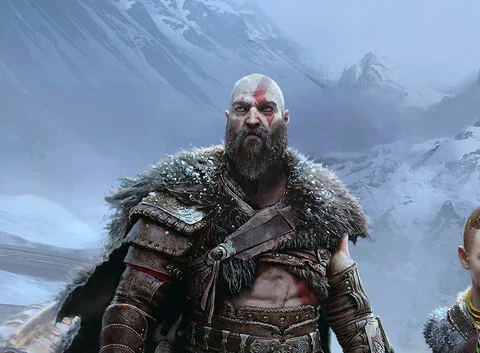
- Title
- The Ghost of Sparta
- Weapons
- Leviathan Axe; Blades of Chaos; Draupnir Spear
- Identity
- Former Greek God of War; Atreus's father
The Greek god who once slaughtered all of Olympus, now living in hiding in Midgard and struggling every day not to become who he was. In Ragnarök, he learns the hardest lesson of his life: not how to fight, but how to let his son go.
📚 Read the God of War series in story order
- God of War: Ascension Story Explained: Six Months After the Tragedy and the Three Goddesses of Vengeance
- God of War: Chains of Olympus Story Explained: The Day the Sun Vanished and Kratos's Cruelest Choice
- God of War (2005) Story Explained: Ten Years of Nightmares and the Price of Killing a God
- God of War: Ghost of Sparta Story Explained: The Forgotten Brother and the Prophecy of the Marked Warrior
- God of War II Story Explained: The God Betrayed by His Father and the Titans' March on Olympus
- God of War III Story Explained: The Fall of Olympus and Kratos's Final Gift of Hope
- God of War (2018) Story Explained: A Father and Son Scatter the Ashes — and the Name Loki
- God of War Ragnarök Story Explained: The End of the Norse Gods and Odin's Greatest Deception — you are reading this one


