God of War II Story Explained: The God Betrayed by His Father and the Titans' March on Olympus

📋 Quick facts
- Game
- God of War II
- Developer
- Santa Monica Studio
- Release year
- 2007 (March 13, 2007)
- Original platform
- PlayStation 2
- Genre
- Action-Adventure
- Director
- Cory Barlog (David Jaffe — creative director)
- Music
- Gerard Marino, Ron Fish, Mike Reagan, Cris Velasco
- Notable feature
- Roughly four times as many boss fights as the first game; the series' first use of time travel through the Loom of Fate
- Previous entry
- God of War (2005)
- Next entry
- God of War III (2010)
Ten years of service to Olympus bought Kratos a throne, and that throne never truly belonged to him. After killing Ares and becoming the new God of War in the first entry of the series, he was still haunted every night by nightmares of his lost family, still shunned by the gods as a lucky mortal rather than one of their own. More than a decade passed — through the events in Atlantis and the Domain of Death in Ghost of Sparta — and that pain only changed shape: from despair into rage, and from rage into endless campaigns of conquest in the name of Sparta.
God of War II is the entry where that rage finally finds a target worthy of it: Zeus, king of the gods. This is no longer the story of a man who goes to kill a god. This is the story of a god betrayed and murdered by his own father, who crawls back from the dead to declare war on all of Olympus — and ends on one of the most famous cliffhangers in PlayStation 2 history.
⚠️ Spoiler warning: This article retells the full story of God of War II, including Zeus's betrayal, Kratos's true parentage and the death of Athena.
📌 Quick summary: Kratos, the God of War cast out by Olympus, leads his army against the city of Rhodes and is tricked by Zeus into pouring all of his godly power into the Blade of Olympus — then stabbed to death by that very blade. Rescued from the Underworld by the Titan Gaia, Kratos crosses the Isle of Creation, defeats the three Sisters of Fate, travels back to the moment of his murder and nearly kills Zeus — before Athena takes the blow meant for her father and reveals the truth: Zeus is Kratos's father.
Chapter 1: The Cold Throne and the Colossus of Rhodes
Kratos served as a god the only way he knew how: war. Unrecognized by the other gods and tormented by nightmares, he sought oblivion by personally leading the Spartan army on campaigns of conquest across Greece. Athena — the only god who still spoke to him — warned him again and again that Olympus was losing patience and that she could not shield him forever. Kratos answered that he owed Olympus nothing, and descended upon Rhodes.
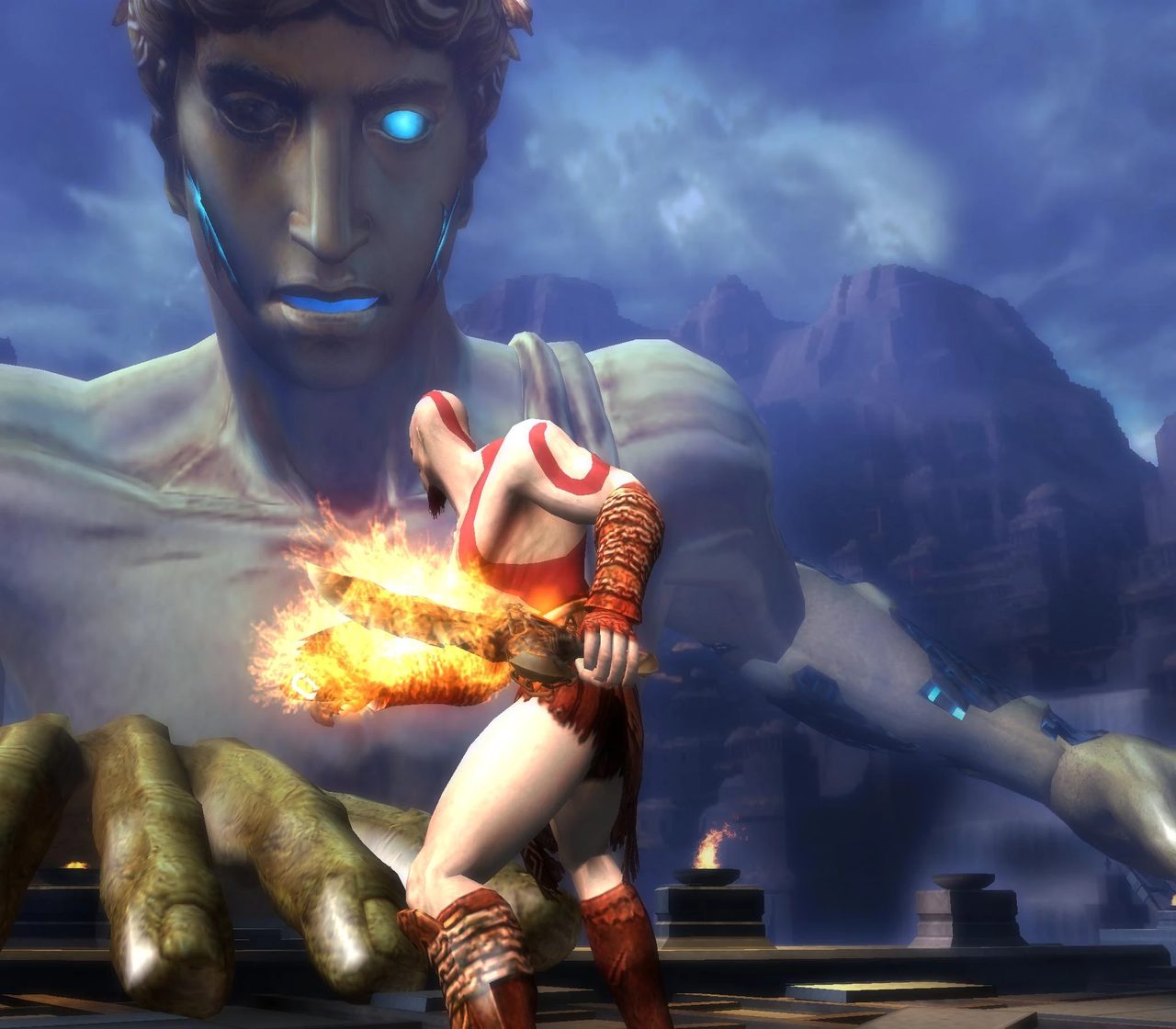
In the middle of the battle, a giant eagle swooped down, stole most of Kratos's godly power and poured it into the Colossus of Rhodes — one of the Seven Wonders of the Ancient World. The bronze statue came alive, tore free of its mooring chains and strode into the city like a god of destruction. Kratos believed the eagle was Athena in disguise, and his fury doubled: he blinded one of the statue's eyes and slashed open its cheek as the battle raged across Rhodes. But he could not defeat a monument holding his own divine power. At that moment, from the heavens above, Zeus offered his "help".
Chapter 2: The Blade of Olympus and the Perfect Trap
Zeus gave Kratos the Blade of Olympus — the divine sword he once wielded to end the Great War between gods and Titans long ago. But the blade would only unleash its power if Kratos poured the last of his godhood into it. It was a perfect trap, aimed at Kratos's one weakness: the pride of a warrior who never accepts defeat. Kratos did it. Mortal once more, he climbed inside the Colossus, drained away the power that had given it life and brought it crashing down. But in the moment of victory, the statue's giant hand fell and crushed him — leaving him dying just a few steps from the sword that held all of his power.
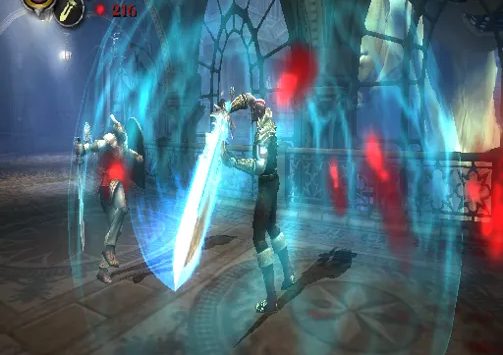
As Kratos crawled toward the sword, the eagle landed and revealed its true form: not Athena, but Zeus. The king of the gods admitted he had been forced to act because Athena refused to do it. Zeus offered Kratos one last chance: kneel, swear eternal service to the gods, and live. Kratos spat on the offer. Zeus drew the Blade of Olympus and drove it into Kratos's stomach: "You will never be the ruler of Olympus. The cycle ends here." A wave of power swept the entire Spartan army from the battlefield. Kratos died for the second time in his life — at the hands of the king of the gods, by his own divine power.
Chapter 3: Gaia, the Mountain of Typhon and the Fire of Prometheus
Kratos's soul was dragged down to the Underworld, toward an eternity of tormenting visions. But a voice stopped it — the voice players had heard narrating since the first entry of the series. Gaia, the primordial Titan, the embodiment of the Earth and the silent narrator of the entire Greek era, finally stepped into the light. She had watched Kratos all his life. She was also the one who had raised the infant Zeus hidden within the earth, sheltering him from his cruel father Cronos — only to watch that child grow up and cast the Titans down into Tartarus. For Gaia, Kratos was the Titans' last chance for revenge. "Death is an escape, Kratos," she said. "You are a warrior of Sparta."
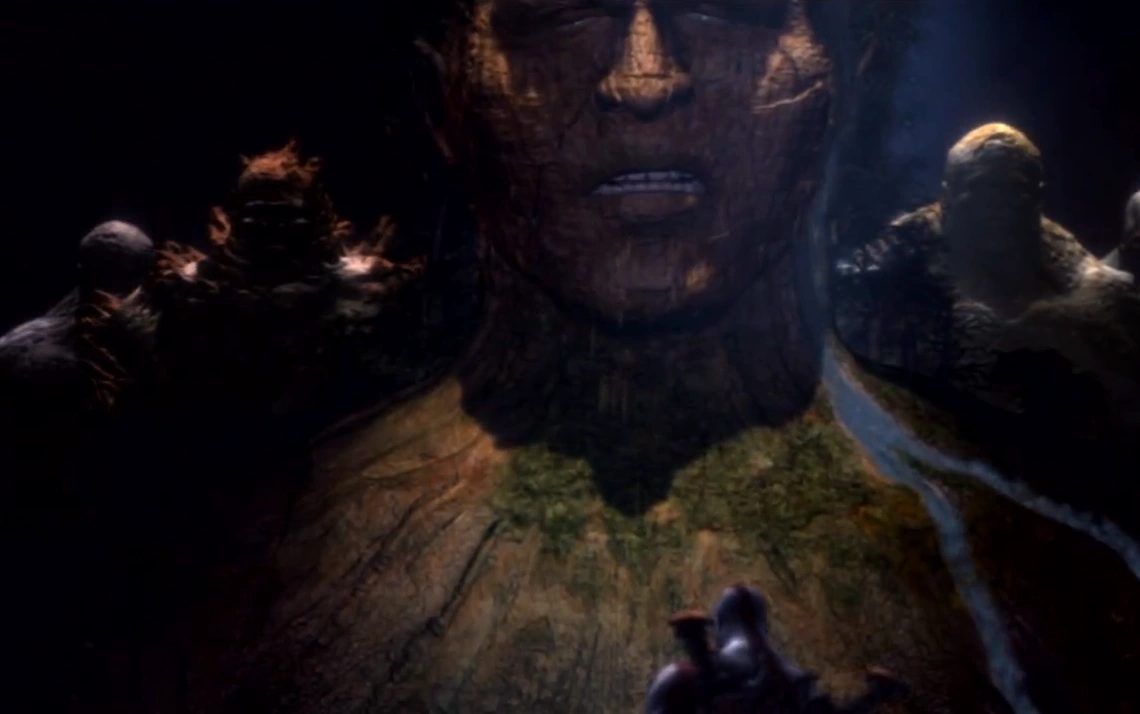
Gaia showed Kratos the only path: find the three Sisters of Fate on the Isle of Creation at the edge of the world, seize their Loom of Fate, travel back to the moment of betrayal and rewrite his destiny with his own hands. She gave him the winged horse Pegasus to fly to the isle. But on the mountain imprisoning the Titan Typhon, the storm monster raged at the intrusion and trapped Pegasus beneath its icy hand. In the mountain's caves, Kratos met Prometheus — the Titan who gave fire to mankind, chained by Zeus in mortal form and tortured every day. Prometheus begged for release. Kratos stole Typhon's magical bow, blinded the monster to escape, then used the bow to free Prometheus: the Titan threw himself into the Flames of Olympus and vanished in peace, leaving Kratos the power of the Rage of the Titans. On the final leg of the flight, Kratos battled the Dark Rider on his griffin; Pegasus died in that battle, and Kratos plunged straight down onto the isle of the Sisters.
Chapter 4: The Isle of Creation — Theseus, the Steeds of Time and the Bog of the Forgotten
The Isle of Creation is where all life began, and also the fortress of the three Sisters of Fate. Its gateway was guarded by Theseus, the legendary hero of Athens, now serving the Sisters as their Horse Keeper. Theseus had also come to the isle to beg for a change to his own fate, and he had no intention of letting anyone pass. Kratos killed him, took the Horse Keeper's Key and woke the four colossal stone Steeds of Time — a gift Cronos once offered the Sisters, hoping to rewrite his own destiny. The steeds' chains pulled the isle closer to the temple, opening the way deeper inside.
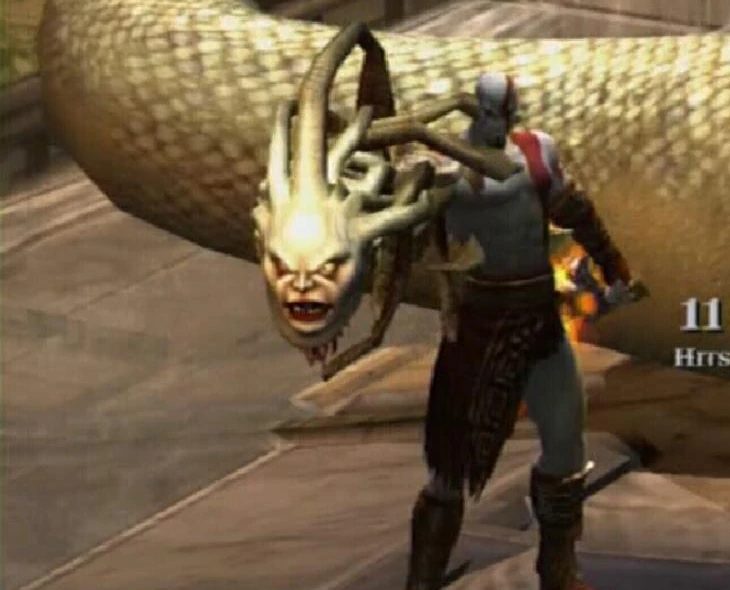
The isle was a graveyard of fate-seekers. Kratos faced Alrik, the Barbarian King — the man he had beheaded in the opening battle of the first game — returned from the dead to undo his own destiny; he fell a second time, and his Barbarian Hammer changed hands. In the Bog of the Forgotten, Kratos claimed the Golden Fleece, able to deflect any attack. And in the bog's flooded temple, he faced Euryale — the giant Gorgon, sister of Medusa — beheaded her and turned her head into a weapon of stone.
Chapter 5: Perseus, Icarus and Atlas Who Holds Up the World
The closer Kratos came to the temple, the more pitiful the fate-seekers became. In an ancient flooded bathhouse, Kratos met Perseus — the hero who slew Medusa in myth, and also a son of Zeus, making him Kratos's half-brother. Perseus had come to the isle with a single wish: to beg the Sisters to resurrect his dead lover, Andromeda. Driven mad by waiting, he mistook Kratos for the final trial the Sisters had sent him. With his helm of invisibility and reflecting shield, he was a troublesome opponent — but no one stands between Kratos and his vengeance and survives.
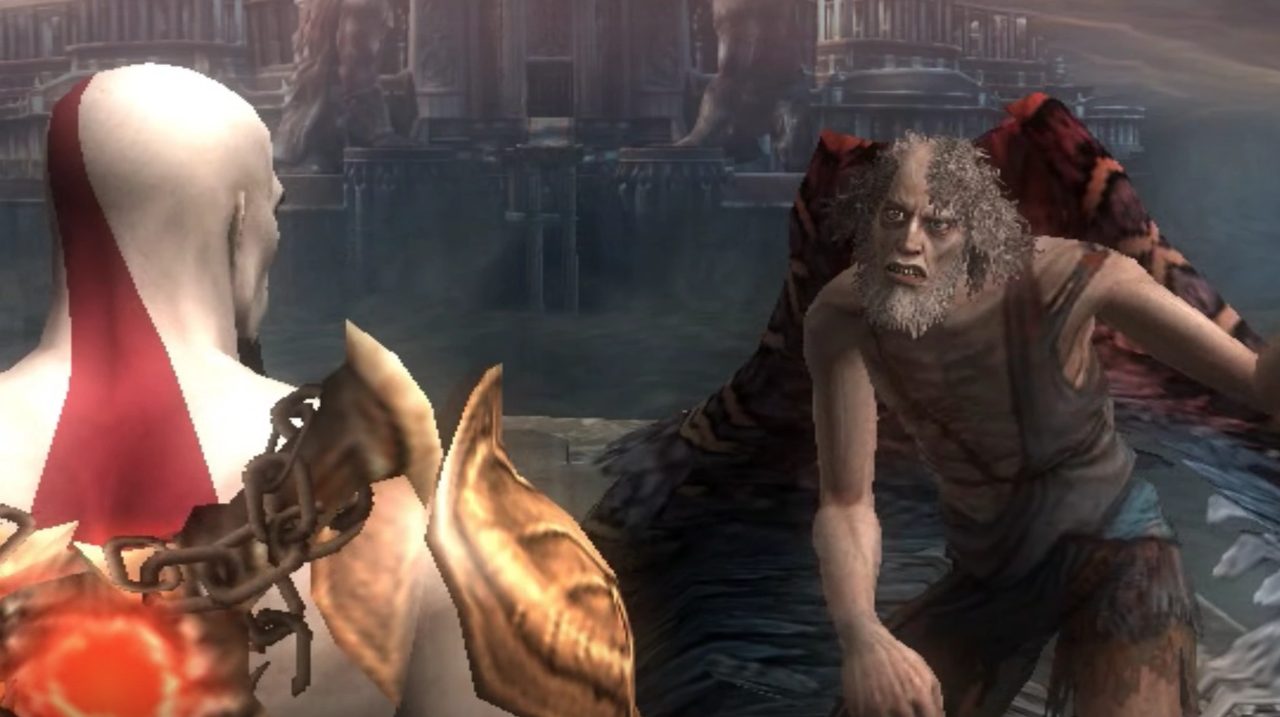
At the Great Chasm that split the isle, Kratos met Icarus: a gaunt old man, utterly insane. In myth, Icarus flew too close to the sun on the wax wings of his father, Daedalus, and fell into the sea and died. In the world of God of War, he fell into the Underworld, was tortured into madness, and spent decades stitching his half-burned wings into the flesh of his back to escape. Now he believed the Sisters would receive him alone across the chasm. When Kratos declared he would use Icarus's own wings to cross, Icarus seized him and both plummeted to the bottom of Tartarus. Mid-fall, Kratos tore the wings from Icarus's back, leaving him to drop back into the Underworld one last time — and landed on the shoulder of Atlas, the Titan condemned to hold the earth upon his shoulders. Atlas hated Kratos, for Kratos had chained him atop the Pillar in Chains of Olympus. But hearing that Kratos was now Zeus's enemy, the Titan relented: he told Kratos of the Blade of Olympus's origin, granted him the Atlas Quake, and lifted him back to the surface.
Chapter 6: The Last Spartan, the Kraken and the Flight of the Phoenix
On the way into the Palace of the Fates, Kratos was attacked by a stranger in the darkness. The two fought fiercely before Kratos threw his opponent through a window — and recognized his most loyal Spartan soldier, the man he had ordered back to prepare the army at the start of the game. The soldier had come to the isle alone, hoping to beg the Sisters to undo a tragedy: while Kratos was away, Zeus had personally destroyed Sparta. With that, he died in his god's arms. Kratos now had nothing left to lose — no family, no army, no homeland. Only Zeus.
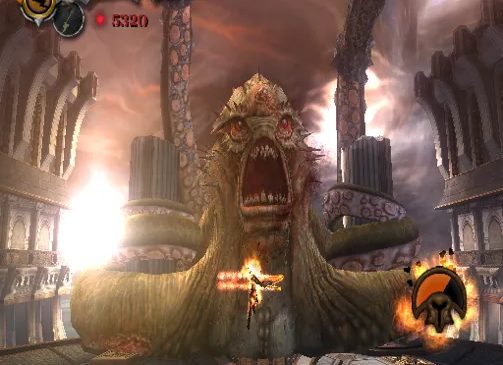
Immediately after, the waters beneath the isle churned: the Kraken, a colossal sea monster with tentacles like pillars, rose to block the way. Kratos's victory opened the Phoenix Chamber. He resurrected the Phoenix from its ashes and rode on its back, flying straight to the temple of the three Sisters of Fate — where the thread of his life waited to be rewritten.
Chapter 7: The Sisters of Fate and the Loom of Time
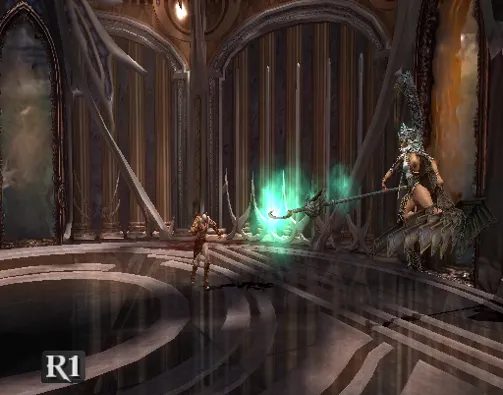
Lahkesis, the middle sister bearing a staff, was the first Fate to receive Kratos — with a refusal. The Sisters allow no one to touch their own thread, and Lahkesis held that being killed by Zeus was exactly the fate Kratos deserved. When Lahkesis began to lose, the eldest sister, Atropos, emerged from a mirror: she dragged Kratos through it, back into the past, to the final battle between Kratos and Ares in Athens. Atropos's plan was cruel and clever: destroy the Blade of the Gods — the sword-bridge that the Kratos of the past needed to kill Ares — and the Kratos of the present would be erased from the timeline. Kratos fought Atropos while protecting his own past. He won, returned to the present, trapped both sisters inside a mirror, shattered it and imprisoned them within forever.
The last sister, Clotho — the spinner of the thread, a colossal creature with countless arms — guarded the Loom of Fate in the temple's deepest chamber. Kratos pinned Clotho's hands to the floor and used the room's own bladed pendulum trap to pierce her head. Standing before the Loom, for the first time in his life, Kratos held his fate in his own hands. He followed his own thread back to Rhodes, to the moment Zeus raised the sword — and stepped out of the timeline directly behind the god who had murdered him.
Chapter 8: Athena, the Father and the Titans Climbing Olympus
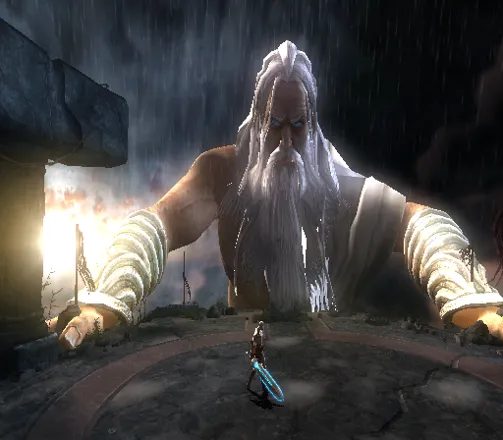
Zeus never expected the man he had killed to stand before him, godhood restored and holding the Blade of Olympus. The rematch on the Summit of Sacrifice was the series' fiercest battle to that point: Zeus grew to giant size and summoned lightning and storms, while Kratos fought back with everything he had seized on the Isle of Creation. When Zeus pressed him with a storm of lightning, Kratos feigned surrender — and when Zeus's guard dropped, he turned the attack back with the Golden Fleece, pinned the god's hands to the rock, and raised the Blade of Olympus to strike the chest of the one who had betrayed him.
That blow never reached Zeus. Athena appeared and threw herself into its path: the blade pierced the one goddess who had ever treated Kratos with kindness. Gravely wounded, Zeus fled to Olympus, while Athena died in the arms of her killer. With her last words, she revealed the truth all Olympus had hidden: Zeus acted out of fear of the cycle of sons killing fathers that had repeated for three generations — Ouranos overthrown by Cronos, Cronos overthrown by Zeus — and he was determined to break it by killing Kratos first. Because Kratos was Zeus's son. "All the gods will stand against you," Athena whispered, "for Zeus is Olympus." Kratos laid her down: "If all of Olympus stands against my vengeance, then all of Olympus will die."
Kratos returned to the Loom once more. This time he did not go back to Rhodes — he went back to the moment the Titans were about to lose the Great War of ancient times, when they stood at the peak of their power, and brought the entire Titan race forward through time to the present. The final scene of God of War II became legend: Zeus and the gods looked down in horror as Gaia and her army of Titans climbed the slopes of the sacred mountain, and on Gaia's back stood Kratos, sword in hand, roaring the line that opens the third game: "Zeus! Your son has returned! I bring the destruction of Olympus!"
The Fates of the Characters
Kratos: from deposed God of War to the man who declared war on all of Olympus — he ends the game with his godhood restored and an army of Titans behind him, ready for God of War III.
Zeus: won the game of treachery at Rhodes but lost the rematch, fled gravely wounded, and was forced to watch the Titans climb Olympus once again.
Athena: the only god who refused to move against Kratos, and the god who died protecting Zeus — the first death of an Olympian god in this war.
Gaia: achieved what she had waited thousands of years for: a weapon strong enough and angry enough to lead the Titans back to Olympus. But her alliance rests on a shared hatred — and as God of War III would show, it is far more fragile than it looks.
The Sisters of Fate: Lahkesis and Atropos imprisoned inside the shattered mirror, Clotho slain at the Loom. For the first time since the world began, the threads of destiny have no keeper.
The Last Spartan: died in his god's arms after bringing the news of Sparta — the final drop that turned Kratos's personal vengeance into total war.
Atlas: from the Titan Kratos chained to the Pillar to his ally — proof that the Titans were ready to stake everything on the Ghost of Sparta.
Common Misconceptions
Was the eagle that stole Kratos's power at Rhodes really Athena?
No. It was Zeus in disguise. Kratos assumed it was Athena because she was the only god he thought had reason to stop him — and that misunderstanding made him hate the wrong god for half his journey.
Zeus revealed the truth himself when he took his true form before the dying Kratos: Athena had refused to move against him, so Zeus was forced to do it in person. The god Kratos suspected most turned out to be the one who never betrayed him.
Did Zeus kill Kratos simply because he was too brutal and disobedient?
That was only the surface reason. The deeper motive was fear: Zeus believed that Kratos — his own son — would continue the cycle of sons killing fathers that had haunted his bloodline for three generations, and the prophecy of a "marked warrior" destroying Olympus turned that fear into obsession.
Zeus did not kill Kratos for what he had done, but for what he believed he would do. And that very act of prevention created exactly the destroyer Zeus feared.
Does God of War II take place right after the 2005 game?
Not exactly. It is the direct continuation of the main story, but in the game's timeline the events of Ghost of Sparta and the mobile game Betrayal fall between the two entries — the series wiki places the second game more than 13 years after the first.
That gap explains Kratos's state of mind at the start: he had buried both his mother and his brother Deimos, had served Olympus for over a decade, and the nightmares still would not release him.
Did all three Sisters of Fate really die at Kratos's hands?
Only Clotho is certainly dead, pierced through the head by the pendulum blade at the Loom. Lahkesis and Atropos are not: Kratos trapped them inside a mirror and shattered it — the game presents them as imprisoned forever, not confirmed dead.
This is a point fans still debate (speculation): if the two Sisters are merely imprisoned, in theory they could return. So far, however, the series has never brought them back.
How did Kratos regain his godly power after pouring it all into the sword?
Kratos's power did not vanish — it was locked inside the Blade of Olympus. When he seized the Loom and returned to the moment of his murder, he took the sword back from Zeus, and holding the sword again meant holding his own power again.
This also explains why Zeus had to kill Kratos at Rhodes itself: if Kratos survived and ever touched the sword again, the king of Olympus's entire scheme would collapse in an instant.
Theories & Mysteries
Was Gaia truly helping Kratos, or was he only a weapon? Everything Gaia said was true — but selectively true. She saved Kratos because the Titans needed someone strong enough to kill Zeus, and she never hid her intention to restore her own race. God of War III would answer this question brutally: forced to choose between Kratos and her own survival, Gaia did not hesitate. Looking back, the alliance on the Isle of Creation was a bargain between two parties who shared a hatred of Zeus — nothing more.
Why did Athena really take that blow? The game's explanation is that she protected Olympus, because "Zeus is Olympus". But many fans believe her motive ran deeper (speculation): she understood the father–son cycle better than anyone, and her death was a final attempt to stop Kratos from becoming a second Zeus. Her cold, spectral form in God of War III only deepens the mystery — was that truly her, or something else wearing her shape?
Has the prophecy of the "marked warrior" been fulfilled? Since Ghost of Sparta, players have known Olympus kidnapped the wrong brother, mistaking Deimos's birthmark for the "mark" of prophecy — while the true mark was Kratos's red tattoo and ash-white skin. But the prophecy did not fulfill itself: the very attempts to prevent it, from Deimos's kidnapping to the sword at Rhodes, step by step created the destroyer of Olympus.
The Legacy of God of War II
God of War II launched in March 2007, a few months after the PlayStation 3 had gone on sale — and Santa Monica Studio still chose to build it for the PlayStation 2, a machine with more than 100 million owners at the time. That decision made it one of the last and most glorious love letters of the PS2 era: four times as many boss fights as the first game. It won PlayStation Game of the Year at the 2007 Golden Joystick Awards, sold more than 4.24 million copies by 2012, and director Cory Barlog received a BAFTA award for the writing. But its greatest legacy lies in its final ten minutes: few games dare to end just as everything is about to explode — the Titans climbing Olympus, the line "your son has returned" ringing out, the screen cutting to black, and players left to wait three years for God of War III.
👤 Main characters
A quick introduction to the central characters of the story — portraits taken from the game itself. Click a portrait to view the full original portrait.
 🔍
- Title
- The Ghost of Sparta
- Weapons
- Blades of Athena; Blade of Olympus
- Identity
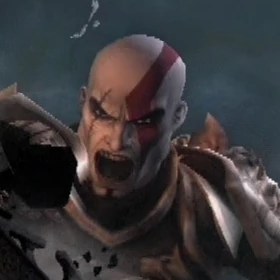
- God of War; son of Zeus
The former Spartan captain who became the God of War after killing Ares. Betrayed and murdered by Zeus, he returns from the dead with a single purpose: to make the king of the gods pay.
 🔍
- Title
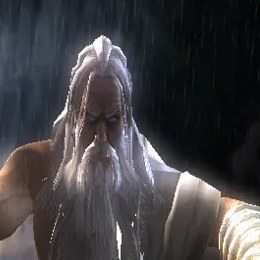
- King of Olympus, God of Thunder
- Weapon
- Blade of Olympus
- Greatest fear
- The cycle of sons killing fathers
The supreme god of Olympus. Fearing prophecy and the father–son cycle, he personally tricks and kills Kratos — and thereby ignites the very war that will destroy his kingdom.
 🔍
- Nature
- Primordial Titan, embodiment of the Earth
- Role
- Narrator of the Greek era
- Goal
- Revenge on Zeus; restore the Titans
Mother of the Titans and the one who raised the infant Zeus. After millennia of watching her kind suffer, she stakes everything on Kratos as her final weapon of vengeance.
 🔍
- Title
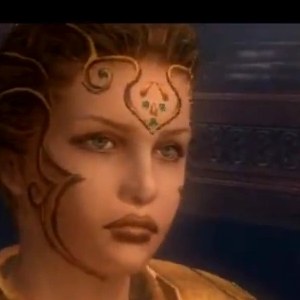
- Goddess of Wisdom and War
- Stance toward Kratos
- The only god who refused to move against him
- Fate
- Took the Blade of Olympus in Zeus's place
The god closest to Kratos on Olympus. She dies protecting Zeus and uses her final breath to reveal the greatest secret of his life: Kratos is the son of Zeus.
 🔍
- Members
- Lahkesis (measures), Atropos (cuts), Clotho (spins)
- Base
- Temple of the Fates, Isle of Creation
- Power
- The Loom of Fate — weaving and rewriting the threads of all life
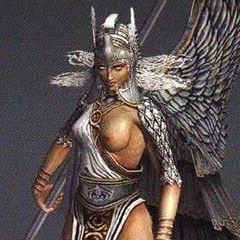
The three sisters who hold the threads of gods and mortals alike. They refuse to let Kratos rewrite his own fate — and pay the price: two imprisoned in a shattered mirror, one dead at the Loom.
 🔍
- Identity
- Son of the inventor Daedalus
- Trait
- Sewed his wings into his own back after decades in the Underworld
- Fate
- Wings torn off by Kratos; fell back into the Underworld
The boy of myth who flew too close to the sun. In the world of God of War, he survived the fall, went mad in the Underworld and waited for the Sisters until he lost all grip on reality.
 🔍
- Identity
- Son of Zeus, slayer of Medusa
- Equipment
- Helm of invisibility, reflecting shield
- Purpose
- To beg the Sisters to resurrect his lover Andromeda
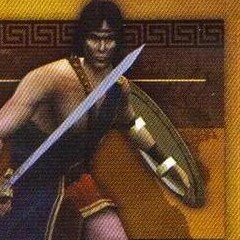
Another legendary hero of Greece, and Kratos's own half-brother. He came to the Isle of Creation only to ask for his lost love back — and died on the blade of his own brother.
📚 Read the God of War series in story order
- God of War: Ascension Story Explained: Six Months After the Tragedy and the Three Goddesses of Vengeance
- God of War: Chains of Olympus Story Explained: The Day the Sun Vanished and Kratos's Cruelest Choice
- God of War (2005) Story Explained: Ten Years of Nightmares and the Price of Killing a God
- God of War: Ghost of Sparta Story Explained: The Forgotten Brother and the Prophecy of the Marked Warrior
- God of War II Story Explained: The God Betrayed by His Father and the Titans' March on Olympus — you are reading this one
- God of War (2018) Story Explained: A Father and Son Scatter the Ashes — and the Name Loki


