Final Fantasy XVI Story Explained: The Flame of Rebellion and the Day Magic Vanished from Valisthea

📋 Quick facts
- Game
- Final Fantasy XVI
- Developer
- Square Enix — Creative Business Unit III
- Release year
- June 22, 2023
- Original platform
- PlayStation 5
- Genre
- Action RPG
- Director
- Hiroshi Takai
- Music
- Masayoshi Soken
- Notable feature
- The first mainline entry in the series to carry an 18+ rating, with fully real-time action combat and colossal Eikon battles; created by the Final Fantasy XIV team — produced by Naoki Yoshida, with the scenario written by Kazutoyo Maehiro
- Next entry
- Not yet announced — XVI is the newest mainline entry in the series; two expansions: Echoes of the Fallen (2023) and The Rising Tide (2024)
Valisthea is a world slowly dying by the very thing that sustains it. The twin continents of Storm and Ash survive on the aether flowing from five colossal Mothercrystals, and for hundreds of years mankind has built its religions, its kingdoms, and its wars around those crystals. But the land around the Mothercrystals is turning into "Blight" — dead earth where aether has run so dry that not even grass can grow, and the Blight spreads further with every passing year. In Valisthea, a rare few are born with the ability to use magic without a crystal: they are called Bearers, branded on the cheek, despised, and treated as tools until their bodies turn to stone from the overuse of magic. A step above Bearers stand the Dominants — the rarest of humans, vessels of the Eikons, gods of war in the forms of Phoenix, Ifrit, Shiva, Titan, Bahamut, or Odin. Every nation keeps a Dominant as its ultimate weapon, and the balance of power in Valisthea rests entirely in their hands.
Clive Rosfield should have been the luckiest man in that world order. He was the eldest son of the Archduke of Rosaria and the "First Shield" of his younger brother Joshua — Dominant of the Phoenix. But Clive was also the child the Phoenix "rejected": the flame chose Joshua, not him, and his own mother, Anabella, never forgave her eldest son for that "failure." In a single night at Phoenix Gate, Clive lost everything — his father, his brother, his homeland, and his freedom. Thirteen years later, he returned as a branded slave, believing that the fire demon named Ifrit — and his own weakness — had killed his brother that night. He never knew that Ifrit was himself, nor that behind the whole tragedy stood a "god" who had raised humanity like livestock for millennia, merely waiting for the day of harvest.
Note: this article reveals the entire story of Final Fantasy XVI, including the ending. Consider carefully before reading on.
📌 Quick summary: Valisthea lives on the aether of five Mothercrystals, but the Blight is spreading and those who bear magic are treated as tools. Clive Rosfield — elder brother of Joshua, Dominant of the Phoenix — lost everything on the night of Phoenix Gate and was branded a slave for thirteen years. His journey of vengeance gradually uncovers the truth about the Mothercrystals and about Ultima, the entity behind every tragedy in this world.
Chapter 1: The Grand Duchy of Rosaria and the Night of Phoenix Gate
Rosaria is a small grand duchy in the west of the continent of Storm, living in peace under the protection of the Mothercrystal Drake's Breath and of the Phoenix — the Eikon of fire that has guarded House Rosfield for generations. Archduke Elwin Rosfield was a kind and gentle ruler, and his two sons grew up in a love rare among Valisthea's nobility: Joshua, the frail younger brother who had been Dominant of the Phoenix since birth, and Clive, the strong, sword-gifted elder son, appointed First Shield — sworn to protect his brother with his life. Beside the two brothers was Jill Warrick, a young hostage brought from the Northern Territories as a "guarantee of peace," raised alongside them like a sister, and Torgal, the wolf pup Clive had found and raised. Those were the last peaceful years any of them would know.
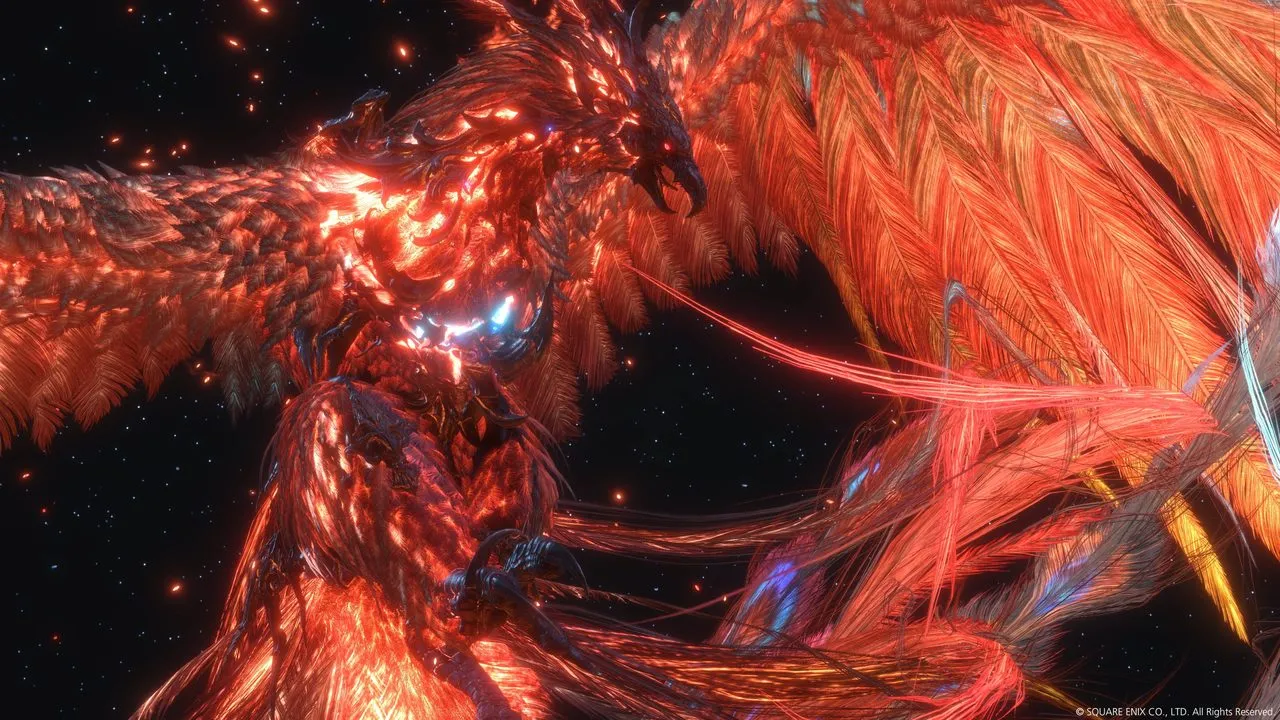
The calamity came from the Holy Empire of Sanbreque — the neighboring power that coveted Rosaria's land as the Blight began to gnaw at its own territory. While the Rosarian party was on pilgrimage to Phoenix Gate for the traditional rite, Imperial troops ambushed them in the night. But the fatal blade did not come from the enemy: Anabella — Elwin's wife, mother of Clive and Joshua — betrayed them all. She had never accepted that the Phoenix had passed over her eldest son; she despised Clive as a stain on the family line, and she was willing to sell the entire duchy to Sanbreque in exchange for a place in the new Imperial court. Elwin was beheaded before Joshua's eyes. The ten-year-old boy, in utmost agony and terror, primed fully into the Phoenix for the first time amid a sea of flame.
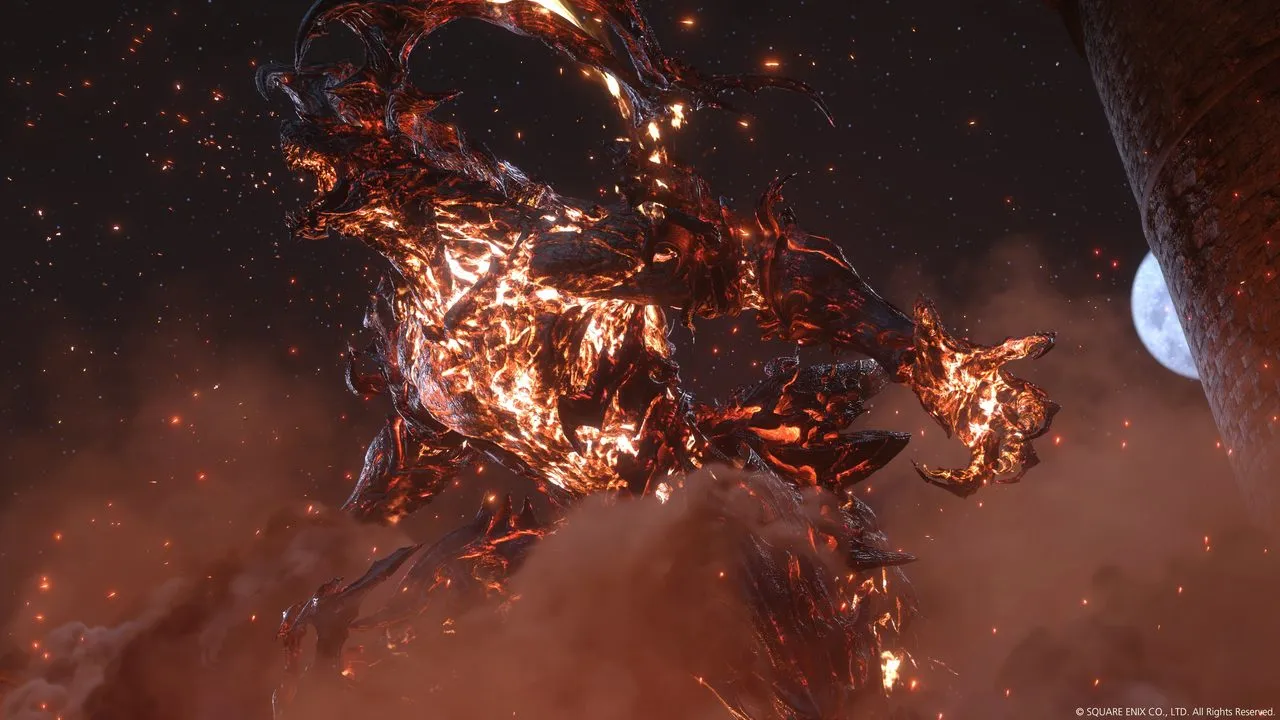
And then the unexplainable happened: a second Eikon of fire appeared. From the ashes of Phoenix Gate rose the giant fire demon that would later be called Ifrit, and it fell upon the Phoenix, tearing it apart. Two Eikons of the same element of fire — something without precedent in all of Valisthea's history. Clive, then only fifteen, could do nothing but scream helplessly as that "demon" trampled his little brother until the Phoenix's flame went out entirely. The next morning, Rosaria had fallen to the Empire, Joshua was presumed dead, and Clive was branded with a slave's mark upon his cheek and dragged into Sanbreque's army as a Bearer — a nameless tool of war, known only by the codename "Wyvern."
Chapter 2: Thirteen Years a Slave, and a Man Named Cid
Thirteen years as Wyvern wore Clive down into a shadow. He fought and killed on command, and lived believing his brother had died because he was too weak — because that night he had failed to protect Joshua from Ifrit. The obsession ran so deep that he did not even dare ask himself what Ifrit truly was. The turning point came on an assassination mission: Clive's unit was sent to eliminate the Dominant of Shiva amid a battle with the Kingdom of Waloed, but the entire squad was wiped out, and Clive fell into the hands of a bearded, foul-mouthed, middle-aged man who bore the Eikon Ramuh within him — Cidolfus Telamon, known to the world simply as Cid.
Cid ran the Hideaway — a secret community devoted to rescuing Bearers from slavery. There, for the first time, Clive saw people who bore the same brand as he did being treated for their marks, fed, given beds to sleep in, and granted the right to choose how to live — even the right to "die as free men." But what overturned Clive's worldview more than anything was the truth Cid showed him: the Mothercrystals are no blessing. It is they who endlessly drain aether from the earth, and that is the true cause of the spreading Blight. The more the nations depend on the crystals, the faster the world dies. To save Valisthea, every Mothercrystal must be destroyed — an idea every religion and court on the continent holds to be the most damnable heresy of all. Cid also told Clive, plainly, the thing he had avoided for thirteen years: the strange power of fire within him — the power he had always called the "Blessing of the Phoenix," borrowed from Joshua — was no simple borrowed gift. And in the darkness, a hooded figure began to watch Clive in silence, as if he had been waiting for him for thirteen years.
Chapter 3: The Fall of Garuda and the Death of Cid
Clive's first great mission under Cid brought him face to face with Benedikta Harman — Dominant of Garuda, the Kingdom of Waloed's notorious intelligence agent, and Cid's former comrade. At the fortress of Caer Norvent, Benedikta overwhelmed Clive's party entirely with Garuda's winds. In the moment between life and death, the power suppressed within Clive for thirteen years erupted: he primed fully into Ifrit — the fire demon of the night of Phoenix Gate. The truth he had fled for so long stood revealed in its true form: there was no other "demon." Ifrit was him. He himself, unconsciously, had torn the Phoenix apart — had killed Joshua.
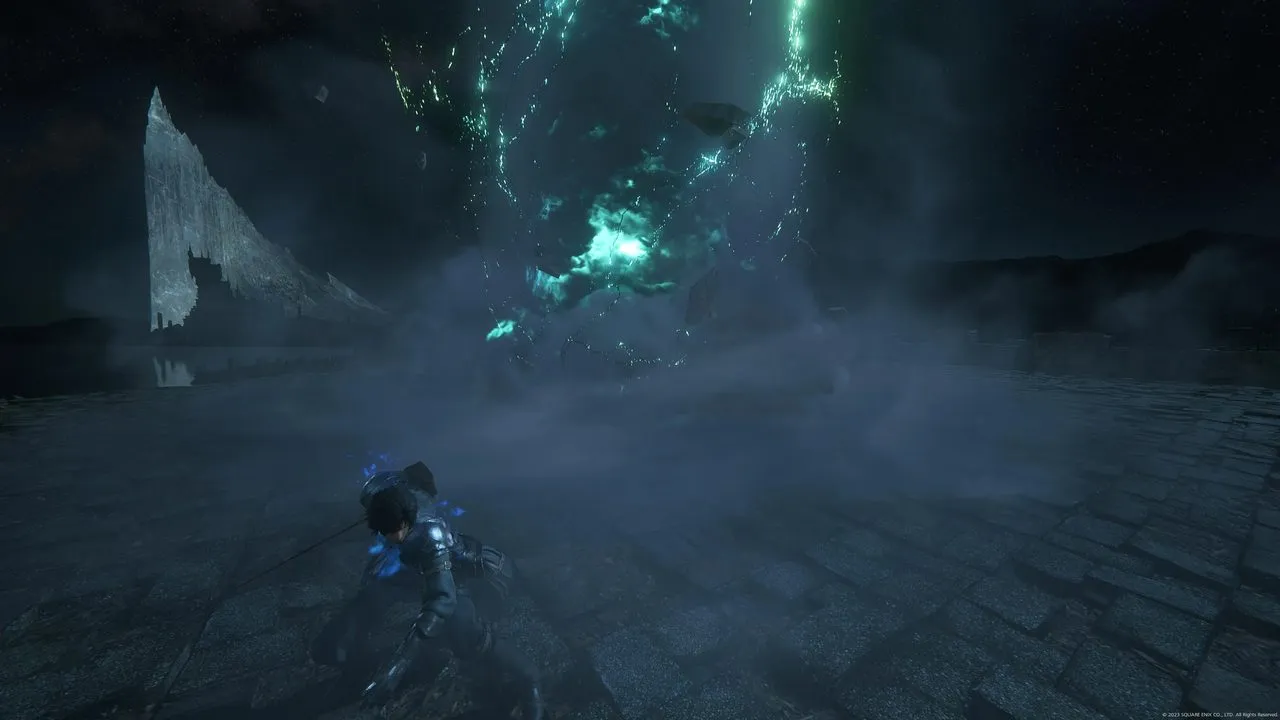
The battle ended with a phenomenon without precedent: Ifrit not only defeated Garuda, it tore the Eikon out of Benedikta, leaving her an ordinary, powerless human. Benedikta — the proud woman who had once stood at the very heights of power — fled in humiliation and was murdered on the road by soldiers of the Dhalmekian Republic. Her death, and her severed head sent back as an act of mockery, turned Hugo Kupka — Dominant of Titan, the man blindly in love with Benedikta — into a mad beast that knew only one word: revenge. As for Clive, he broke down before the truth about himself, and the one who lifted him back up was Cid: he told Clive that thirteen years ago, a fifteen-year-old boy could not have controlled a power that even the gods could not explain — and that instead of destroying himself, he should use that very power to break the cycle that had created it.
The campaign to destroy Drake's Head — Sanbreque's Mothercrystal in the capital of Oriflamme — was the Hideaway's first great gamble. Clive and Cid broke in successfully, the crystal shattered, and for the first time a strange voice echoed in Clive's mind, calling him "Mythos." But victory came at a steep price: Cid's body, already slowly turning to stone after years of abusing Ramuh's power and magic, could bear no more. The leader of the Hideaway died not long after the campaign, leaving his entire ideal in Clive's hands. From that day on, Clive Rosfield took up a new name: Cid — the second.
Chapter 4: Titan, Shiva, and the Next Mothercrystals
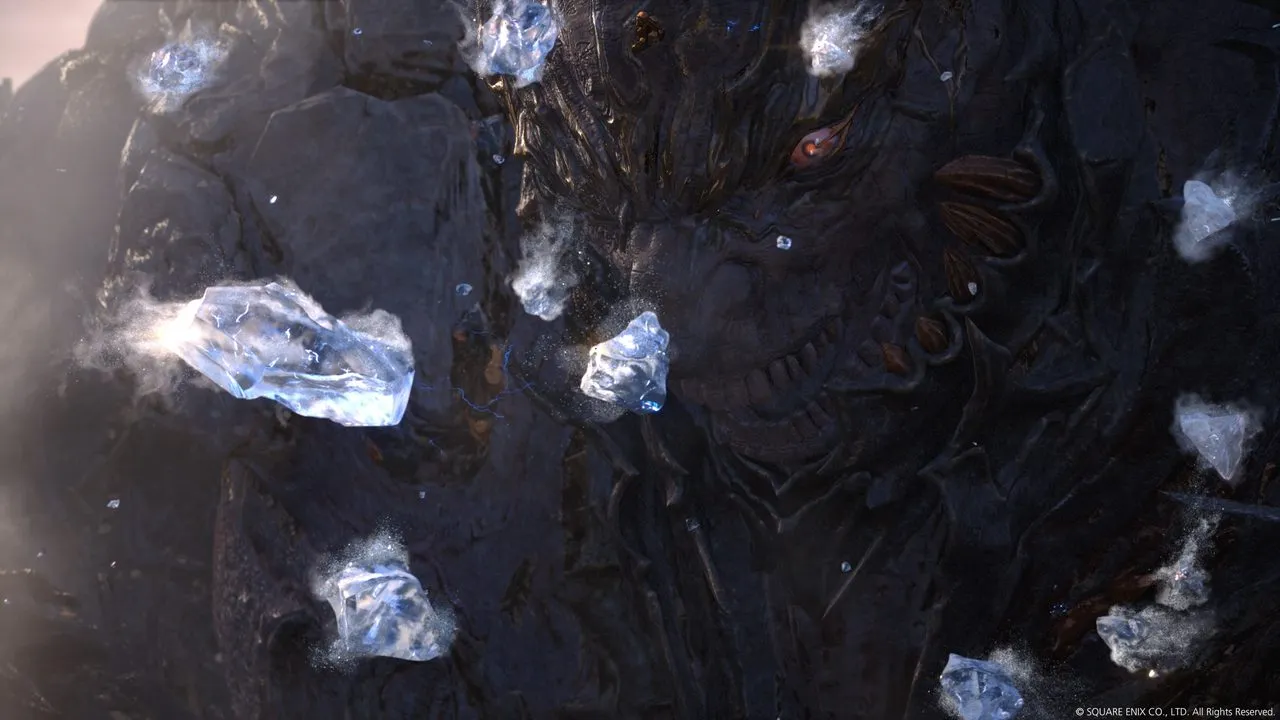
Under Clive's leadership, a new Hideaway was built and the movement to destroy the crystals spread. The next target was Drake's Fang — the Mothercrystal of the Dhalmekian Republic, and the home ground of Hugo Kupka. Hugo, who had lost Benedikta, believed "Cid" stood behind everything and nursed a resolve to tear his enemy to pieces. In the decisive battle at Drake's Fang, he swallowed both his pride and his reason, priming fully into Titan — a colossal Eikon of earth, tall as a mountain. Clive, who had by then gathered the powers of the Phoenix, Garuda, and Ramuh, faced that monster within the crystal cavern and emerged victorious: Drake's Fang collapsed, and Hugo Kupka died together with his unspoken love and his aimless wrath.
In parallel with the Dhalmekian front, Clive and Jill returned to the Iron Kingdom — the island of fanatics who worship the Mothercrystal Drake's Breath, the kingdom that had imprisoned Jill for years and forced her to prime into Shiva and go to war as a weapon. The Jill of those years had been made to slaughter countless people, including in the battle where she nearly took Clive's life. This time, she came back no prisoner: she confronted Patriarch Imreann, the man who had tormented and manipulated her since she was a child, and ended her own nightmare with her own hands. Drake's Breath was destroyed. More important still, Jill chose to stay at Clive's side not out of a debt of gratitude, nor because she had nowhere else to go, but because for the first time in her life she was free to decide what she would live for. The feelings between the two childhood friends, torn apart by war for thirteen years, also began to find their voice from that day on.
Chapter 5: Bahamut and the Fall of Twinside
While Clive destroyed crystal after crystal, the Holy Empire of Sanbreque rotted from within. Emperor Sylvestre died; the throne fell to Olivier — Anabella's son — a boy who was nothing but a puppet, for his soul had long been seized by Ultima. The only one who saw through the wrongness was Dion Lesage, prince of the Empire, Dominant of Bahamut, the dragoon captain revered across Sanbreque as a hero. When Dion confronted his family, the truth was exposed in the bloodiest way imaginable: he slew Olivier upon the throne itself, Anabella died in the chaos her own ambition had sown, and Ultima — appearing in his true form before mortal eyes for the first time — answered by turning Dion Akashic: a Dominant stripped of all reason, left with nothing but the instinct to destroy.
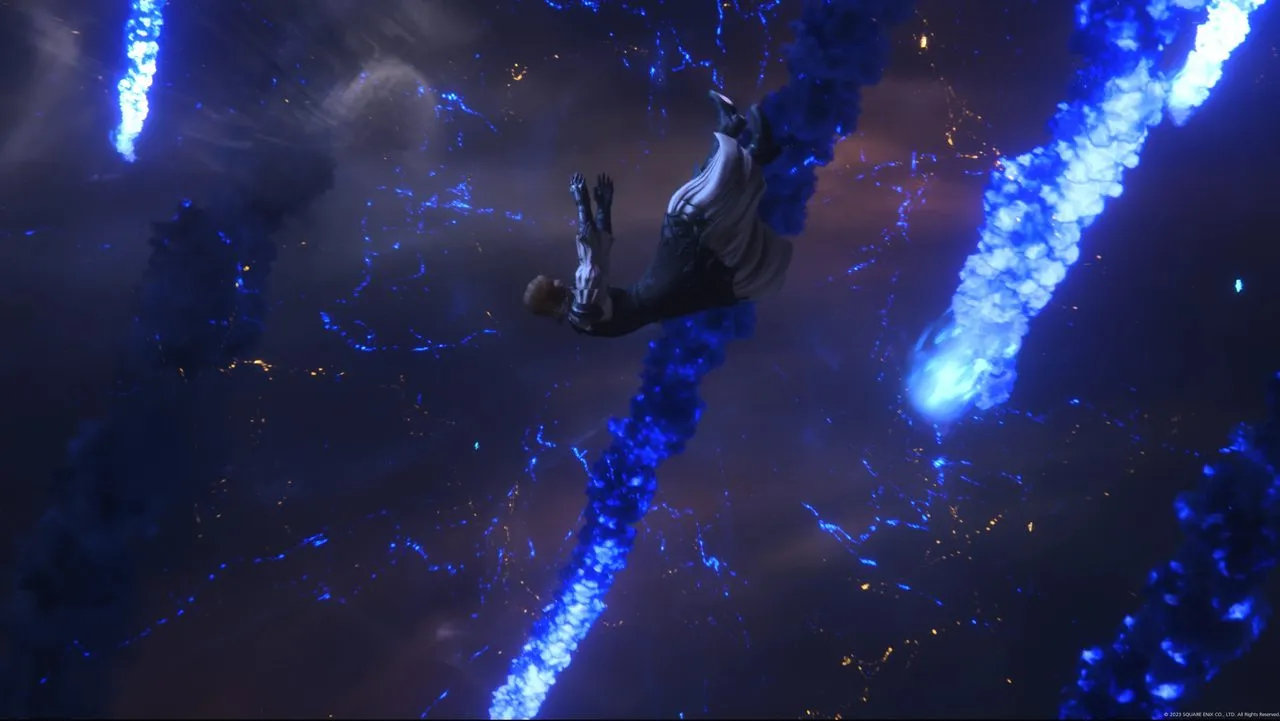
The maddened Bahamut poured a rain of destruction down upon Twinside — capital of the Crystalline Dominion, the neutral heart of Valisthea. And it was here that the secret kept for thirteen years stepped into the light: Joshua was alive. On that night at Phoenix Gate, the secret order known as the Undying had rescued the Phoenix boy from the ashes and sheltered him for years, while Joshua quietly investigated Ultima — even sealing a fragment of the entity within his own body in order to keep watch on him. The Rosfield brothers, for the first time in thirteen years, fought side by side: Phoenix and Ifrit fused into a single entity of flame, soaring into the high heavens to confront Bahamut in a battle regarded as among the most spectacular in the entire series. Dion was defeated, falling from the sky into the ruins of Twinside, and died after regaining his senses — redeeming, in part, the sins he had committed in a madness that was never truly his own. In the skies above Valisthea, Ultima performed the rite of Primogenesis: a colossal black crystal structure named Origin rose up among the clouds — the "ark" he had prepared for millennia was ready to set sail.
Chapter 6: Waloed — A Kingdom of Ashes and the King Who Knelt Before a God
The continent of Ash, homeland of the Kingdom of Waloed, had by then become almost entirely Blight: its people had either turned Akashic or lived on in misery under Barnabas Tharmr — Dominant of Odin, the king who had conquered an entire continent with his black blade. Barnabas was the most dangerous of all the Dominants not because of his strength, but because he served Ultima clear-eyed, with a faith that was utterly complete. Barnabas's youth was bound up with his devout mother and the pain of losing her in war; from that, he reached the conclusion that mankind's free will itself is the source of all suffering, and that a world without will — where every soul merges as one beneath Ultima — is the true paradise. He was ready to offer up his entire kingdom, his subjects, and himself to that god.
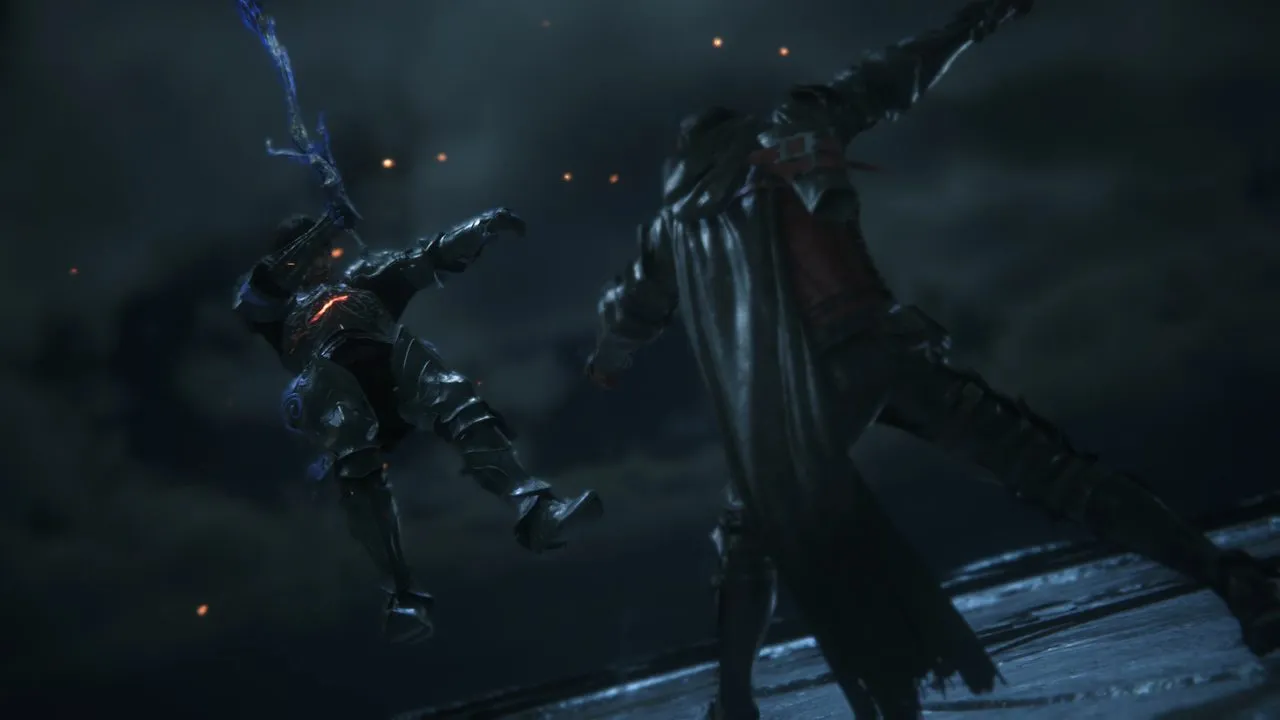
The battle between Clive and Barnabas, from the surging sea to the very throne of Waloed, was a clash of two opposing faiths: a man who would free humanity from the gods, and a man who would free humanity from itself. Barnabas was defeated. But before he vanished, he left Clive with the most chilling truth of all: Ultima does not need worshippers — he needs a vessel. For millennia, he had waited for a human strong enough to contain the whole of his power without breaking apart: a "Mythos." And Clive — who can absorb the Eikons of others, who carries an entire pantheon of gods within him — was that perfect vessel. At the same time, Drake's Spine, Waloed's last Mothercrystal, was destroyed. Across all of Valisthea, only Origin remained, hanging in the high sky — and one single crystal not yet touched: Drake's Tail in ruined Twinside, the target Ultima had deliberately left standing as one final trap.
Chapter 7: Origin — The Final Battle and a Dawn Without Magic
The complete truth about Ultima was finally laid bare. He is no creator god in the sense mankind has worshipped: he is a creature of an ancient race that once flourished, then destroyed its own world with magic, and was forced to cross the void in search of new lands. The humanity of Valisthea was created — or shaped — by him for two purposes only: to serve as potential vessels, and to harvest aether. The five Mothercrystals are "pumps" he drove into the earth, accumulating aether over thousands of years to charge an ultimate spell named Raise — a magic to resurrect an entire race. Now that the aether was full, all he still lacked was a perfect body to house his power when he cast Raise. Every tragedy of Valisthea — the Blight, the enslavement of the Bearers, the wars between the kingdoms — in Ultima's eyes was merely a small ripple on the surface of a plan greater than millennia.
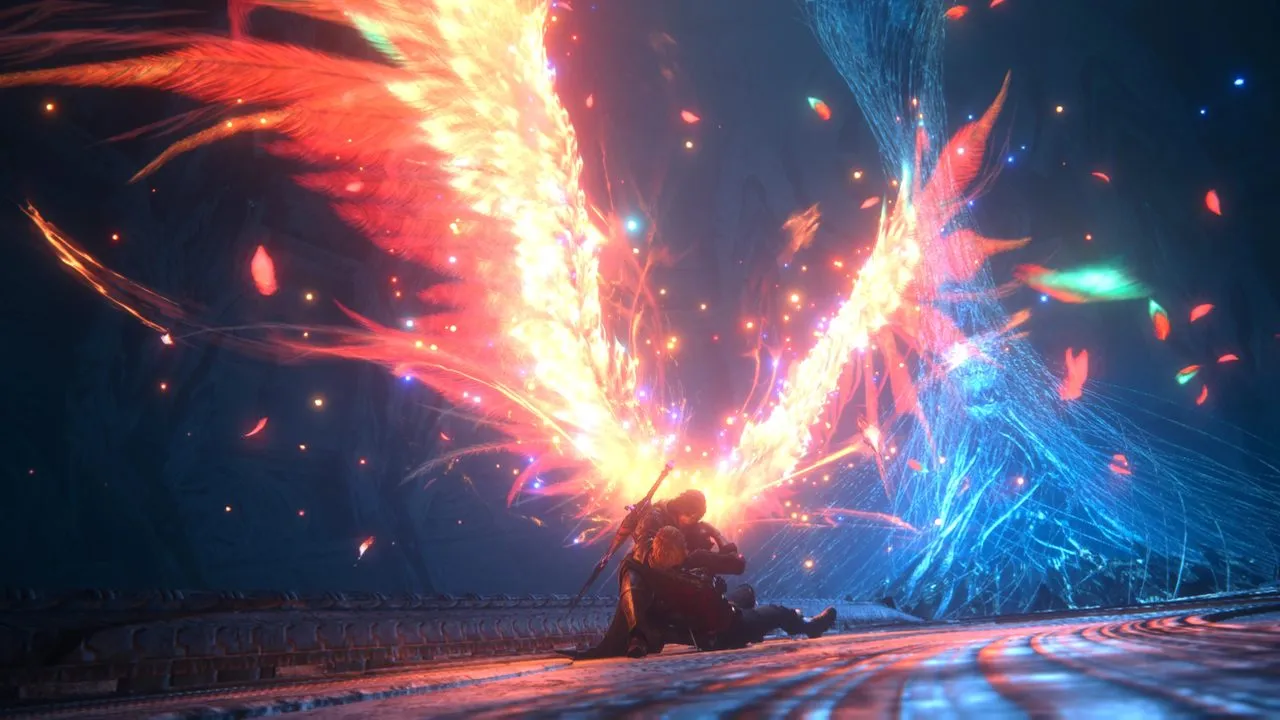
The all-out assault on Origin was the effort of every human still standing in Valisthea: the Hideaway, allies from every kingdom, and Jill — who had entrusted her Eikon Shiva to Clive before he set out, choosing to remain behind and believe that he would return. Inside Origin, the two brothers faced Ultima. Joshua, his body already ruined after years of sealing a fragment of Ultima within his chest, fell in the battle — and in his final moment, he did the thing he could not do thirteen years ago at Phoenix Gate: he gave the whole of the Phoenix's flame to his brother, then closed his eyes in Clive's arms. This time, Clive was not helpless. Carrying every Eikon he had gathered, carrying his brother's Phoenix and his promise to all who had fallen, he confronted Ultima in his ultimate form and won — not as Ultima's obedient Mythos, but as a free man refusing to be a vessel for any god.
Origin collapsed. Ultima vanished together with all of his magic: from that moment on, magic departed Valisthea forever — no more Mothercrystals, no more Eikons, not even the curse of petrification. The ending of Final Fantasy XVI deliberately refuses to give the player a complete answer: Clive, exhausted, washes ashore on a distant beach; his hand begins to turn to stone as he reaches toward Metia — the star the two brothers used to wish upon in their childhood; and Jill, standing on the deck of a ship in the first dawn of the age without magic, bursts into tears as she looks up at the sky. The game does not say whether Clive lives or dies. But in the postlude, generations later, two children in a peaceful Valisthea read to each other from an old book titled "Final Fantasy" — a chronicle of the age of gods and Eikons, written by a man named Joshua Rosfield. Magic had become a fairy tale. And that, perhaps, is the most complete victory Clive traded his entire life to win: a world in which mankind no longer needs gods.
The Fates of the Characters
Clive Rosfield survives the collapse of Origin and washes ashore, but his hand begins to turn to stone — his final fate is deliberately left open by the game. Joshua Rosfield sacrifices himself inside Origin after bestowing the Phoenix upon his brother; yet the chronicle "Final Fantasy" in the postlude names him as its author, making his fate the greatest question mark in the community. Jill Warrick survives, witnessing the first dawn of the age without magic. Dion Lesage dies at Twinside after atoning for his sins. Hugo Kupka and Benedikta Harman both perish in the vortex of hatred between Dominants. Barnabas Tharmr vanishes together with his faith at Waloed. Cidolfus Telamon dies after the Drake's Head campaign, but his ideal and his name live on through Clive. Anabella Rosfield dies at Twinside, in the very game of power she had betrayed her family to pursue.
Common Misconceptions
Did Clive really kill his own brother?
Only half true: Ifrit truly is Clive, but the fifteen-year-old boy of that night had absolutely no awareness of, or control over, that first priming — and those who truly staged the tragedy of Phoenix Gate were Sanbreque, Anabella, and the hand of Ultima.
Is Ultima an omnipotent god?
No — he is a dying creature of a race on the verge of extinction: powerful yet desperate, and his entire plan exists only because he fears death. He raised mankind for millennia like livestock, merely waiting for the day of harvest to forge a perfect body in which to resurrect his kind.
Are the Mothercrystals a blessing that protects Valisthea?
The complete opposite: they are the root cause of the spreading Blight, for they drain the planet's aether to serve Ultima. The thing mankind worshipped as a blessing for hundreds of years is in truth killing the world, day by day.
Did Joshua die at the very beginning of the game?
No. He was saved by the Undying and operated in secret for thirteen years — the hooded figure following Clive through the first half of the game is him, together with the Undying quietly investigating Ultima from the shadows all that time.
Is Final Fantasy XVI still Final Fantasy now that turn-based combat is gone?
Yes. The combat system has changed, but the mythological framework — Crystals, summoned Eikons, mankind's rebellion against gods and fate — is the purest Final Fantasy essence since the very first entries. That is the series' true DNA from the NES era; the combat is merely the outer shell, which changes with each period.
Community Theories & Debates
The greatest mystery is Clive's fate: the detail of his hand turning to stone and Jill's tears lead many to believe he died, but there is also the view that if Clive had died, the petrification curse — which belongs to Ultima's magic — should have vanished along with him, and that the scene merely shows his utter exhaustion. Directly related is Joshua's book: if Joshua died inside Origin, who wrote the chronicle that bears his name? The community splits into two camps — one believes Joshua actually survived (the Undying had saved him once before), the other argues that Clive wrote it and put his brother's name on it as an act of remembrance. Another question mark is Leviathan — the Eikon of Water, entirely absent from the base game even though every other element is present; the expansion The Rising Tide later explained that Leviathan was sealed away in Mysidia for being too dangerous, even for Ultima. Finally, the origins of Ultima and the ruins of the Fallen — the high-technology ruins scattered all over Valisthea, traces of a civilization that once flew into the sky and then fell — remain the lore the community digs into most deeply, for they suggest that before Ultima's mankind, Valisthea had already witnessed at least one other cycle of creation and destruction.
👤 Main characters
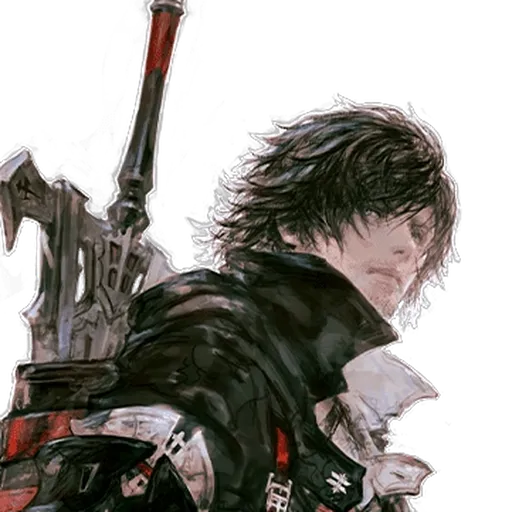
A quick introduction to the central characters of the story — portraits taken from the game itself.
- Background
- Eldest son of Archduke Elwin of the Grand Duchy of Rosaria
- Title
- Joshua's First Shield — later inherited the name “Cid”
- Power
- Absorbs and wields the powers of many Eikons
Passed over by the Phoenix as a child, branded a slave after the night of Phoenix Gate, and carrying the blame for his brother's death for thirteen years — until he realized that the demon Ifrit of that night was himself, and turned that power into the flame that broke the chains of all Valisthea.
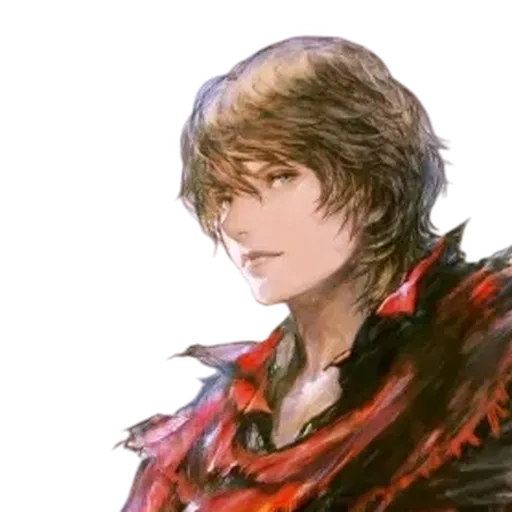
- Eikon
- Phoenix — fire and rebirth
- Organization
- Saved by the Undying and sheltered by them for thirteen years
- Sacrifice
- Bestowed the Phoenix upon Clive inside Origin
The frail little brother Clive swore to protect with his life. Miraculously surviving the night of Phoenix Gate, Joshua spent thirteen years in the shadows investigating Ultima, only to return and stand at his brother's side in the final battle.
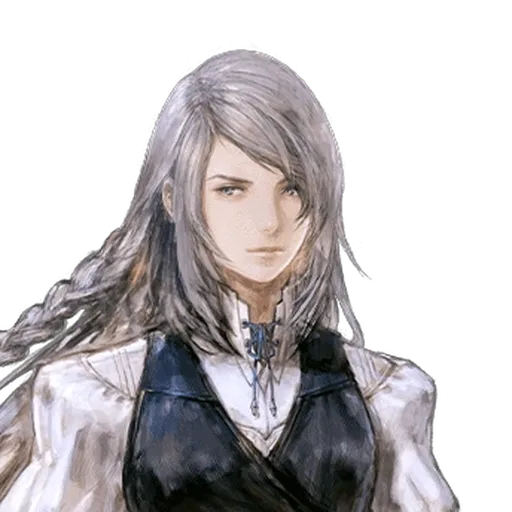
- Background
- A hostage from the Northern Territories, raised at Rosalith
- Eikon
- Shiva — ice
- Past
- Imprisoned by the Iron Kingdom, forced to prime and fight for many years
The girl who grew up with the Rosfield brothers, turned into a living weapon by the Iron Kingdom. Jill's journey is one of reclaiming the right to choose for herself: ending her enslaved past with her own hands, and choosing to stay by Clive's side out of her own heart.
- Eikon
- Ramuh — lightning
- Identity
- Former commander of Waloed, Benedikta's old comrade
- Ideal
- Destroy the Mothercrystals and free the Bearers from the yoke of slavery
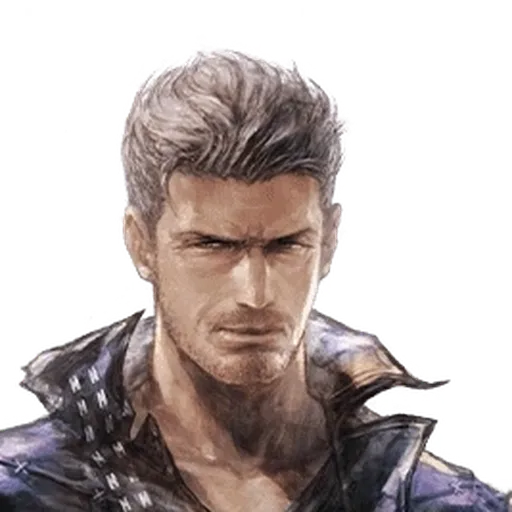
The defiant man who saw through the truth all of Valisthea dared not look at: the Mothercrystals are the very source of the Blight. He died after the Drake's Head campaign, but his ideal — and the name “Cid” — lived on through Clive.
- Eikon
- Garuda — wind and storms
- Identity
- King Barnabas's right hand, Cid's old comrade
- Fate
- Had her Eikon taken by Clive at Caer Norvent
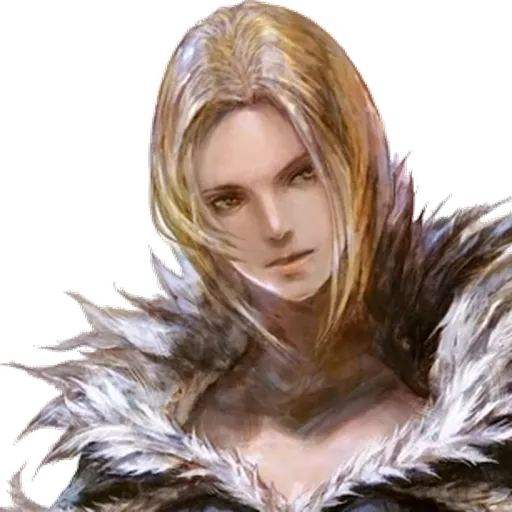
The proud woman who climbed from slavery to the very summit of power. When Garuda — the one thing that defined her worth — was taken from her, Benedikta collapsed completely, and her death lit the fuse of Hugo Kupka's wrath.
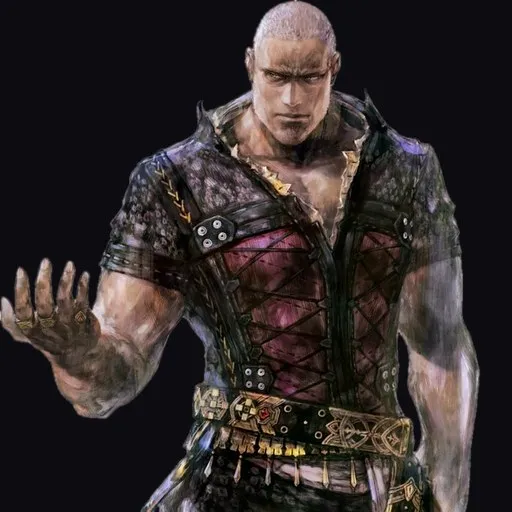
- Eikon
- Titan
- Position
- Economic councillor of the Dhalmekian Republic
- Grudge
- Lost Benedikta; swore to kill Cid and Clive
Economic councillor of the Dhalmekian Republic and Dominant of Titan, a man who loved Benedikta to the point of blindness. When his beloved's severed head was delivered to him in a box, Hugo went mad, led his army to raze Rosalith in revenge against Clive — and ended his life in the colossal form of Titan Lost at Drake's Fang.
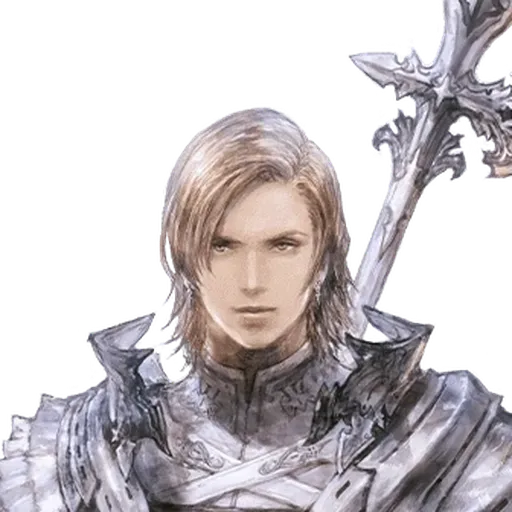
- Eikon
- Bahamut — king of dragons
- Identity
- Prince, captain of the dragoons, hero of Sanbreque
- Tragedy
- Turned Akashic by Ultima, he laid waste to Twinside
The perfect prince in the eyes of his subjects: noble, upright, and mighty. Precisely because he trusted his family so completely, Dion became Ultima's most tragic pawn — and could only atone for his sins with his own life in the skies above Twinside.
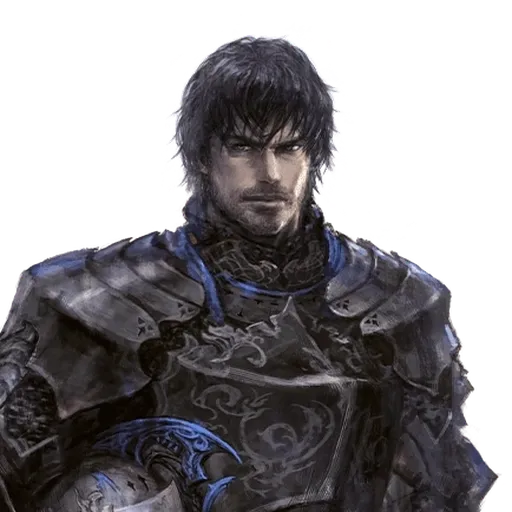
- Eikon
- Odin — darkness and the blade Zantetsuken
- Identity
- The king who conquered the entire continent of Ash
- Creed
- Free will is the root of all suffering — he serves Ultima
Clive's most terrifying enemy not because of Odin's power, but because of his absolute faith: after the pain of losing his mother, Barnabas believed mankind can only be happy once it gives up its own will. He offered his entire kingdom to Ultima in exchange for a paradise without suffering.
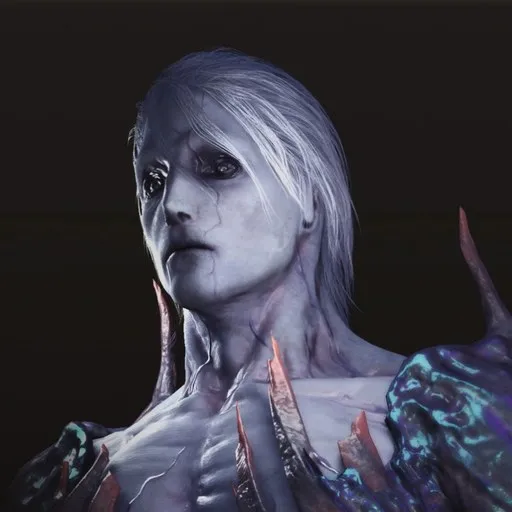
- Nature
- An ancient creature from a world that died
- Purpose
- To reclaim his divinity through the vessel “Mythos”
- Plan
- To resurrect his race through the spell Origin
The divine creature who created the mankind of Valisthea as his pawns, and raised Clive his whole life under the designation “Mythos” — a vessel forged in advance to contain the whole of Ultima's power. Every tragedy of Valisthea, from the Mothercrystals to the wars of the Dominants, lay within Ultima's plan to resurrect his race.
📚 Read the Final Fantasy series in story order
- Final Fantasy IV Story Explained: The Dark Knight Cecil's Journey of Redemption
- Final Fantasy VI Story Explained: The Madman Who Destroyed the World and a Symphony of Hope
- Final Fantasy VII Story Explained: The Mercenary and the Memories That Were Never His
- Final Fantasy VIII Story Explained: The Sorceress's Time Loop and the Promise at the Flower Field
- Final Fantasy IX Story Explained: Home Is Where Someone Is Waiting for You
- Final Fantasy X Story Explained: The Thousand-Year Dream and the Price of Truth
- Final Fantasy XII Story Explained: The Gods' Chess Game and the Princess Who Dared to Say No
- Final Fantasy XV Story Explained: Ten Years in the Crystal and the Price of the Dawn
- Final Fantasy XVI Story Explained: The Flame of Rebellion and the Day Magic Vanished from Valisthea — you are reading this one


