Final Fantasy XIII Story Explained: The Floating Paradise, the Brand of Death, and the Plot to Summon the Maker

📋 Quick facts
- Game
- Final Fantasy XIII
- Developer
- Square Enix (1st Production Department)
- Release year
- 2009 — December 17, 2009 in Japan
- Original platform
- PlayStation 3, Xbox 360
- Genre
- JRPG
- Director
- Motomu Toriyama (writers: Toriyama and Daisuke Watanabe; producer: Yoshinori Kitase)
- Music
- Masashi Hamauzu
- Notable feature
- Opening entry of the Fabula Nova Crystallis mythology and the first mainline Final Fantasy released across multiple platforms; famed for its Paradigm Shift battle system and its controversial linear structure
- Next entry
- Final Fantasy XIII-2 (2011)
Some Final Fantasy worlds are built around a giant crystal or on the back of a monster. Final Fantasy XIII (2009) builds its world on a perfect lie: an artificial paradise named Cocoon, floating in the sky like a second moon, where humanity lives in comfort under the care of machine gods — and believes the wild surface world below, Gran Pulse, is hell itself. Released in Japan on December 17, 2009 for the PlayStation 3, it was the series' first entry of the HD era, the opening chapter of the Fabula Nova Crystallis mythology, directed by Motomu Toriyama, produced by Yoshinori Kitase, with character designs by Tetsuya Nomura and music by Masashi Hamauzu. If Final Fantasy X told of a religion hiding a thousand-year-old truth, XIII pushes the idea further: here, even the gods are only machines waiting to die.
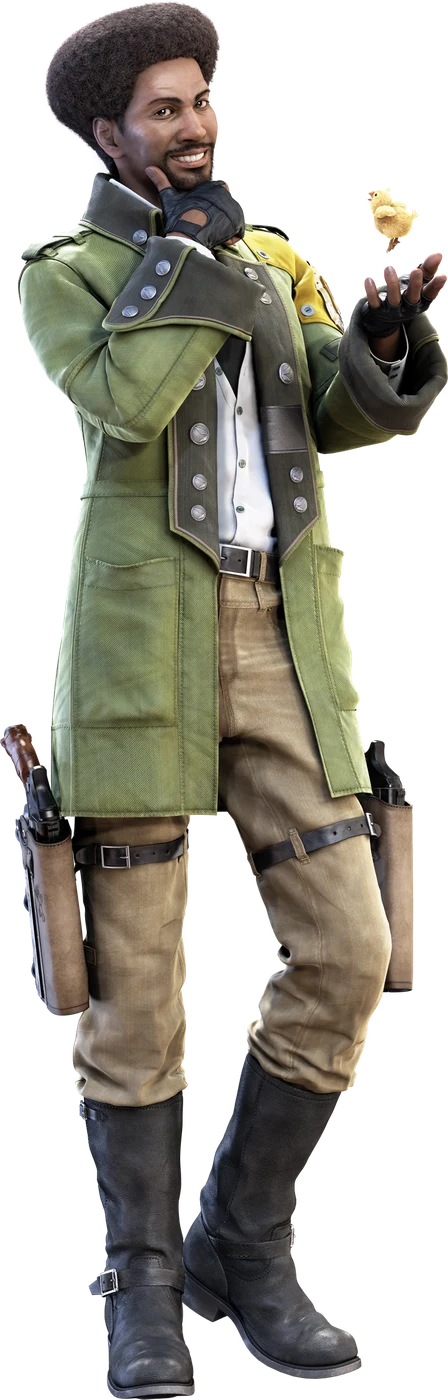
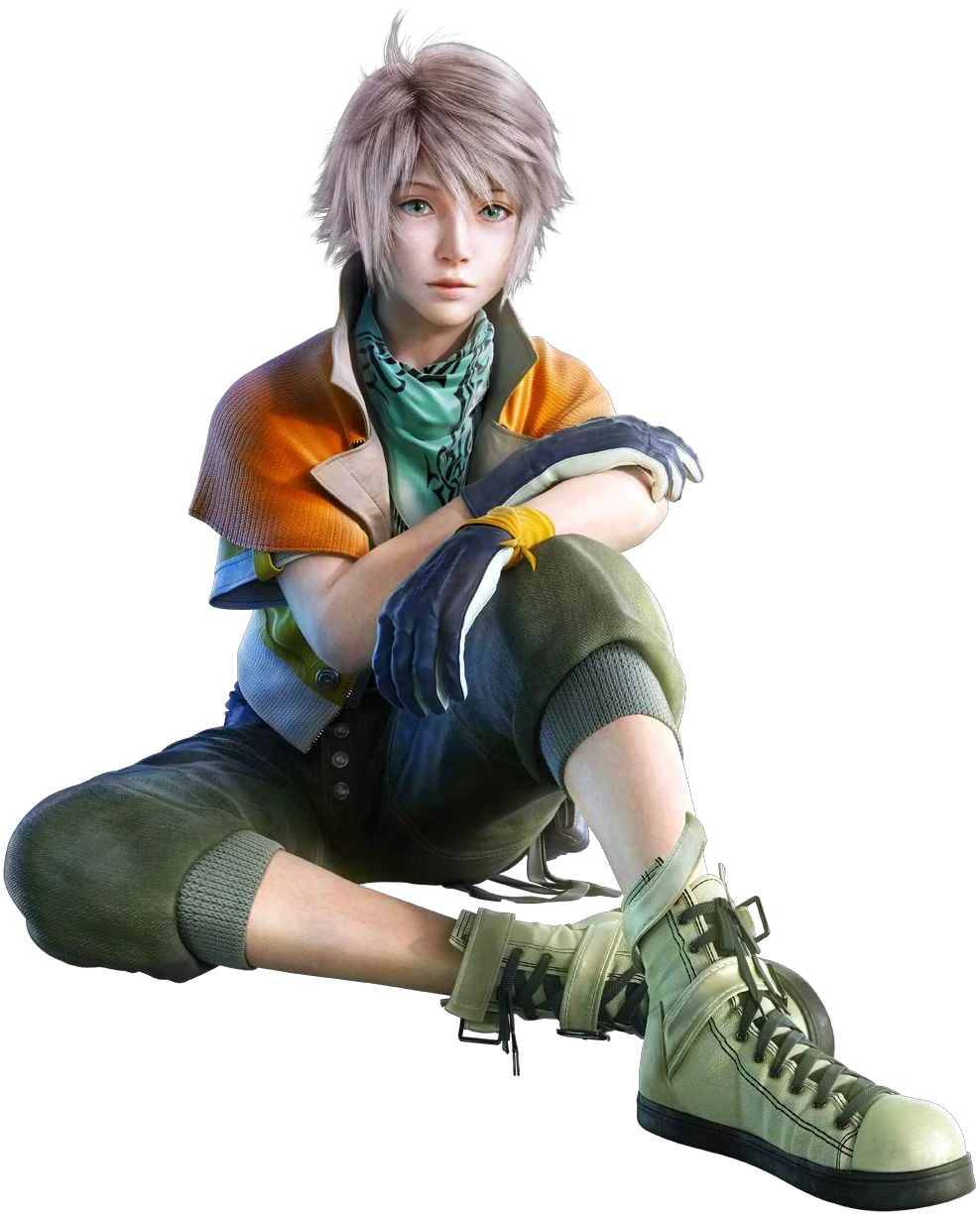
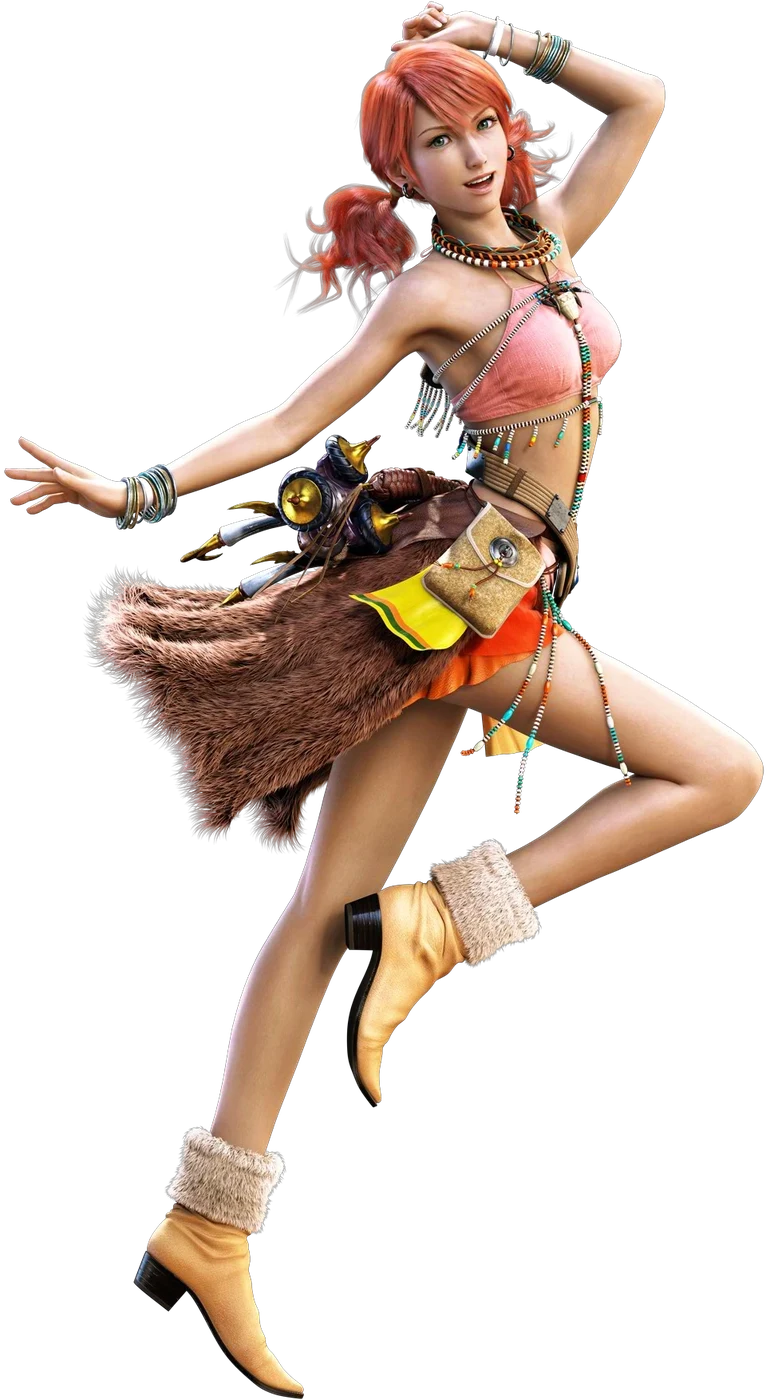
The story begins not with a battle, but with an expulsion. When a fal'Cie of Pulse is discovered inside Cocoon, the Sanctum government launches the Purge — every resident of the seaside town of Bodhum is herded onto trains, ostensibly to be exiled to Pulse, in reality to be slaughtered. Aboard one of those death trains are a former soldier on her way to rescue her sister, a pilot carrying a secret about his son, a resistance leader who never stops smiling, a boy who has just lost his mother, and a red-haired girl who laughs as if she has nothing to fear. All of them will be branded with the same mark — and declared enemies by their own paradise.
To follow the story, you only need one cruel rule: anyone chosen by a fal'Cie to become a l'Cie is given a task called a Focus. Complete the Focus, and the l'Cie turns to crystal and — according to legend — lives forever in crystal sleep. Fail, or defy the Focus, and the l'Cie becomes a Cie'th: a mindless monster doomed to wander in regret for eternity. There is no third option. And the most terrifying part is that a Focus is almost never stated outright: it arrives only as a fragmented dream, leaving the branded to guess what their god wants — while the clock on their brand ticks down, day by day.
📌 Quick summary: When Anima brands Lightning, Snow, Sazh, Hope and Vanille as l'Cie — following Fang, a l'Cie of Gran Pulse from centuries ago — the group is hunted across Cocoon. Their journey exposes Barthandelus, the fal'Cie behind the Primarch's face: he needs l'Cie to become Ragnarok and kill Orphan so millions of souls dying at once will open the door calling the Maker back. In the end, Fang and Vanille become Ragnarok and raise a crystal pillar to hold up Cocoon.
Two worlds, one fear: Cocoon above and Gran Pulse below
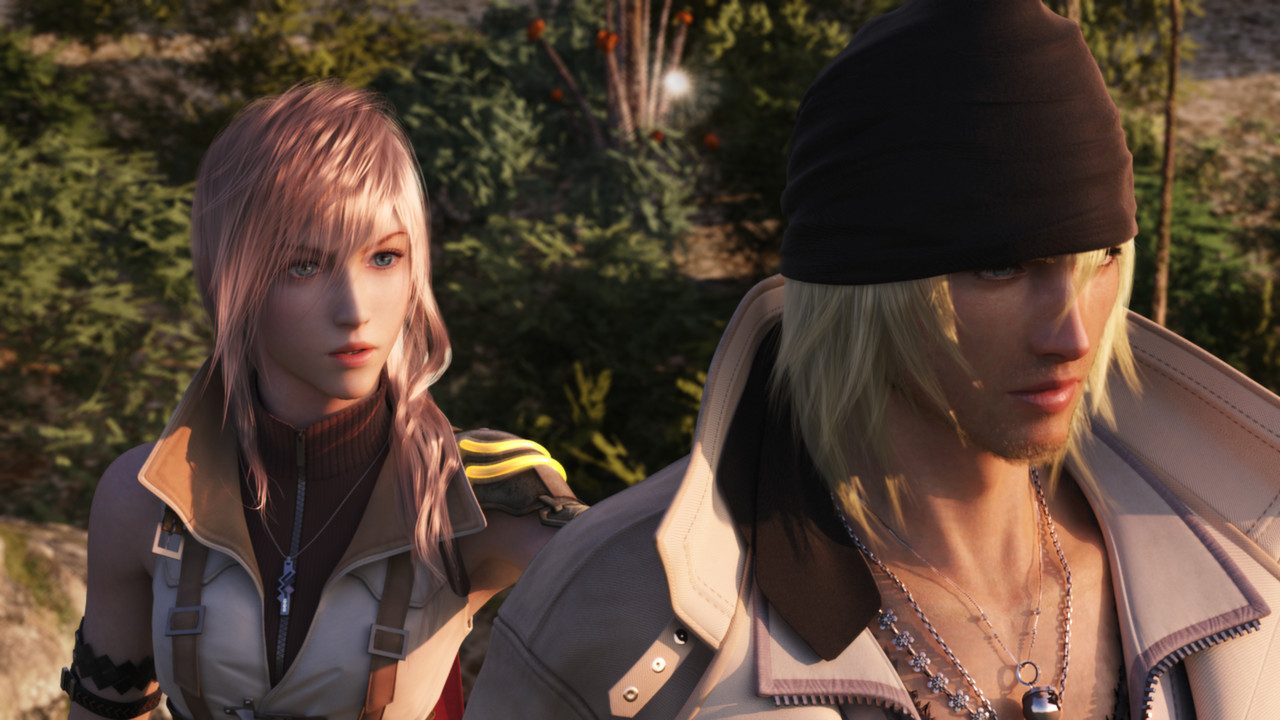
Gran Pulse is a vast surface world: plains stretching to the horizon, beasts as tall as buildings, and the ruins of a civilization that collapsed long ago. Floating in its sky is Cocoon — a colossal artificial sphere built by the fal'Cie centuries ago, containing a sealed paradise within: bright cities, artificial seas, festivals all year round. The people of Cocoon grow no food, generate no power, and decide nothing vital for themselves: everything — light, food, even the weather — is provided by the fal'Cie. The fal'Cie are god-like entities that are, in essence, machines: each was given by the Maker exactly one function and a finite amount of power to perform it. They cannot step outside their function — and that single limitation is the seed of the entire tragedy.
The relationship between the two worlds is poisoned by an old wound: the War of Transgression some 600 years ago, when the l'Cie of Pulse summoned the legendary beast Ragnarok against Cocoon and nearly tore its shell open. Ever since, the Sanctum — the theocratic government ruling Cocoon, led by the fal'Cie Eden and Primarch Galenth Dysley — has raised every child on fear of Pulse: Pulse is hell, anything touched by Pulse is tainted, and anyone branded by a Pulse fal'Cie is an enemy to be eliminated. Much as Final Fantasy XII used war and propaganda to steer Ivalice, Cocoon is ruled by fear packaged as faith. With one difference: in Cocoon, that fear is calculated — and the one calculating it is not human.
The Purge: when paradise decides to kill its own people
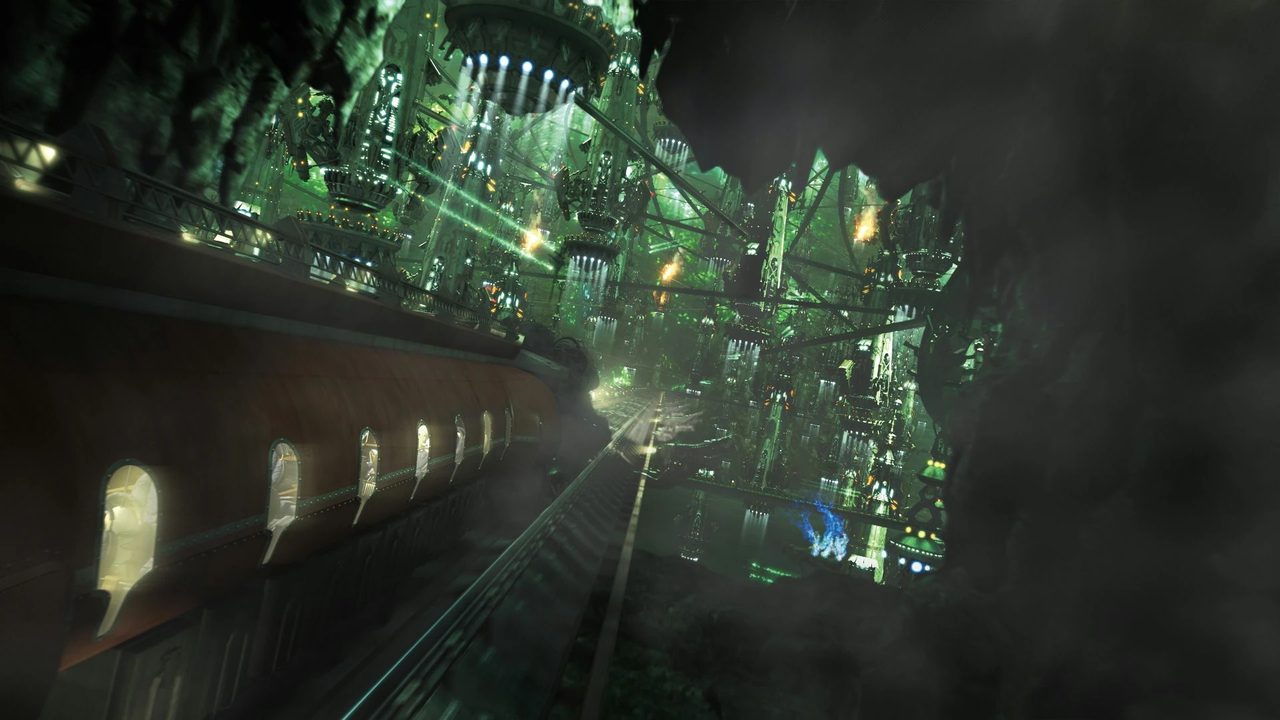
Everything unravels when Sanctum forces find a fal'Cie of Pulse sleeping inside the Pulse Vestige — an ancient ruin beside the resort town of Bodhum that locals had long treated as a harmless landmark. Panic erupts, and the Sanctum answers with the cruelest measure that can still wear the mask of "safety": the Purge of all of Bodhum. Every resident and tourist — whether they ever came near the fal'Cie or not — is loaded onto trains to the restricted Hanging Edge, promised exile to Pulse. The truth is that there is no exile: the Hanging Edge is an execution ground, and "Purge" is a pretty word for a systematic massacre carried out by the special forces of PSICOM.
Aboard one such train is Lightning — real name Claire Farron — a Guardian Corps sergeant who deliberately let herself be captured, because her only goal is to reach the fal'Cie Anima inside the Vestige and rescue her sister. Beside her sits Sazh Katzroy, a cheerful civilian pilot who is also seeking Anima for a reason he tells no one. Lightning hijacks the train, and the two fight their way through a burning Hanging Edge. On the other side, Snow Villiers — leader of the resistance group NORA and fiancé of Lightning's sister — rallies armed civilians against PSICOM. In the chaos, Nora Estheim, a mother who volunteered to fight, falls while Snow is protecting her. Her son, fourteen-year-old Hope Estheim, sees it all — and carves into his heart a conclusion as simple as it is cruel: his mother died because of Snow. Hiding alongside Hope in the crossfire is Vanille, a strangely calm stranger in the middle of the apocalypse.
Serah turns to crystal, and the brand of the outcast
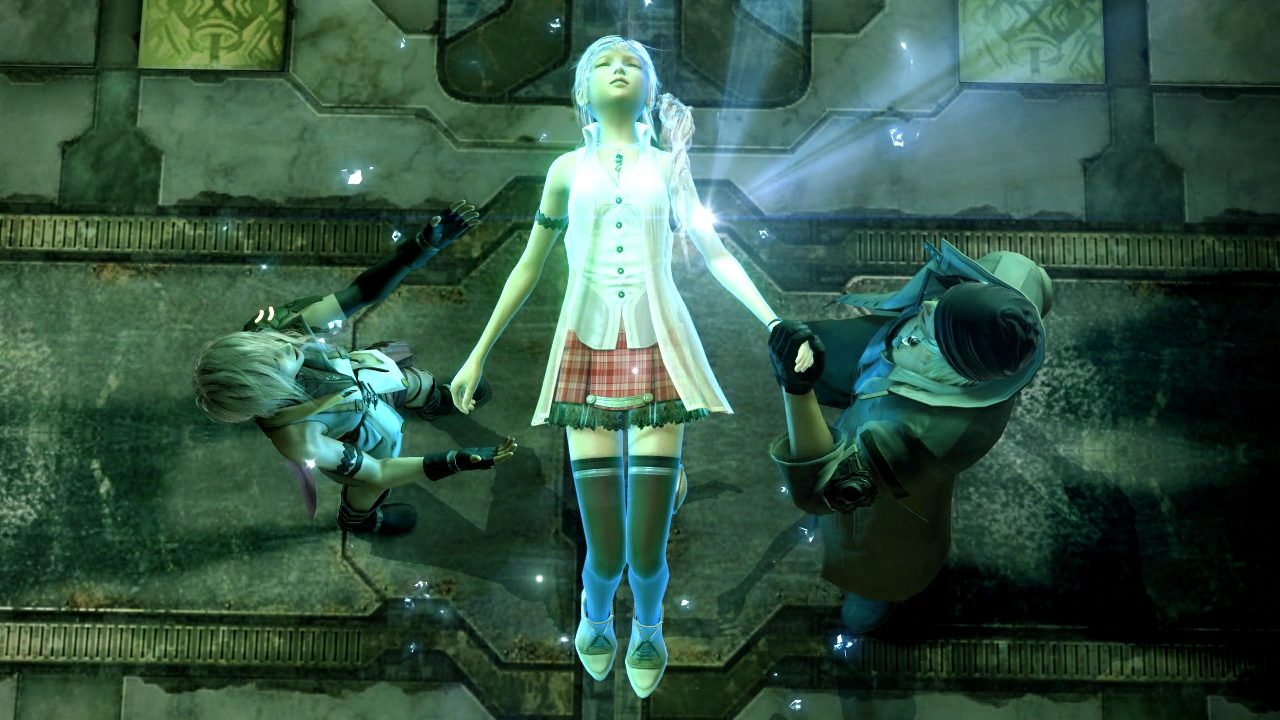
Lightning's sister, Serah Farron, is the origin of everything. Ten days before the Purge, she wandered into the Pulse Vestige and was branded a l'Cie by Anima — the first person from Cocoon in centuries to carry the mark of "hell". When Lightning, Snow, Sazh, Hope and Vanille finally converge inside the Vestige, they find Serah held captive by Anima. She has time for only one sentence — "Save Cocoon" — before she turns to crystal in her sister's arms: Serah's Focus, by the law of the l'Cie, is complete. Lightning does not believe her sister is alive inside that crystal. Snow clings to the opposite belief: that l'Cie who complete their Focus live forever, and he swears to wait for the day Serah wakes.
PSICOM shells the Vestige, and in the moment Anima is defeated, the five are pulled into another space, where the unseen god Pulse brands them all as l'Cie. Together they see a fragmented vision: the capital Eden in flames, and a colossal beast — Ragnarok. Waking beside a half-crystallized Lake Bresha, the group faces a lethal question: is their Focus to destroy Cocoon, as the vision suggests, or to save it, as Serah asked? Snow chooses to believe Serah, and stays behind to dig her crystal out of the lake bed. It is here that desperation summons the first Eidolon: the Shiva Sisters appear to test Snow, and he subdues them — proof that Eidolons come when a l'Cie hits rock bottom, though whether to grant power or to grant death, no one can say for sure. Snow is then captured, along with Serah's crystal, by the Cavalry — a military faction at odds with the Sanctum under Cid Raines — with the unexpected help of a spear-wielding Pulse l'Cie: Fang.
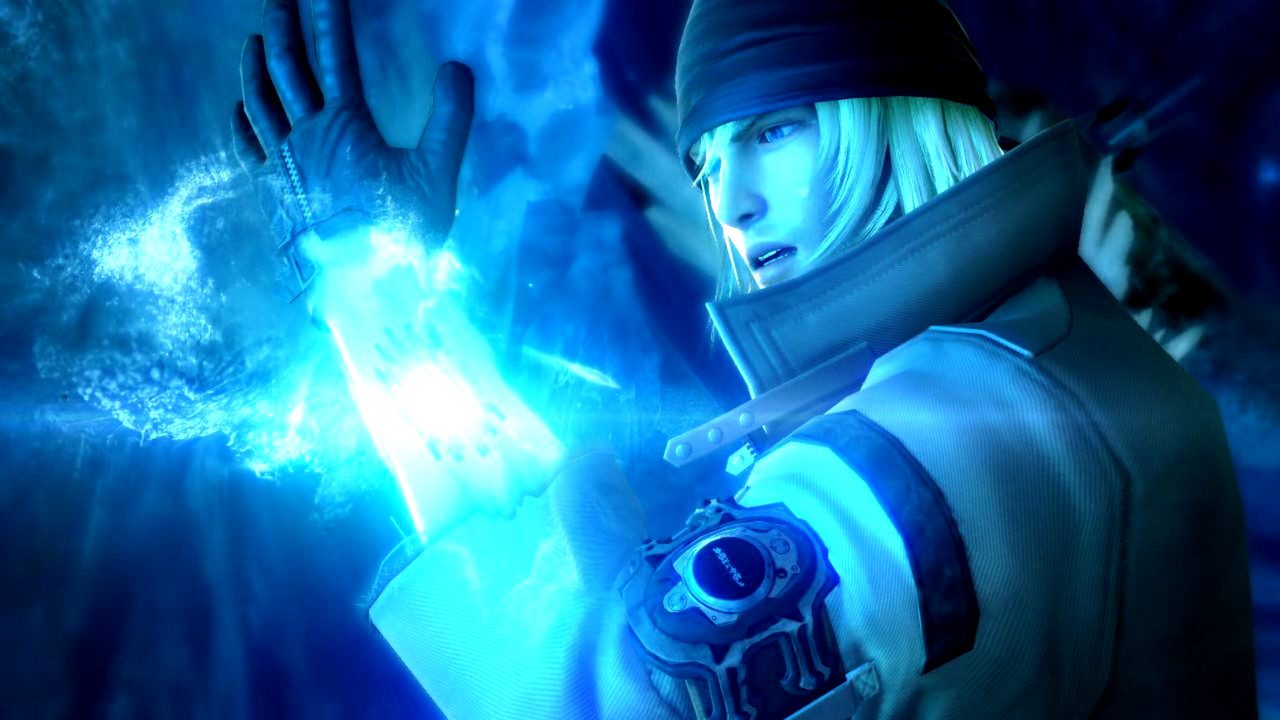
The others steal an airship and escape, but it is shot down over the Vile Peaks. From there the group splits along the fault lines of their personalities: Lightning decides to strike straight at Eden to take revenge on the fal'Cie, and Hope — hungry to become strong — begs to go with her. Sazh and Vanille choose the opposite road: run, as far as possible. None of them knows that the brand on their skin is quietly advancing stage by stage, and that at the end of that countdown, if the Focus is still undone, what waits for them is not death — it is the shape of a Cie'th.
Operation Nora: the boy out for revenge and the most hated hero
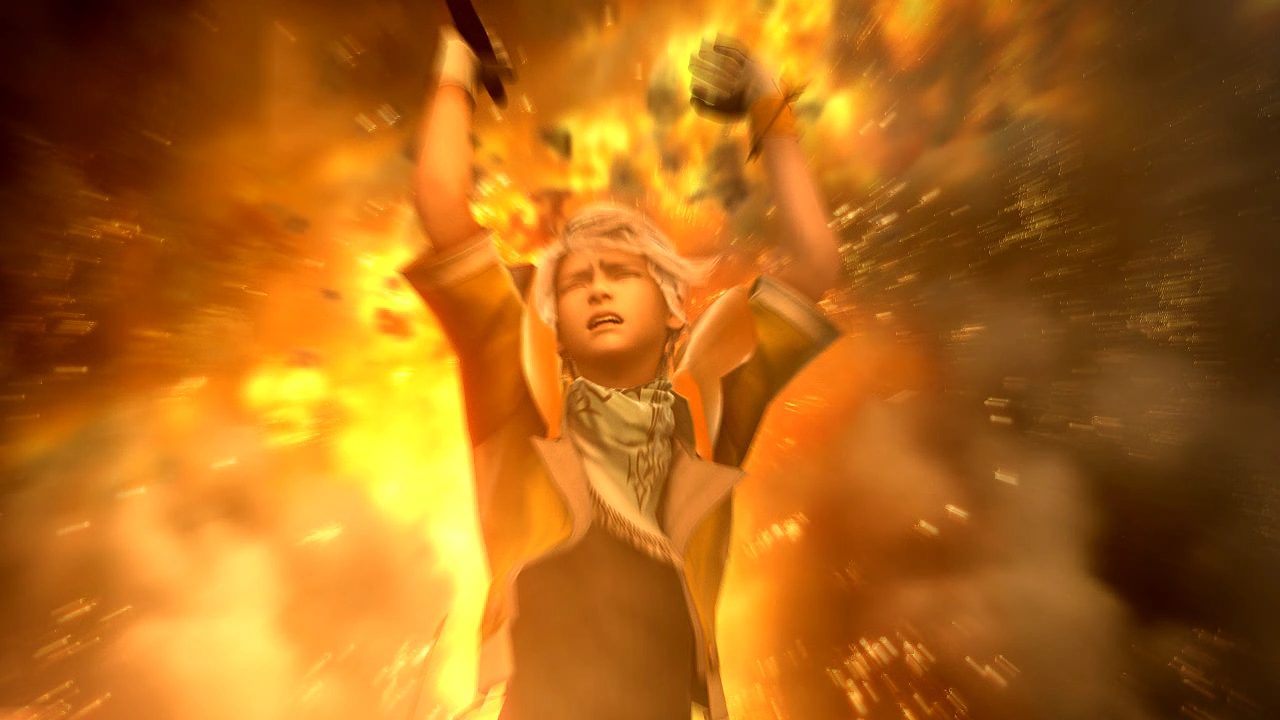
Travelling with Lightning through the Gapra Whitewood, Hope gradually reveals his plan: he calls it Operation Nora — named for his mother — and its goal is to kill Snow in revenge. Lightning admits she once abetted that intent: she wanted Hope to have a goal to cling to in order to survive, even if that goal was hatred. She was running away in the same fashion herself — turning the Sanctum into an enemy so she would not have to face the pain of losing Serah. The Eidolon Odin appears on the road, attacking Hope as if to force Lightning to choose between her mission and the boy; together they subdue Odin, and from then on Lightning teaches Hope to fight as she would a younger brother.
Everything explodes in Palumpolum, Hope's hometown. Snow and Fang — freshly escaped from the Cavalry — rescue Lightning and Hope from a PSICOM encirclement, then the pairs split again: Snow goes with Hope. It is the most awkward journey in the whole story: Snow, obliviously loud and friendly, has no idea the boy beside him is hiding a knife and waiting for his chance. Cornered on a rooftop, Hope finally draws the knife and confronts Snow. But an attack by a PSICOM warmech shatters everything: the building collapses, and Snow — without a second's hesitation — uses his own body as a cushion for the boy who just tried to kill him, then sincerely apologizes for Nora's death. Hope drops the knife. He realizes Snow never ran from responsibility — he simply does not know how to carry it except by charging forward. Hope then faces the father he had grown distant from, tells him of his mother's death, and the two reconcile. Operation Nora ends not in blood, but with a lesson both of them paid dearly to learn: blaming one specific person is far easier than facing the truth that the system itself killed the people they loved.
Sazh, Dajh, and Vanille's biggest lie
Meanwhile, Sazh and Vanille cross the Sunleth Waterscape toward the amusement park of Nautilus. On the way, Sazh finally tells the whole reason he was on that Purge train: his six-year-old son, Dajh, was branded a Sanctum l'Cie by the fal'Cie Kujata in the incident at the Euride Gorge energy plant. Dajh gained the ability to sense Pulsian entities — and because he sensed the Vestige in Bodhum, the boy unwittingly became the Sanctum's excuse to launch the entire Purge. Sazh boarded the train with one desperate thought: if he could complete Dajh's Focus in his place, or kill Anima, his son might escape the fate of a Cie'th. Vanille listens quietly to all of it — and quietly hides her own part in the story.
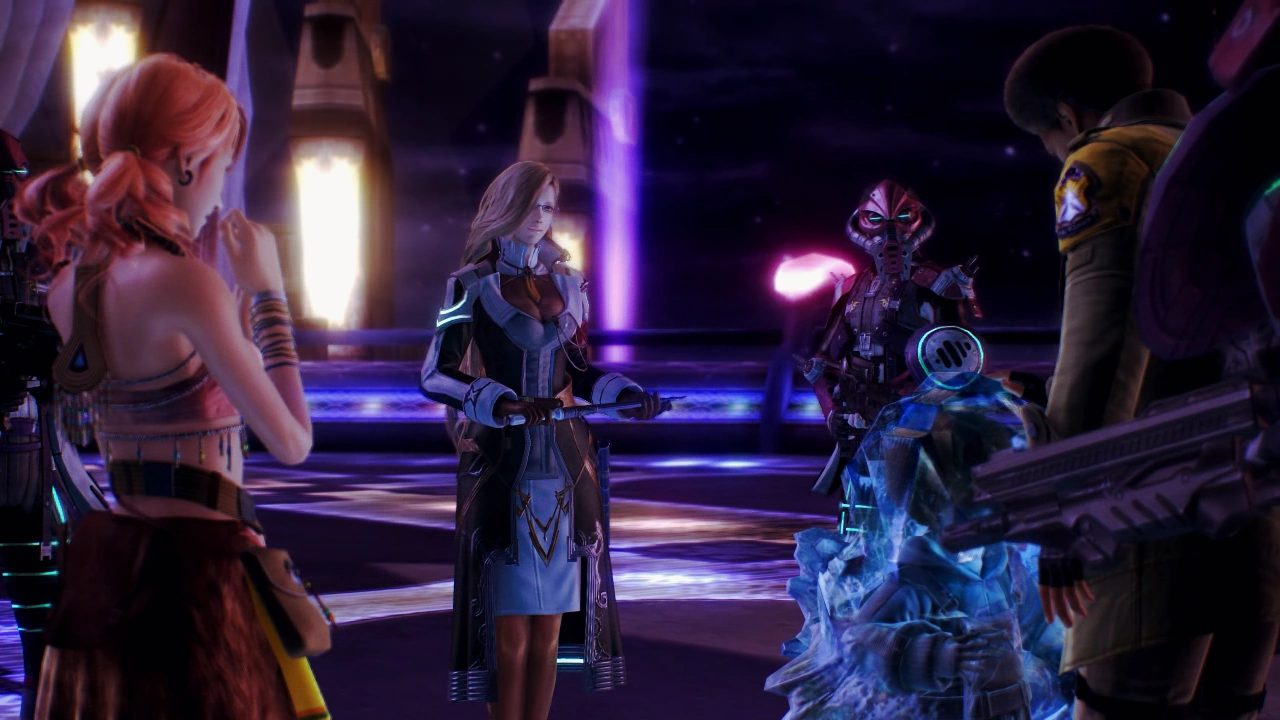
At Nautilus, PSICOM's supreme commander, Jihl Nabaat, appears in person with Dajh. The instant father and son are reunited, Dajh turns to crystal: his Focus — guiding the hunt for the Pulse l'Cie — is complete, and no one even knew. Then Jihl plays the security footage from Euride Gorge, and the truth lands like a knife: Kujata branded Dajh in self-defense — because moments earlier, two Pulse l'Cie, Vanille and Fang, had attacked the plant. Vanille, the companion Sazh trusted, is one of the two people who pushed his son into this tragedy. The shock summons Sazh's Eidolon, Brynhildr; after subduing it with Vanille's own help, Sazh puts a gun to his own head in despair — and cannot pull the trigger. He and Vanille are arrested, and taken aboard the airship Palamecia to await public execution.
Aboard the warship, Vanille finally stops running from her own story. She and Fang are villagers from Oerba on Gran Pulse, branded by Anima during the War of Transgression — some 600 years ago. Having partly fulfilled their Focus, the two turned to crystal, slept for centuries, and woke inside the Vestige in the heart of Cocoon thirteen days before the Purge. Fang lost her memory of their old Focus; Vanille remembers everything — remembers that she was tied to the beast Ragnarok that tore Cocoon's shell — but out of fear and guilt, she pretended to have lost her memory too, and kept lying day after day. Every carefree smile of Vanille's from the start of the story until now, it turns out, was the shell of a person running away from herself.
Barthandelus revealed: the god wearing the Primarch's face
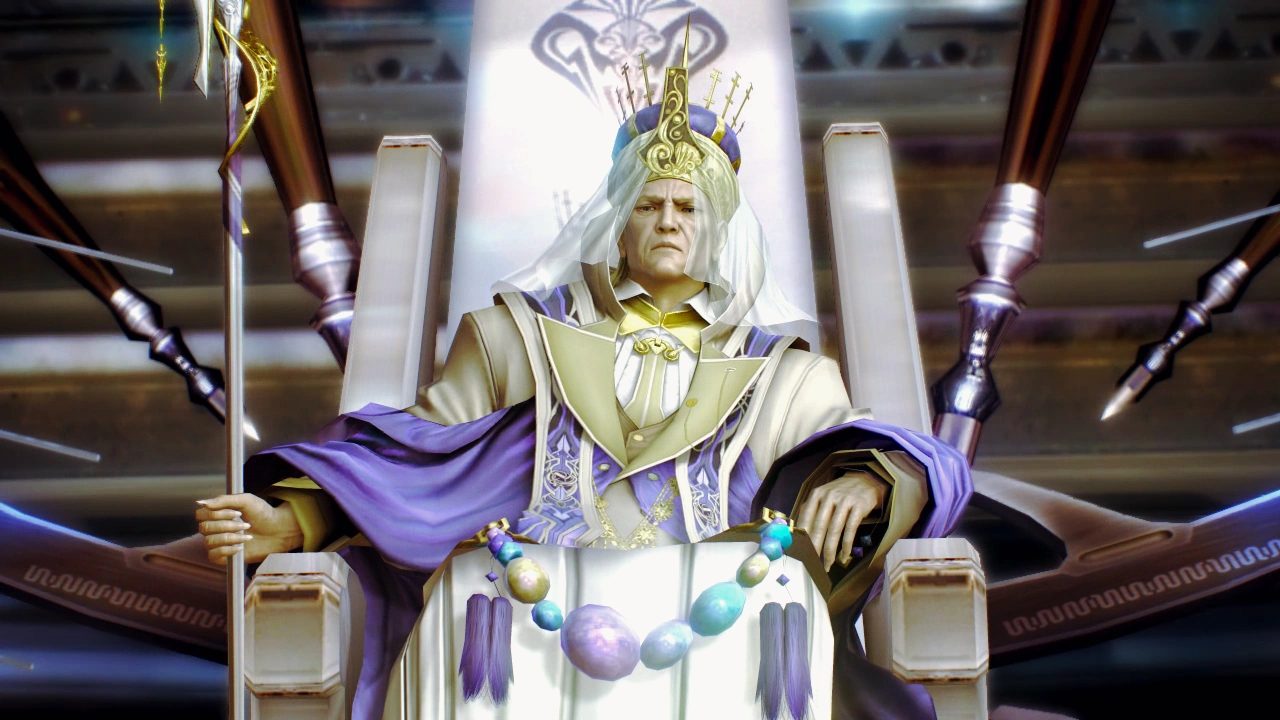
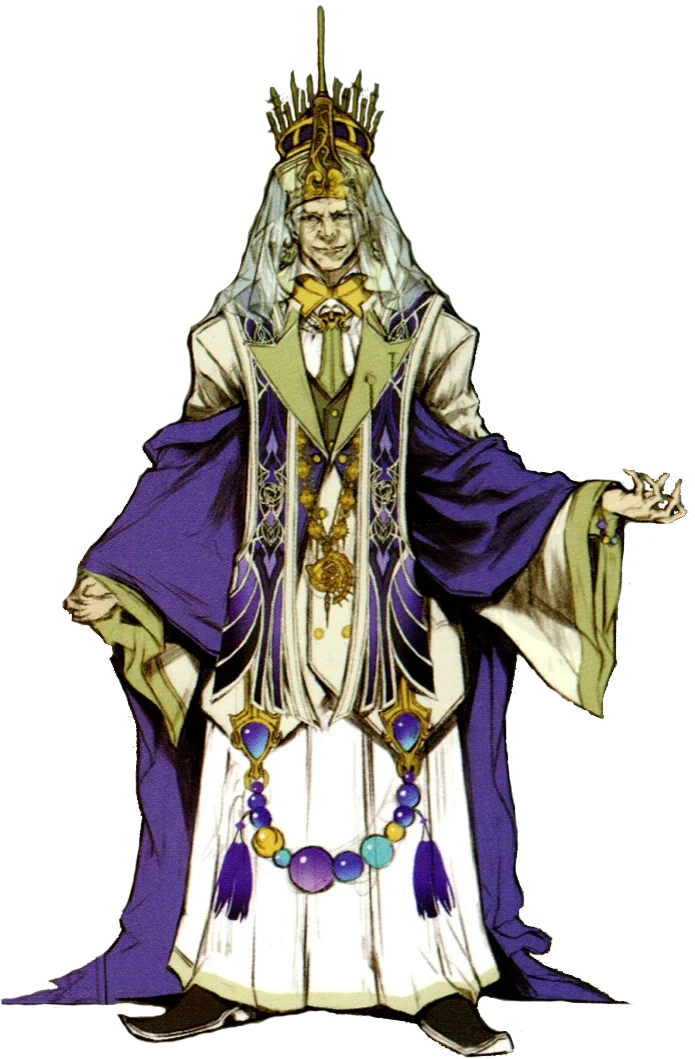
Lightning's group infiltrates the Palamecia to rescue Sazh and Vanille. On the bridge, Primarch Galenth Dysley calmly awaits them. He slaughters the entire bridge crew — including Jihl Nabaat — like spent pawns swept off the board, then sheds his human form: Dysley is Barthandelus, the fal'Cie standing behind the whole Sanctum, who has ruled Cocoon in human guise for centuries. He states the party's true Focus outright: become Ragnarok and kill Orphan — the infant fal'Cie deep within Eden, the power source sustaining all of Cocoon's fal'Cie and the very thing holding Cocoon in the sky. If Orphan dies, Cocoon falls. According to Barthandelus, even Serah's Focus was merely "to gather the l'Cie" so this play could begin. The party defeats him in their first battle, but he departs at his leisure — because for him, losing one battle is still part of the script: he needs the l'Cie alive, stronger, and finding their own way to Orphan.
Fleeing into the Fifth Ark — an ancient Pulse armory hidden beneath Eden — the group reunites with Cid Raines, and Cid reveals the rest of the picture. He himself is a Sanctum l'Cie, manipulated by Barthandelus. The ultimate purpose of Cocoon's fal'Cie is to summon the Maker: they believe the Maker left the world through the Door of Souls — the passage the souls of the dead travel through — and if a vast enough flood of souls pours through that door at once, it will be forced wide enough for the Maker to return and remake the world. In other words, Cocoon, with its millions of inhabitants, was never purely a paradise: it is a sacrificial altar raised over centuries, waiting for the day of a mass slaughter. The fal'Cie cannot destroy Cocoon with their own hands — their function is to maintain it, and they are absolutely bound by their own Focus. They need human hands: l'Cie, who possess the limitless potential the fal'Cie lack. Cid, preferring death to life as a puppet, attacks the party to stop them going further — and though he loses, he turns to crystal instead of a Cie'th, a quiet hint that human will can bend even the laws of gods.
Gran Pulse: the empty wilds and the truth of the two girls of Oerba
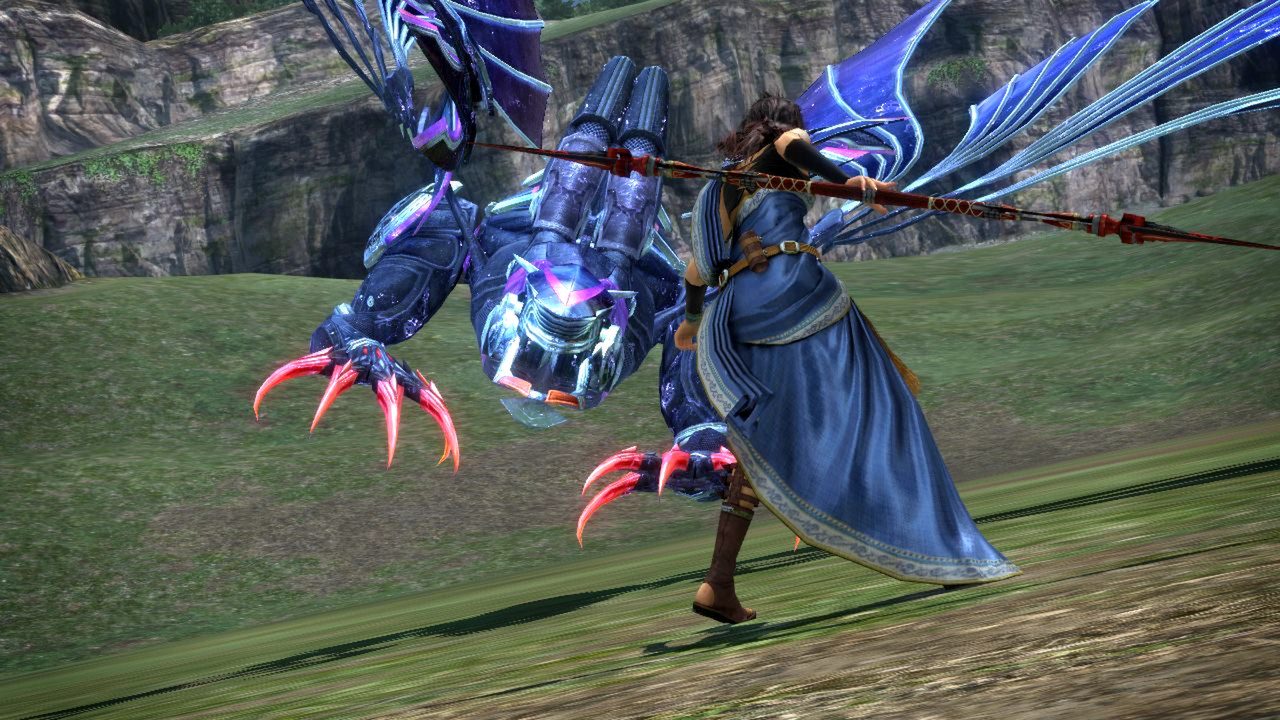
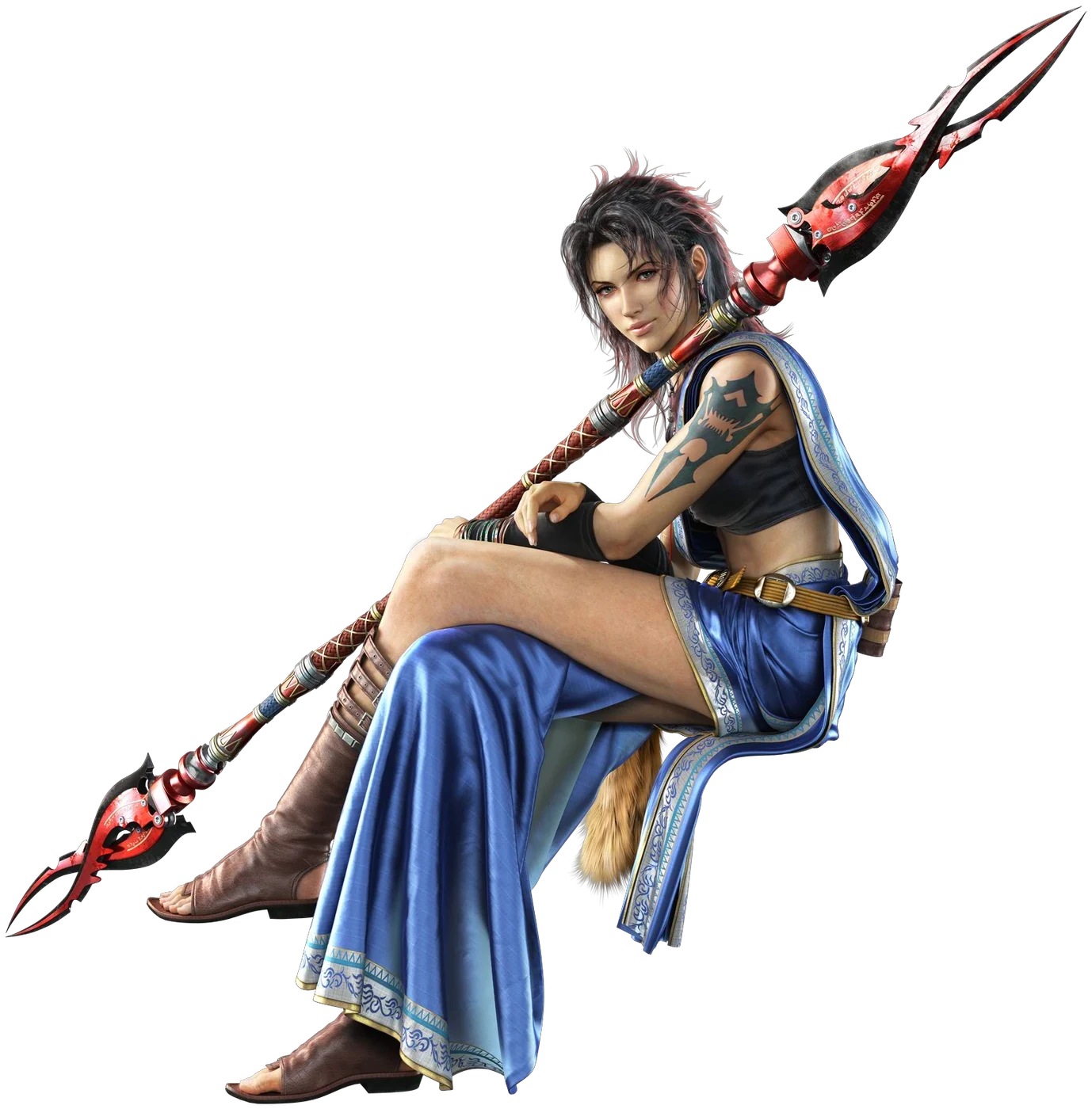
With no way back on Cocoon, the group uses an ancient Pulsian airship to pass through a sky portal and descend to Gran Pulse — for the first time, the children of the artificial paradise set foot on the "hell" they were taught to fear. There is no hell on Gran Pulse: only the vast Archylte Steppe, herds of colossal beasts, and the silence of an extinct civilization. They wander for days searching for a way to erase their brands, and do not find a single living soul. On the road to Oerba, the last truth between Fang and Vanille finally detonates: when Fang bluffs that she remembers their whole Focus to trap her, Vanille breaks down and confesses — back in the War of Transgression, the one who became Ragnarok and tore Cocoon's shell was Fang alone: Vanille, too afraid, never merged with her, leaving Ragnarok without the power to destroy Orphan. Vanille's Eidolon, Hecatoncheir, appears in the middle of her crisis — and this time Vanille does not run; together with Fang she subdues it, and swears to face her fate to the end.
Oerba greets them with crystal dust like snow and Cie'th wandering the ruins — the two girls' hometown is now a ghost town, where everyone either died or became the very monster every l'Cie fears turning into. Here, Barthandelus appears in the form of Serah to lure the party into killing Orphan, is exposed, and gives battle once more. From the ancient records left in Oerba, the group assembles the final piece of history: Fang never finished destroying Cocoon because the goddess Etro intervened, forcing both Fang and Vanille into crystal earlier than fate intended. Barthandelus then quietly moved the entire Vestige — together with Anima and their two crystals — inside Cocoon, burying the seed of destruction beside Bodhum, and waited patiently for centuries for the two Pulse l'Cie to wake and finish the job. Fang also understands the bitterest thing about herself: her brand burned out long ago and turned white — the Cie'th countdown no longer threatens her. The only one of the two still being counted down… is Vanille. That is why Fang is willing to do anything, even become Ragnarok once more, as long as Vanille survives.
Orphan, Ragnarok, and the crystal pillar that holds up the sky
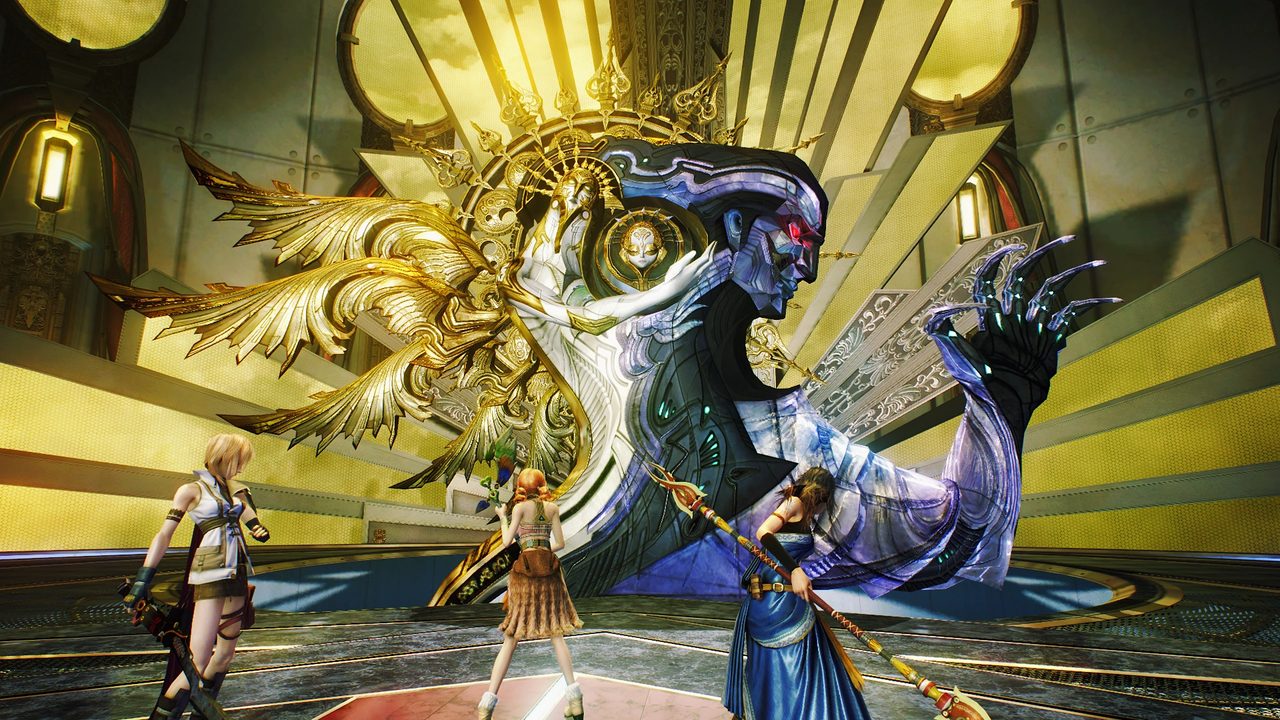
Returning to Cocoon in the midst of Eden's chaos — the Cavalry in revolt, Pulsian monsters flooding the city, citizens fleeing — the group enters Orphan's Cradle. Barthandelus destroys the crystal forms of Serah and Dajh before their eyes (later revealed to be yet another layer of mental torture by illusion), then merges with the newly awakened Orphan. The final battle is a calculated torment: Orphan tortures Vanille to force Fang to become Ragnarok; Fang surrenders, strikes down her own comrades — Lightning, Snow, Sazh and Hope turn into Cie'th one by one before her eyes — then becomes an incomplete Ragnarok and hurls herself at Orphan. But one person's Ragnarok is still not strong enough: Orphan's shell only cracks, and Fang reverts, exhausted, to human form, healed by Orphan only so the torture can begin again from the start.
The turning point comes from where no one expected: those four Cie'th — by pure will, holding on to the memories of the journey they shared — transform back into humans by themselves. Afterwards, even they are unsure whether that Cie'th scene was real or just another fal'Cie illusion; but in that moment, all that mattered was that the party stood back up. They give themselves a new Focus, chosen by their own will rather than imposed by any god: save Cocoon. Their brands turn white. And when Orphan shows its true face — a selfish divine child, willing to die just to meet the Maker — the party kills it with a simple belief: if they were strong enough to destroy Cocoon, they are strong enough to save it.
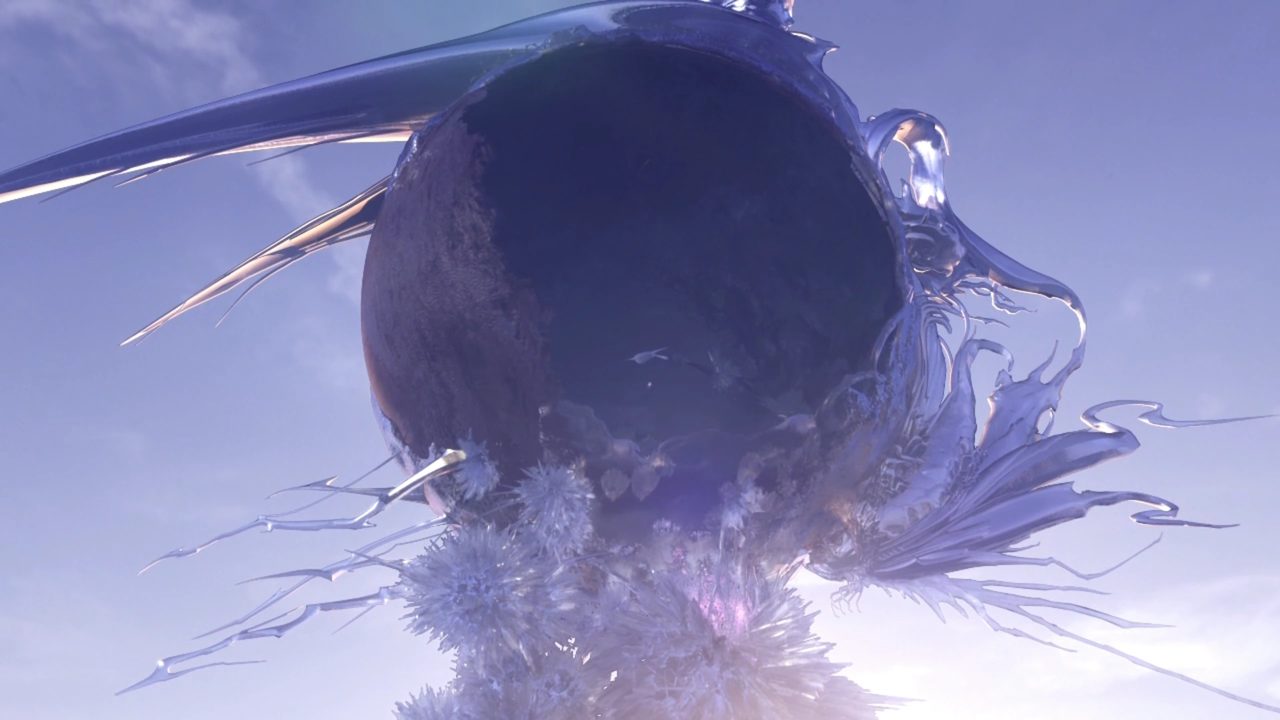
Orphan dies, every fal'Cie of Cocoon goes dark, and paradise begins to fall. Just before impact, Fang and Vanille join hands and become the complete Ragnarok — this time to save, not to destroy: they raise a colossal column of lava from the surface of Gran Pulse, then crystallize it, turning it into an eternal pillar that catches the falling Cocoon. Lightning, Snow, Sazh and Hope crystallize for a fleeting moment, then wake on Pulsian soil, their brands gone entirely — their Focus, somehow, counted as complete. Serah and Dajh return to being human as well. Under a sky seeing their true homeland's surface for the first time, Lightning smiles and gives her blessing to Serah and Snow's wedding. Only two people are missing from the reunion: deep within the core of the crystal pillar holding up Cocoon, Fang and Vanille still hold hands in eternal sleep — two people used by all of history, who at last chose a destiny for themselves, even if the price is to become the monument of the world that cast them out.
What became of them
Lightning ends the journey with her brand gone and a heart that has learned to let go for the first time: she blesses Snow and Serah — something the Lightning of the story's opening could never have done. Snow is reunited with Serah in human form, keeping his promise that "a hero always comes back". Serah and Dajh both escape the crystal and return to ordinary human life. Sazh holds his son again, closing the most desperate father's journey in the series. Hope returns to his father's side, far more grown than the boy with a knife from Operation Nora. Cid Raines dies the way he chose rather than live as a puppet: after Barthandelus resurrects him as a figurehead Primarch, he asks Rygdea to end his life. Barthandelus and Orphan are destroyed together, and with them the entire fal'Cie system of Cocoon: from now on, Cocoon's people must live on their own, with no gods to do it for them. Only Fang and Vanille remain inside the crystal pillar — their fate continues in the sequel Final Fantasy XIII-2 and the finale, Lightning Returns. The world of XIII belongs to the same Fabula Nova Crystallis mythology that nearly belonged to Final Fantasy XV — the game born from the Versus XIII project that once shared its mythos.
Common misconceptions
Do l'Cie who complete their Focus really live happily forever?
No. Completing a Focus only turns a l'Cie to crystal and casts them into a boundless crystal sleep — Cocoon's legend calls that "eternal life", but in reality it is being frozen outside time, neither aging nor truly living. Failing, or letting the brand advance through all its stages, turns a l'Cie into a Cie'th, a monster stripped of its mind. Both outcomes are suspended sentences hanging over every l'Cie from the moment they are branded.
The subtle point is that crystal sleep is not necessarily permanent: Serah, Dajh, Cid and the main party all woke from crystal when conditions changed, and Fang and Vanille slept for some 600 years before waking. The "eternity" of Sanctum propaganda should therefore be read as propaganda prettifying a sentence — much as the Sanctum called a massacre a "Purge for public safety".
Was the party's Focus really to destroy Cocoon?
No one knows for sure, and that is the tragedy of the Focus system itself. The dream Anima showed the party was only fragmented images of Ragnarok and Eden in flames; the l'Cie themselves inferred "destroy Cocoon" from it. Barthandelus deliberately nurtured that reading, while Serah's last words were "save Cocoon". At the end, the party chooses its own Focus — to save Cocoon — and their brands disappear, suggesting the second reading was the path to life.
This is also the core difference between humans and fal'Cie: fal'Cie are absolutely bound by their Focus and cannot reinterpret their task; humans can choose how to read their fate — and that freedom of interpretation is exactly what Barthandelus both covets and can never have.
Did Vanille really lose her memory like Fang did?
No. Fang genuinely lost her memory of their old Focus after 600 years of crystal sleep, while Vanille remembers everything: Ragnarok, the war, her role in it. She pretended to have amnesia out of fear and guilt, and maintained that lie throughout the journey — even as it indirectly wounded Sazh, whose son was lost because of what she and Fang did at Euride Gorge. Vanille's confession in Gran Pulse is the moment she stops running.
Vanille's lie is also the key to reading her character: the entire narration of Final Fantasy XIII is Vanille's voice, and she is an unreliable narrator in the truest sense — everything she tells is true, but what she hides is the most important part.
Did Barthandelus want to destroy Cocoon because he hated humanity?
Not at all. Barthandelus does not hate humans — he is indifferent to them as tools, and his goal is to summon the Maker back so the world can be remade. Cocoon has to die because the simultaneous death of its millions of inhabitants would create a flood of souls large enough to force the Door of Souls open. In his calculation, humans are not enemies but fuel: that is what makes this plot colder than any ordinary malice.
It should also be made clear: Barthandelus cannot kill Orphan with his own hands. The fal'Cie are bound by their own function — they maintain Cocoon and cannot destroy it — so he must borrow the hands of l'Cie, humans of limitless potential. The entire Purge, the awakening of Fang and Vanille, even the party's repeated escapes, were all him clearing the road for his Ragnarok.
Theories & mysteries
Who is the Maker, really? Final Fantasy XIII only calls them "the Maker" and explains no further. In the Fabula Nova Crystallis mythology expanded in later entries and official materials, the Maker is identified as the god Bhunivelze, while Pulse, Lindzei and the goddess Etro are the first deities he created; Barthandelus belongs to the fal'Cie born of Lindzei. However, most of this divine system is not presented directly in XIII itself — players piece it together from the Datalog, XIII-2 and Lightning Returns — so it is important to distinguish what happens in this game from what was expanded later (material beyond the original game).
Was the party's Cie'th transformation at the finale real, or an illusion? The game deliberately leaves it open: afterwards, the characters themselves suggest it may have been another fal'Cie illusion meant to break Fang's will. If it was real, it is the only time in the game a l'Cie reverses the Cie'th transformation by willpower — which would break the immutable rule established from the start. If it was an illusion, it shows how precisely the fal'Cie understand each person's psychological weakness. Square Enix has never definitively confirmed either way, so both readings remain valid (not officially confirmed).
How did Etro intervene 600 years ago? The records in Oerba say only that the goddess Etro forced Fang and Vanille into crystal before Ragnarok could destroy Cocoon. Etro's motive — the goddess tied to death and the Door of Souls in the expanded mythology — is not explained in the original game; the popular community theory is that Etro did not want the Door of Souls exploited for Barthandelus's plan, but this remains speculation based on materials from later entries, not an event confirmed in Final Fantasy XIII.
The legacy of a divisive paradise
Final Fantasy XIII was the most divisive entry of its era: its visuals and music were praised almost universally, but its nearly straight-line linearity for most of its length left many veteran players deflated — a sharp contrast with the political open world of the preceding XII and the cinematic ambition of Final Fantasy VII before it. Time has been kinder to it: the Paradigm Shift system has been re-evaluated as one of the deepest battle systems in the series, and its story of humans branded with a death sentence by gods is increasingly read as a metaphor for destiny and social pressure. It is also the rare Final Fantasy entry to spawn an entire trilogy of its own — XIII-2 and Lightning Returns — making Lightning the face of Square Enix for years. Loved or hated, one thing no one can deny: the crystal pillar holding up Cocoon is one of the most haunting closing images Final Fantasy has ever created.
👤 Main characters
A quick introduction to the central characters of the story.
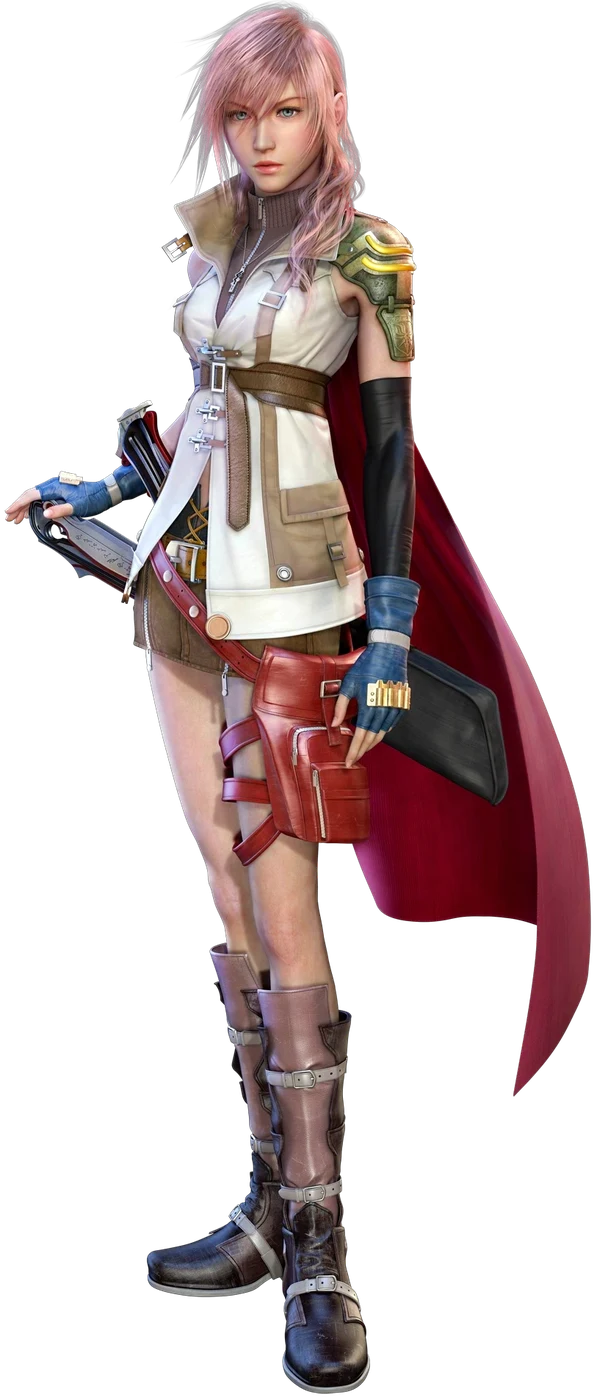
- Real name
- Claire Farron
- Weapon
- Blazefire Saber — a transforming gunblade
- Eidolon
- Odin
- Initial motive
- Hijacking a Purge train to rescue her sister Serah from the fal'Cie Anima
The girl who renamed herself 'Lightning' to bury her weak side after her parents died, raising her little sister alone. Lightning begins the journey as a cold machine of vengeance, and ends it by learning the hardest thing for her: to lower her weapon, trust others, and bless her sister's happiness.

📚 Read the Final Fantasy series in story order
- Final Fantasy IV Story Explained: The Dark Knight Cecil's Journey of Redemption
- Final Fantasy V Story Explained: Two Worlds, One Void, and the Old Man Who Refused to Fall
- Final Fantasy VI Story Explained: The Madman Who Destroyed the World and a Symphony of Hope
- Final Fantasy VII Story Explained: The Mercenary and the Memories That Were Never His
- Final Fantasy VIII Story Explained: The Sorceress's Time Loop and the Promise at the Flower Field
- Final Fantasy IX Story Explained: Home Is Where Someone Is Waiting for You
- Final Fantasy X Story Explained: The Thousand-Year Dream and the Price of Truth
- Final Fantasy XII Story Explained: The Gods' Chess Game and the Princess Who Dared to Say No
- Final Fantasy XIII Story Explained: The Floating Paradise, the Brand of Death, and the Plot to Summon the Maker — you are reading this one
- Final Fantasy XV Story Explained: Ten Years in the Crystal and the Price of the Dawn
- Final Fantasy XVI Story Explained: The Flame of Rebellion and the Day Magic Vanished from Valisthea


