Axiom Verge Story Explained: The Enemy He Must Destroy Is Himself

📋 Quick facts
- Game
- Axiom Verge
- Developer
- Thomas Happ Games
- Release year
- 2015 — March 31, 2015 on PlayStation 4
- Original platform
- PlayStation 4
- Genre
- Metroidvania, action-adventure
- Creator
- Thomas Happ — made the entire game alone over 5 years (programming, art, music)
- Music
- Thomas Happ
- Notable feature
- Metacritic 84/100 (PS4); nominated for Best Independent at The Game Awards 2015
- Next entry
- Axiom Verge 2 (2021)
A scientist wakes up inside a strange machine, on a planet he has never heard of, his last memory a laboratory explosion on Earth. A woman's voice rings out in his head, calling herself Elsenova, begging him to save her race. But the deeper he ventures into the world of Sudra, the more one chilling truth dawns on the scientist: the enemy that voice wants him to destroy — the one cursed by the entire planet, named Athetos — is none other than… himself, in an older and more bitter incarnation. This article retells the story of Axiom Verge (2015), a game crafted by a single person — Thomas Happ — over the course of 5 years.
The setting is Sudra, a planet that once served as a gateway to higher worlds in the "worldstream." The worlds are separated by the Breach — a spatial storm that no living creature can cross without special technology. The Sudrans once mastered technology far beyond Earth's, but over time they forgot its origins and came to worship the machines as gods. The colossal machine entities known as the Rusalki — the legacy of that civilization — were imprisoned by the Sudran priests themselves, torn from their bodies, and locked away along with the entire planet by the Breach storm.
Gameplay-wise, Axiom Verge is a love letter to Metroid and Contra: an interconnected map to explore, over 60 items and upgrades, and strange weapons like the Axiom Disruptor and the Address Disruptor — a gun that can "glitch" the world itself. But what has kept the game in people's minds years later is not just the gameplay; it is a story in which, from beginning to end, not a single character tells the player the whole truth.
📌 Quick summary: After a laboratory explosion, physicist Trace wakes up on the planet Sudra and is guided by the machine entity Elsenova to rescue the Rusalki and oppose Athetos — the man blamed for unleashing a pathogen that wiped out the Sudrans. But the truth is that Trace is only a young clone of Athetos himself, created by the Rusalki to be wielded as a weapon against the original. Only after destroying the Breach attractor machine does he understand that he was used from the very first minute.
Chapter 1: Awakening in the Rebirth Chamber
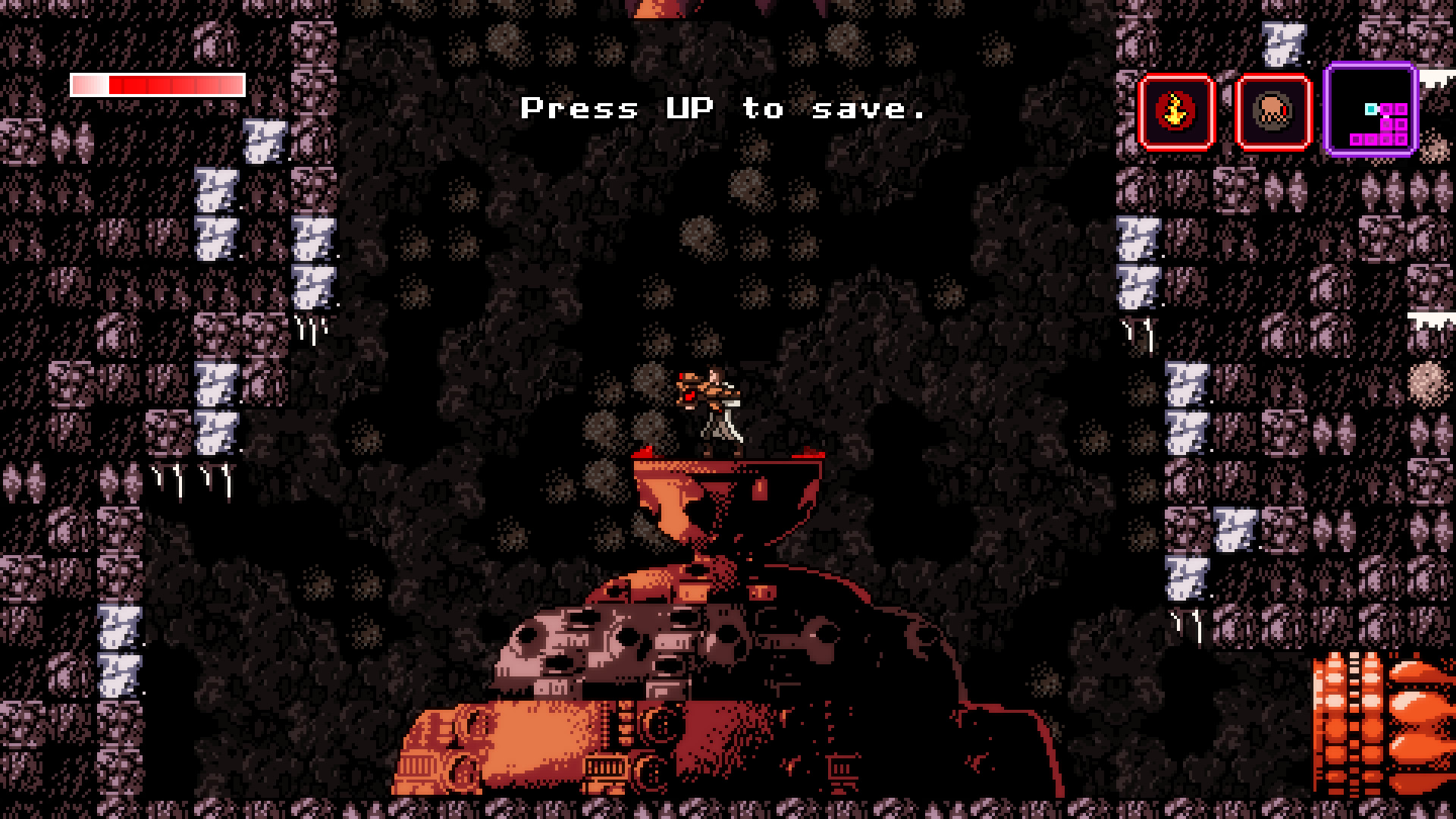
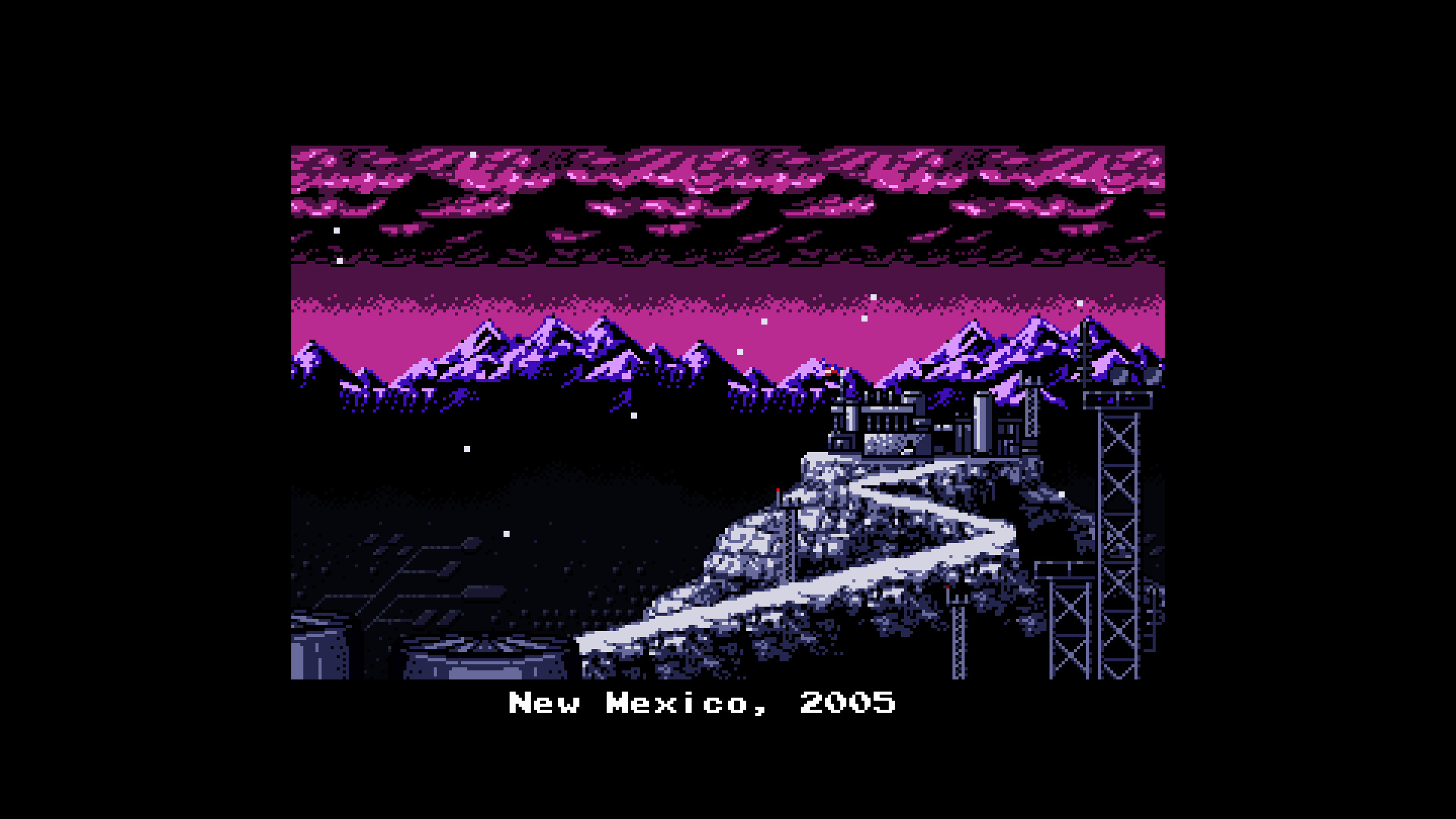
The game opens in New Mexico in 2005: a frozen pressure valve causes an explosion in the laboratory, and the young physicist Trace Eschenbrenner sinks into darkness. When he opens his eyes, there is no hospital — he finds himself inside an egg-shaped machine in the strange land of Eribu, his body completely unharmed, surrounded by aggressive biomechanical creatures that never existed on Earth.
Almost immediately, a woman's voice echoes in Trace's head: Elsenova. She is weak, her words broken like a fading signal, barely managing to tell him to take the gun in the next room — the Axiom Disruptor — and come back to help her. With no map and no explanation, Trace is forced to gun down the Sudran creatures and Xedur, the monster blocking his path, then descend into the underground region of Absu to find the owner of that voice.
Right from the first chapter, the game plants a detail players easily overlook: Trace does not stay surprised for long. He accepts Sudra, accepts the voice in his head, picks up the gun and keeps going — as if some part of him had been here before. That "strangely familiar" feeling is no accident; it is the red thread running through the entire story.
Chapter 2: Elsenova — the Giant Machine Head
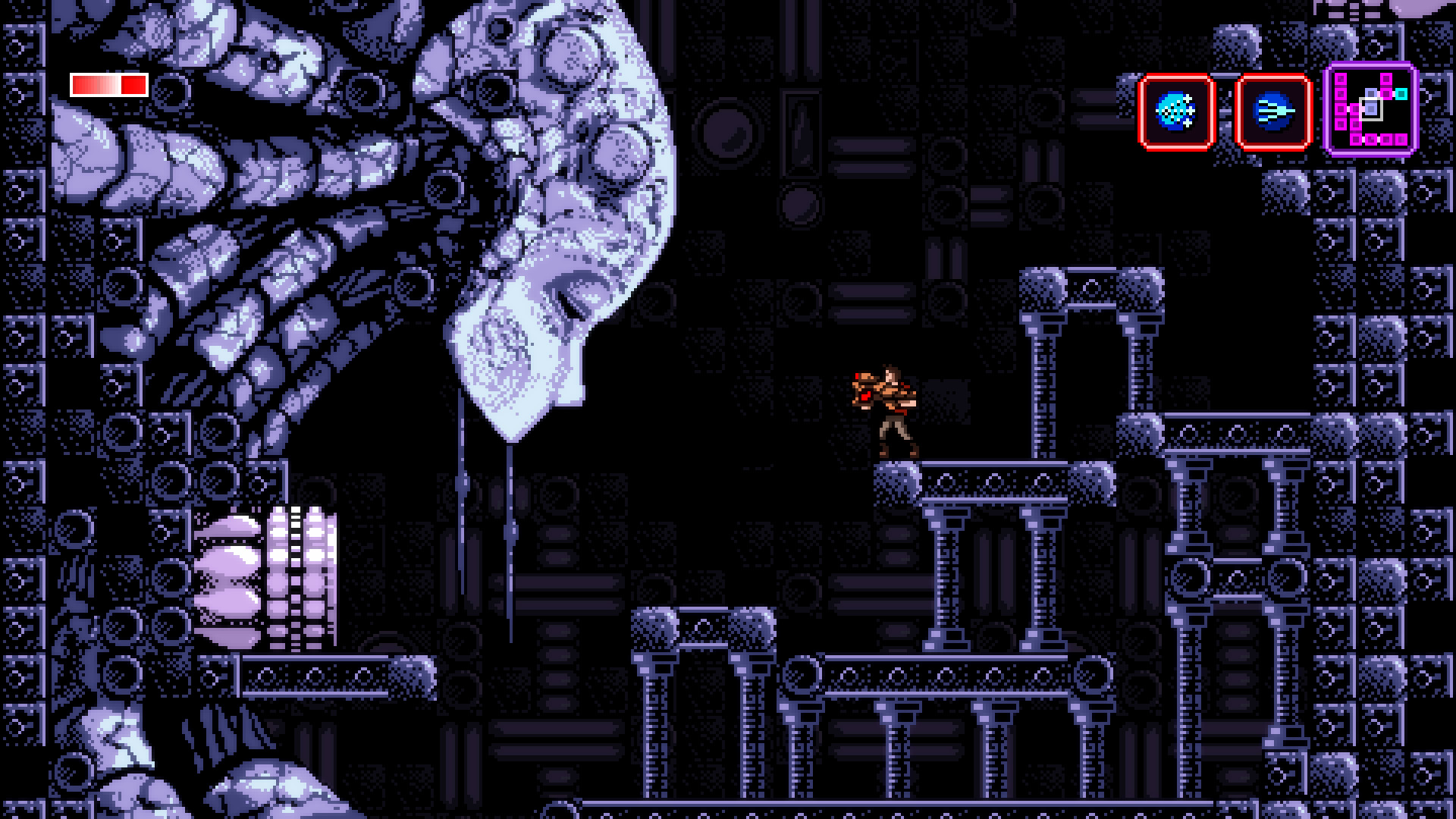
Deep in Absu, Trace comes face to face with Elsenova: a colossal machine head fixed in the middle of the room, her true body torn away long ago. Elsenova tells him the Rusalki side's version of history: the universe consists of many worlds separated by the Breach; long ago, an Earth man named Athetos crossed the Breach to Sudra, unleashed a pathogen that wiped out the entire Sudran people, then activated a Breach attractor machine to trap the Rusalki — the only survivors — on this dead planet forever.
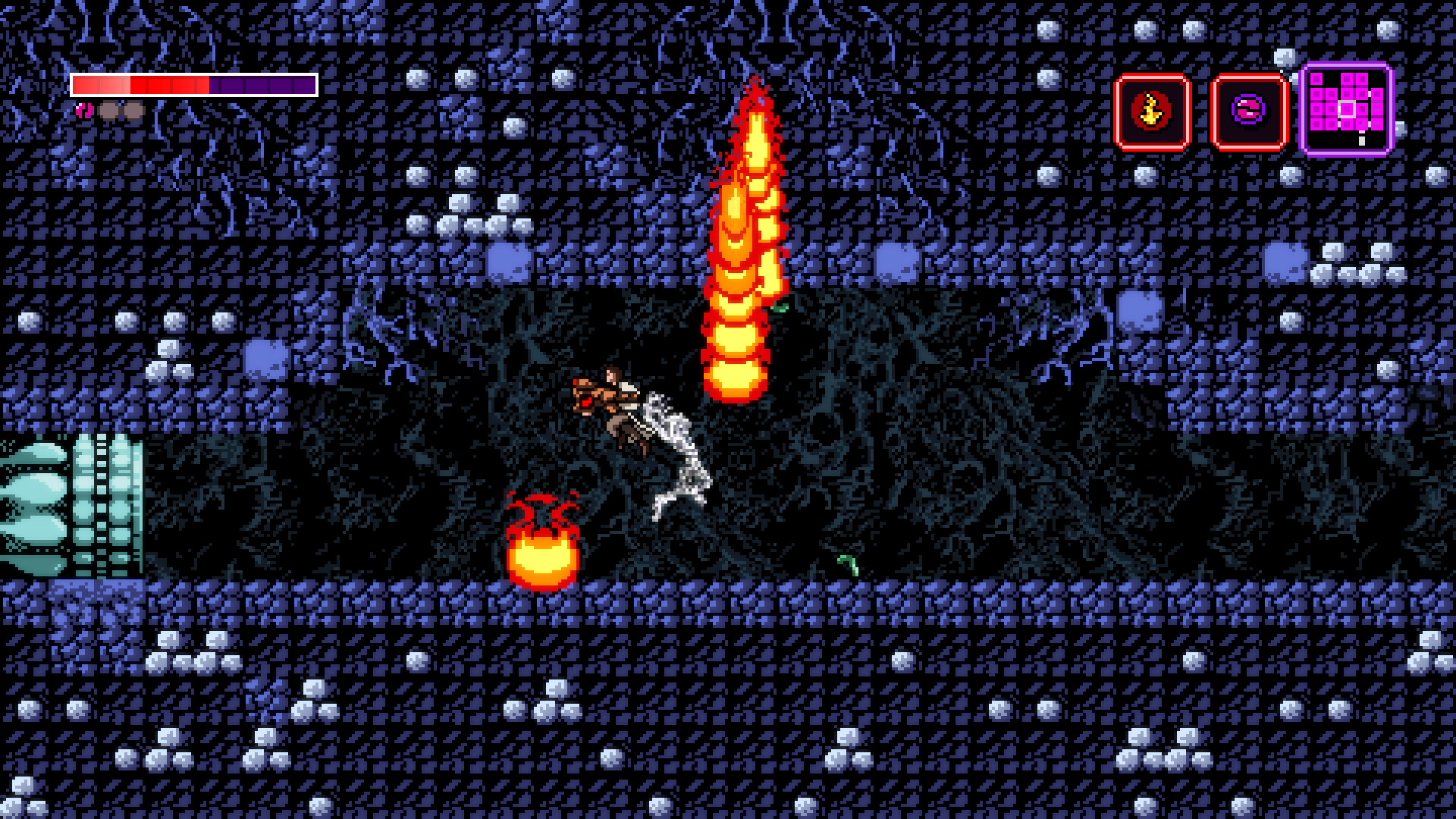
The first task Elsenova gives him is a practical one: the Rusalki are dying because their life-support system — the Power Filter in the region of Zi — has broken down. Trace must cross Absu and Zi, defeat the two monsters Telal and Uruku, and reactivate the filter. When the flow of power returns, Elsenova can speak at greater length, and the other dormant Rusalki across Sudra begin to awaken.
But notice how Elsenova tells her story: she only says what Trace needs to know to keep moving. About Athetos, she gives him no chance whatsoever to learn for himself — he is a devil, end of story. In a tale where the guide character holds all the information, that selective silence is itself a warning.
Chapter 3: Veruska — the Rusalka Who Loves to Hunt
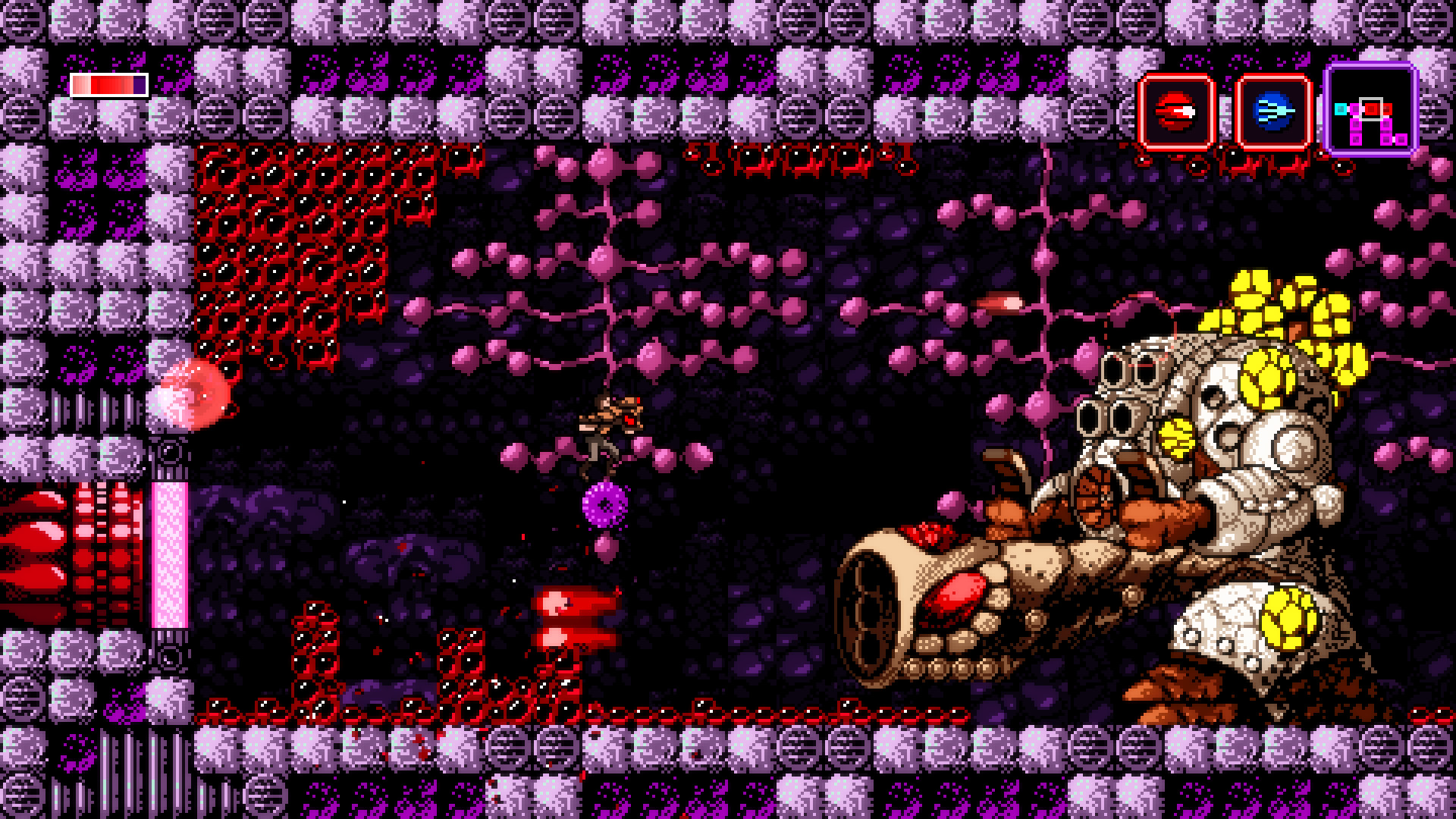
In Zi, Trace meets the second Rusalka: Veruska. Nothing like the measured Elsenova, Veruska introduces herself as a "predator" in the most literal sense — obsessed with organic flesh and blood and the joy of the hunt. Elsenova explains that Veruska is a "dreamer": she can create worlds inside her mind. Veruska is also the one holding the Passcode Tool — a tool she stole from Athetos — and she lets Trace take it from the room behind her dwelling.
This brief encounter matters for two reasons. First, it shows the Rusalki are no uniformly benevolent bloc: each has her own personality, her own obsession after centuries of imprisonment. Second, Veruska — a Rusalka — once got close enough to Athetos to steal from him, right inside his own territory. The "us versus them" line Elsenova drew begins to look far less sharp than her telling suggested.
Chapter 4: The Drone Army and the Surface of Sudra
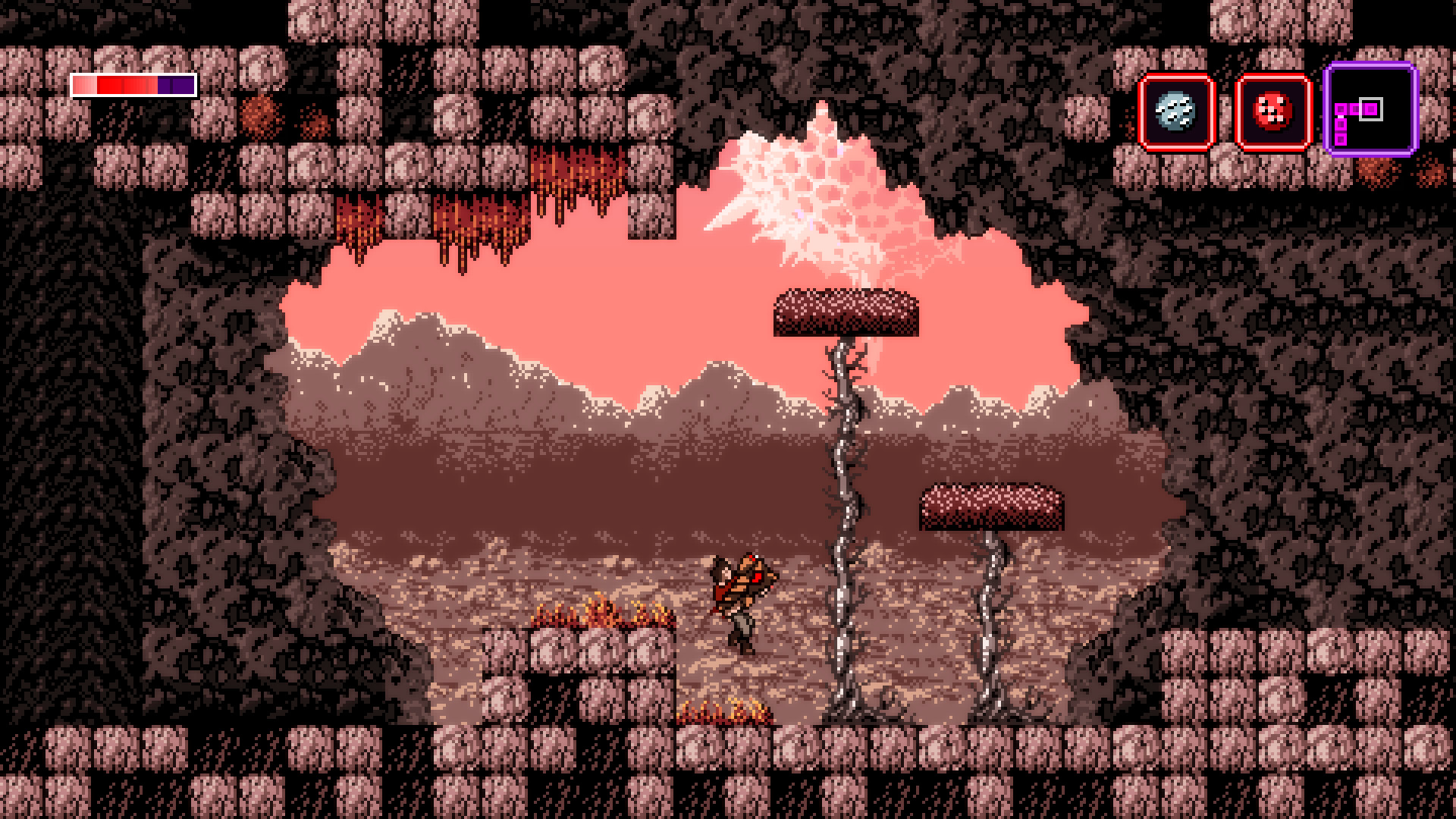
Next comes the climb up to the cavern region of Kur to reactivate the Repair Drones — small machines tasked with repairing the Rusalki's bodies from the inside out, which also rescue Trace mid-battle from time to time. Along the way, Trace defeats Gir-Tab and enters the room holding the corpse of Katrahaska — a Rusalka who died. Elsenova offers only a few terse words about this death and explains nothing more, an evasion players only understand later: Katrahaska once sided with Athetos, and it was the Rusalki faction itself that killed her.
Once the drone team is working again, the Rusalki's bodies begin to be mended. Elsenova assigns Trace the longest leg of the journey: travel all the way to Ukkin-Na to meet Ophelia — the Rusalka considered the "doctor," and the one who understands Trace's condition best. Passing through the region of Indi, he meets Oracca, a silent Rusalka — according to the game's records, she went mad after her long imprisonment — and receives from her a means of travel across Sudra's vast distances.
Chapter 5: The Sickness and the Hallucinations in Ukkin-Na
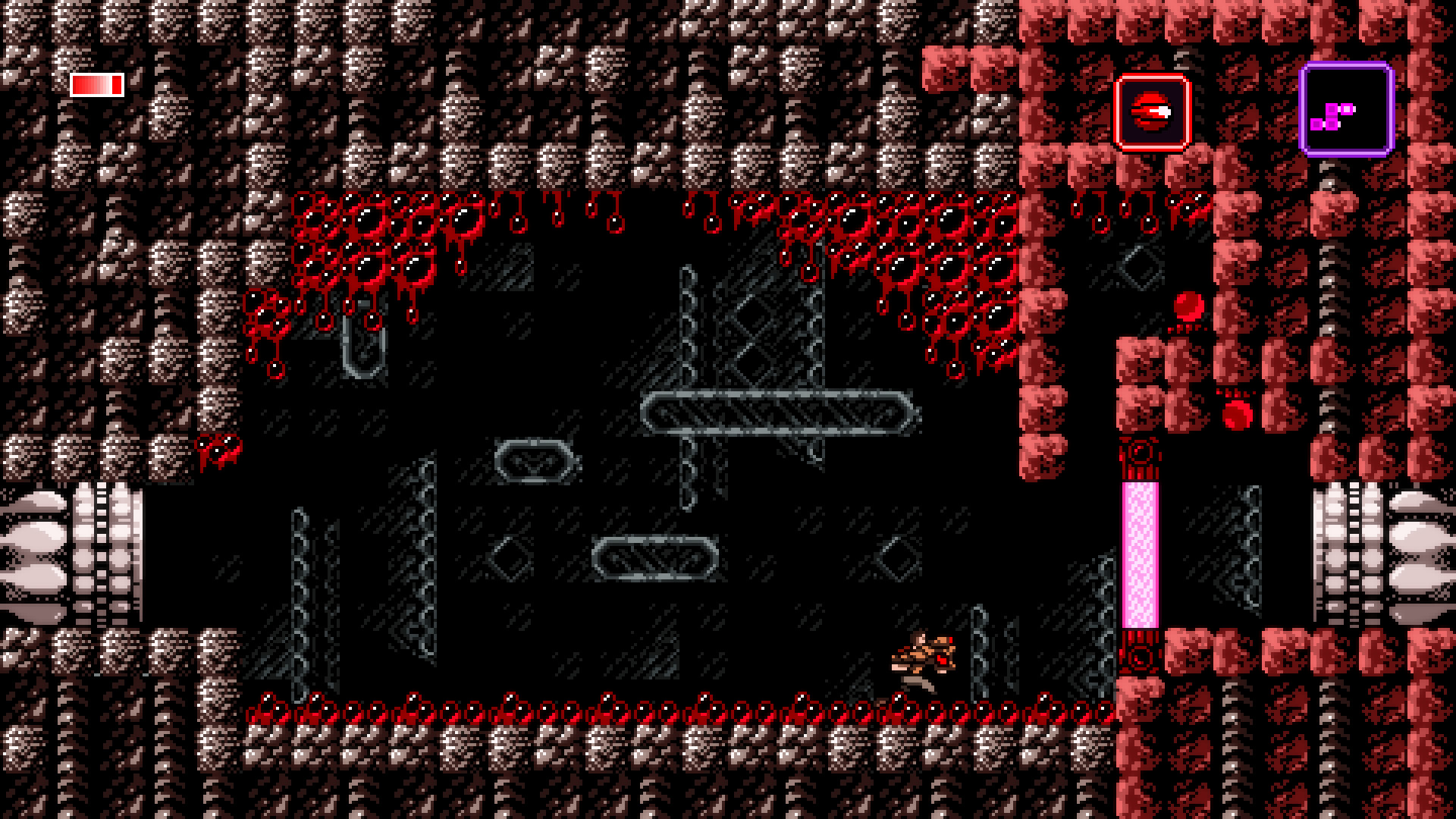
The moment he sets foot in Ukkin-Na, Trace begins burning with fever and dizziness. Elsenova says it is the effect of the pathogen Athetos left behind, and urges him to keep going because Ophelia is very close. But then the hallucinations strike: faces, voices, and even false enemies — hallucinations that are bizarre precisely because they can absolutely kill the real Trace.
The peak is one of the strangest fights in the game: Trace steps into an arena and sees… himself. The player now controls the "hallucination Trace" firing at the real Trace, while Elsenova, from outside, orders him to stand still because she has just reached Ophelia. The hallucination is defeated, and the real Trace collapses from the pathogen — and a Repair Drone silently drags him through Ukkin-Na to Ophelia's chamber.
In his delirium, the true memories come flooding back — memories Trace had misunderstood from the very start of the game. The laboratory explosion never "teleported" him to Sudra: it was just a coincidental pressure valve accident. After the explosion, Trace lay bedridden for months, blind and paralyzed from the waist down; it was in those dark months that his mind found an entirely new way of seeing physics. Sponsored by Dr. Hammond, he published his theory — and was ridiculed and shunned by the scientific community, branded with the nickname "Athetos": the rejected one, the one with no place to belong.
Chapter 6: Ophelia and the Truth About the Clone
Ophelia cures Trace of the pathogen and begins revealing fragments of the truth. Long ago, Athetos — after Earth turned its back on him — crossed the Breach to Sudra together with Hammond. The Sudrans' Rebirth Chamber technology healed all his wounds: his sight returned, his legs walked again. But Athetos believed this technology was too dangerous to bring back to Earth, and the two parted ways; Hammond returned to found the Hammond corporation, while Athetos pressed on to higher worlds. When he came back to Sudra, he was furious to find the Sudrans had forgotten the very origins of their own technology and were worshipping it as a religion. Then came the pandemic, the Breach storm, and the endless war with the Rusalki — each side tells its own version, and no version is complete.
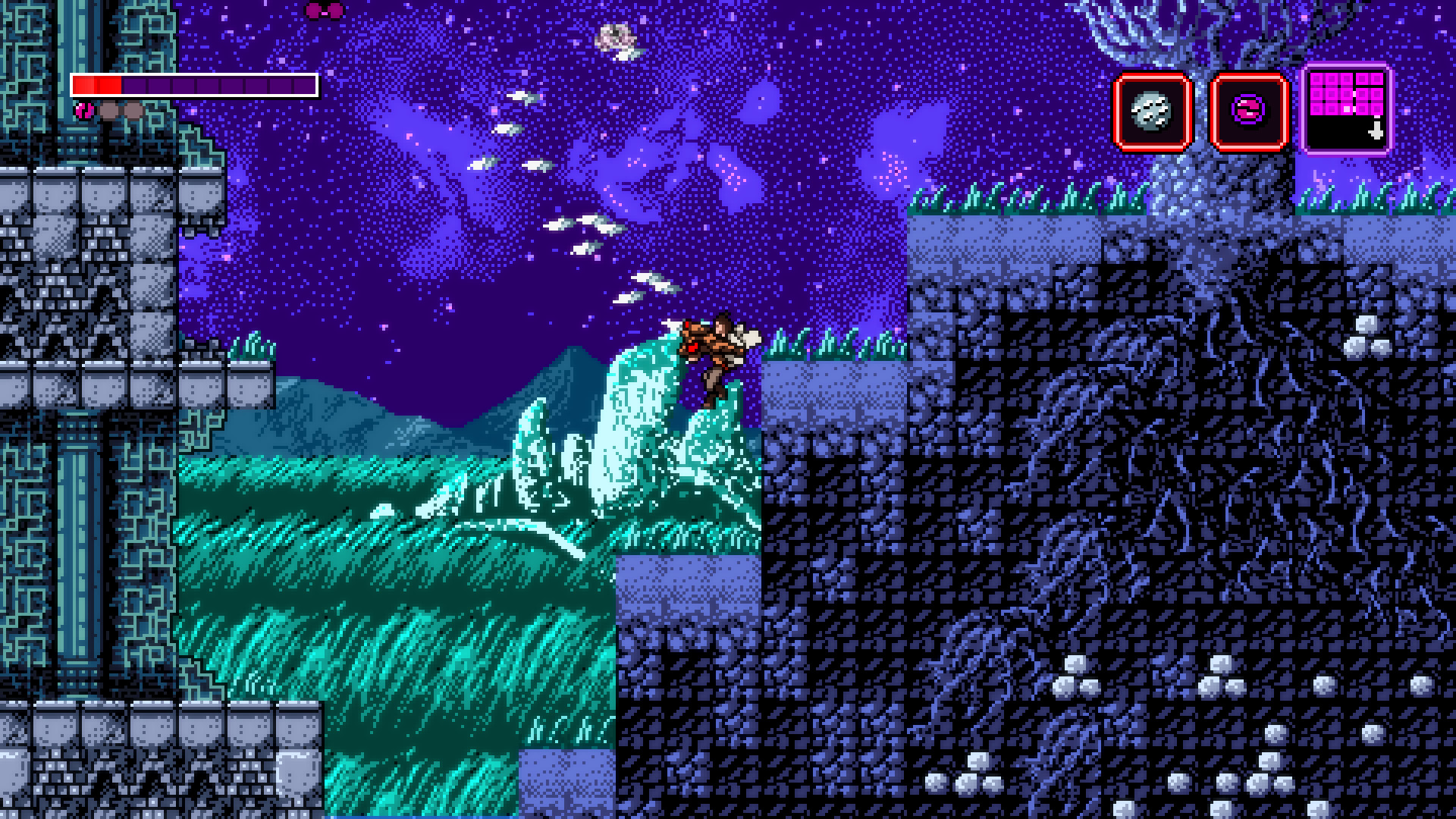
Then Ophelia tells him the most important thing of all: Trace is a PatternMind — and he is not the "original Trace." When Athetos used the Rebirth Chamber years ago, the machine stored a perfect imprint of him. Ophelia used that very imprint, combined with the nanogates of the dead Katrahaska, to create a young clone of Athetos — in the hope that a young Athetos, not yet ruined by bitterness, would agree to help the Rusalki. In other words: Trace was born as a tool, a move in a chess game between two factions.
The task Ophelia gives him sounds gentle: Athetos and the Breach attractor machine are at the top of the elevator above this chamber, in Mar-Uru. Trace need only destroy the attractor machine; the Rusalki will handle the rest. But before he can climb up, he must detour through Edin, receive the Address Bomb and drone teleportation ability after defeating Ukhu — and face an abandoned "failed clone," a reminder that he could so easily have been nothing but a botched experiment thrown away.
Chapter 7: Elsenova Strikes, and the Confrontation at Mar-Uru
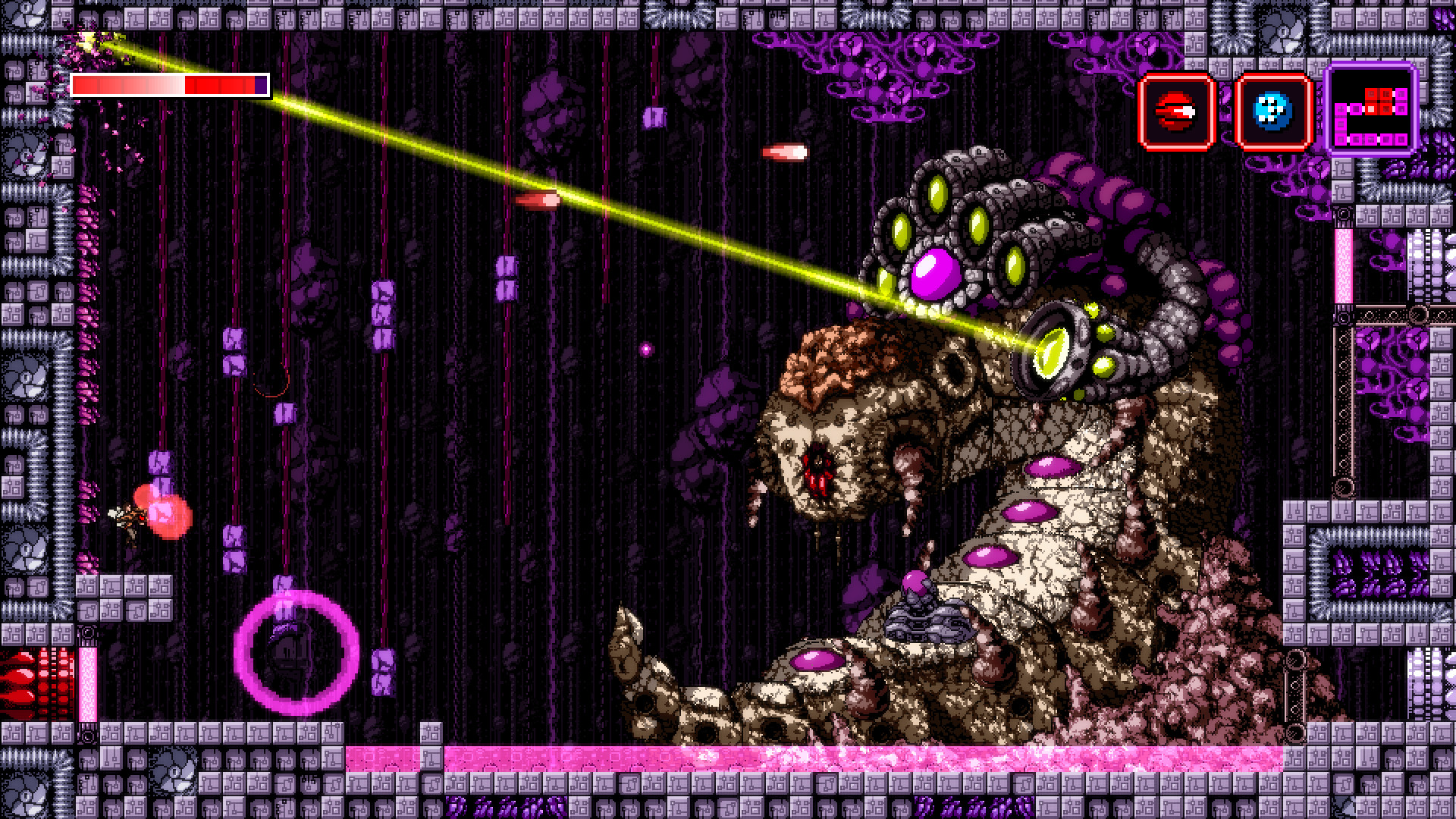
After killing the failed clone (or letting it die), Trace declares he is done: he knows he is Athetos, and he demands to speak directly with the original. Elsenova refuses flatly. When Trace argues back that she cannot force him, Elsenova proves the opposite in the cruelest way possible: she remotely switches off the nanogates in his body — killing Trace on the spot. He wakes thanks to the Rebirth Chamber, and Ophelia has to apologize on Elsenova's behalf, promising that Trace does not need to kill Athetos; turning off the Breach attractor is enough.
Trace climbs to the highest point of Kur, takes the Red Coat that lets him ride the elevator, then enters Mar-Uru, passing the guardian machine Sentinel and Xedur Hul. At the end of the corridor, Athetos is waiting — not as a roaring boss, but as an old man plugged into a life-support chamber, unable to attack on his own, able only to release Donaught machines in his place. Before the fight, he warns that he cannot say too much, because Trace's "captors" will kill him if he reveals it. He explains his anger at the Sudrans, and refuses to shut down the attractor for one chilling reason: the Rusalki are masters of war — unleashing them upon the universe is something he will never allow.
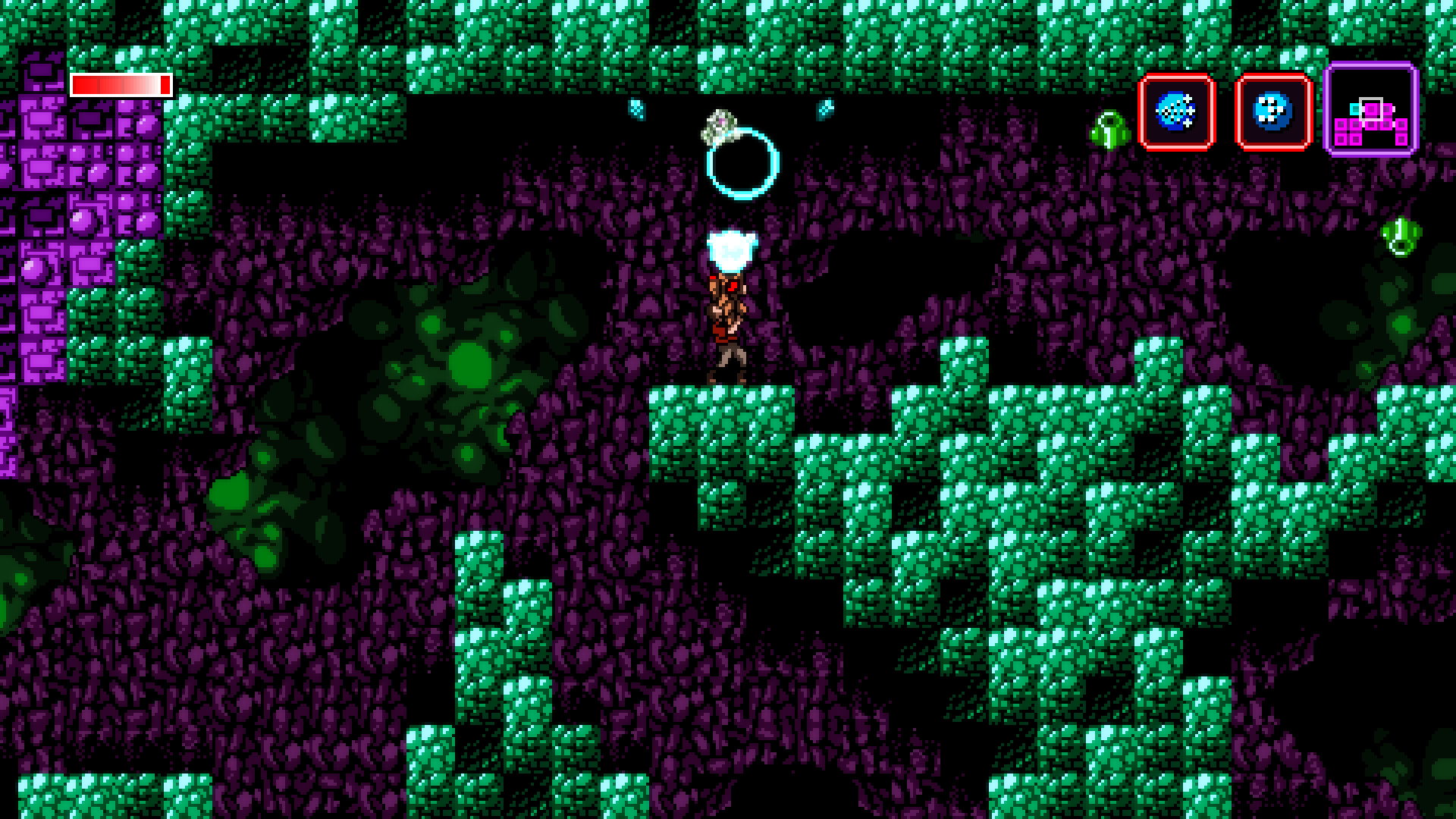
Trace wins. Athetos accepts defeat and tells his clone that everything was unavoidable, that he should not blame himself. But at that very moment, Elsenova breaks her promise: a laser beam from her repaired body pierces Athetos, killing him instantly — even though Trace's mission was only to destroy the attractor. Trace is left stunned, wondering whether Athetos might have been saved, and what he — a clone — even is anymore. Elsenova tells him to rest, that perhaps one day they will meet again. The Rusalki force him into sleep and send him "home."
Chapter 8: Back to Earth — and the Final Gunshot
Trace wakes on Earth, right after the laboratory explosion — but history has been rewritten: this time, the explosion does not injure him. To everyone around him, nothing ever happened. Only Trace knows about Sudra, about the Breach, about another version of himself who died in a machine chamber. He cannot return to his old life: he quits his job and pours all his mind into researching a way back to Sudra — walking the exact path Athetos walked, like a loop with no way out.
And if the player finishes the game with a high exploration rate, a secret ending unlocks: just as Trace is about to succeed in his research, Athetos appears. He tells Trace that "it's time to wake up," and fires. The screen goes black. Was the whole story — Sudra, the Rusalki, the war — real, or only a dream inside the mind of a scientist in a coma after the explosion? Axiom Verge deliberately refuses to answer, and that is its deepest cut of all.
Where the Characters End Up
Trace is sent back to Earth by the Rusalki with a rewritten history, living on haunted by Sudra until he faces Athetos in the secret ending. Athetos dies under Elsenova's laser beam, taking with him the part of the truth he never got to tell. Elsenova and the remaining Rusalki get what they wanted: the Breach attractor is destroyed, and the way off Sudra is open. Veruska continues to exist on Sudra with a body gradually being repaired by the drones. Sudra's story does not end here — it continues in Axiom Verge 2 with the character Indra, in a very different era.
Common Misconceptions
Did the laboratory explosion teleport Trace to Sudra?
No. The explosion was just a pressure valve accident and had nothing to do with Sudra. The Trace in the game is a young clone of Athetos, created by Ophelia from the imprint the original Athetos left in the Rebirth Chamber when he was healed years ago, combined with Katrahaska's nanogates. His memory of "waking up after the explosion" is the clone's starting point, not a teleportation trip.
Was Athetos the one who unleashed the pathogen that wiped out the Sudrans?
Not necessarily. That is the Rusalki's accusation, but many records in the game suggest something more complicated: the Sudrans themselves raised the Breach storm and imprisoned the Rusalki long before, and one theory holds that the pathogen was the Rusalki faction's retaliation, with Athetos made the scapegoat. The game deliberately confirms nothing; both sides have reasons to lie.
Are the Rusalki the good side, oppressed by Athetos?
Not exactly. They truly are victims — torn from their bodies and imprisoned for centuries — but they also lied to Trace from the start, created him as a tool, had Elsenova kill him remotely when he disobeyed, and then broke their promise by killing Athetos even though the agreement was only to destroy the attractor. Athetos called them "masters of war" — a hard judgment to refute.
Was Axiom Verge made by an indie studio over a few years?
No. The entire game — programming, art, music, story — was made by exactly one person, Thomas Happ, starting in March 2010 as a side project while he was still an engineer at Petroglyph Games, and it took about 5 years to complete. It is one of the most famous proofs that a single individual can create a complete, top-tier game.
Is returning to Earth a happy ending for Trace?
Not really. Trace comes home to a rewritten history, with no one believing or knowing what he went through, and he gradually becomes obsessed with returning to Sudra — the exact path that turned his original into the bitter Athetos. The secret ending, in which Athetos appears and fires while saying "it's time to wake up," casts doubt on the reality — or dream — of the entire story.
Theories & Mysteries
Axiom Verge's biggest mystery lies in the question: who is the better liar? Athetos warns that his "captors" will kill Trace if he says too much — and indeed, Elsenova killed Trace once merely for demanding a conversation. The game's records also reveal that Katrahaska once "reached" Athetos and was killed by Ophelia, something hard to explain if she simply betrayed the Rusalki out of selfish motives. The theory the community supports most: the Rusalki themselves unleashed the pathogen on the Sudrans to avenge centuries of imprisonment, while Athetos kept the Breach attractor running to keep these dangerous war entities locked away — making him, from one point of view, the universe's last gatekeeper rather than a genocidal maniac.
The line "it's time to wake up" in the secret ending opens another layer of interpretation: all of Sudra could be a world inside a mind — a "mind world" like the ones Veruska creates — belonging to a comatose Trace, or a layer of reality where the boundary between real and dream no longer matters. Thomas Happ has confirmed none of the theories, and the sequel expands this universe in directions that make everything more ambiguous rather than explaining it.
The Legacy of a Masterpiece Made by One Person
Released in 2015, Axiom Verge scored 84 on Metacritic for the PS4 version, was nominated for Best Independent at The Game Awards 2015, and regularly appears on lists of the greatest metroidvanias of all time. GameSpot praised the Address Disruptor as one of the most interesting tools ever to appear in a game, while Giant Bomb awarded it a perfect 5/5. But Axiom Verge's greatest legacy may be the example it set: an unknown engineer, quietly making a game alone for 5 years after work, producing a world whose true meaning people are still debating more than a decade later. The sequel, Axiom Verge 2, arrived in 2021 with protagonist Indra and a Sudra of a far more ancient era.
This is the first article of the series on Truyện Game — you can browse all the articles in the Axiom Verge story series on the series page. If you'd like another metroidvania journey in the same family, don't miss the tale of a fallen kingdom in Hollow Knight Story Explained.
👤 Main characters
A quick introduction to the central characters of the story — portraits taken from the game itself.
- Occupation
- Physicist
- Origin
- Clone created from an imprint in the Rebirth Chamber
- Weapon
- Axiom Disruptor
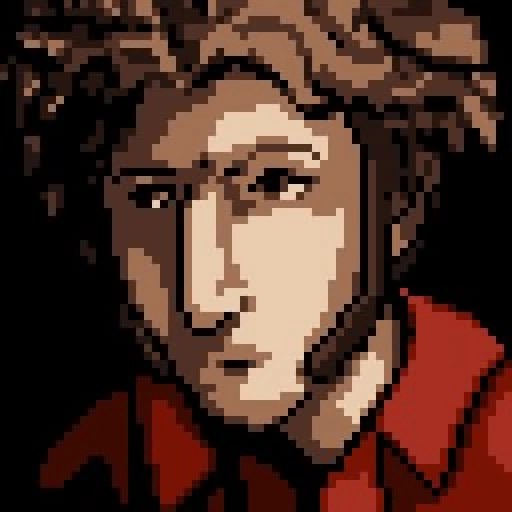
A young clone of Athetos, created by Ophelia from the imprint he left in the Rebirth Chamber combined with Katrahaska's nanogates. Waking on Sudra with no knowledge of his origins, Trace follows the Rusalki's lead until he realizes he is both a pawn and the only one who can decide for himself that he is not the original.
- Species
- Rusalka
- Form
- Giant machine head fixed in Absu
- Role
- Commander of the Rusalki's operation
One of the Rusalki who survived the pandemic, torn from her body and fixed in place in Absu. Elsenova is the voice guiding Trace throughout his journey — but she only tells the parts of the truth that serve her side, willing to kill Trace remotely when he disobeys and to break her promise to kill Athetos at the last minute.
- Real name
- Trace Eschenbrenner
- Nickname
- "Athetos" — the one with no place to belong
- Status
- Kept alive by a life-support chamber in Mar-Uru
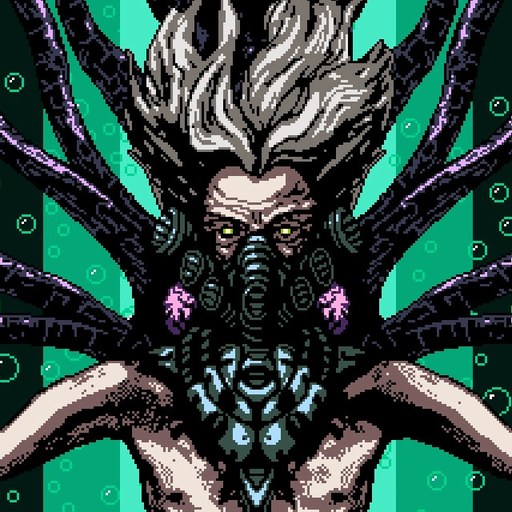
The physicist ridiculed and shunned by Earth's scientific community, who crossed the Breach to Sudra and was healed of every injury by the Rebirth Chamber. Accused by the Rusalki of unleashing the pathogen that wiped out the Sudrans and trapped in an endless war, he kept the Breach attractor running to the very end because he believed that releasing the Rusalki — masters of war — upon the universe would be the true catastrophe.
- Species
- Rusalka
- Base
- Ukkin-Na
- Role
- Creator of Trace, "doctor" of the Rusalki
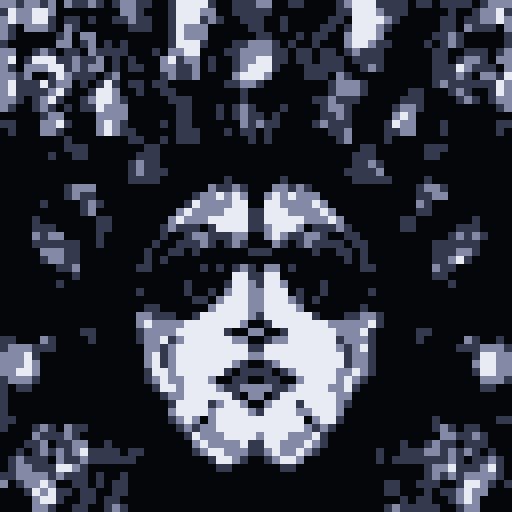
The Rusalka who devised the plan to clone Athetos from the imprint in the Rebirth Chamber and personally created Trace. Ophelia is the first to tell Trace part of the truth about his origins, cures him of the pathogen, and is also the one who steps in to mediate when Elsenova kills him for disobedience.
- Species
- Rusalka
- Trait
- "Dreamer" — creates worlds inside her mind
- Hobby
- Hunting, organic flesh and blood
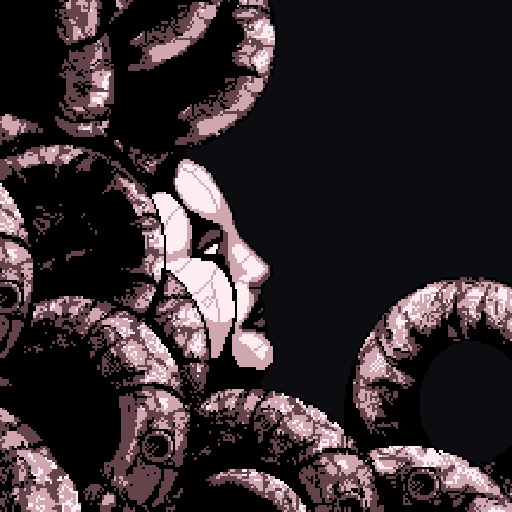
The Rusalka dwelling in Zi, who calls herself a predator in the literal sense and is obsessed with organic flesh and blood. Veruska can create worlds inside her mind, and she is the keeper of the Passcode Tool — a tool she stole from Athetos himself — which she hands over to Trace when he reactivates the Power Filter.