Miquella and Malenia Explained: The Cursed Twins and the Dream of a Kinder World

📋 Quick facts
- Game
- Elden Ring
- Developer
- FromSoftware
- Release year
- 2022 (February 25, 2022)
- Platform
- PlayStation 4/5, Xbox One/Series X|S, PC
- Genre
- Soulslike (open-world Action RPG)
- Director
- Hidetaka Miyazaki
- Worldbuilding
- George R.R. Martin & Hidetaka Miyazaki
- Notable feature
- An in-depth analysis of the twins Miquella and Malenia, including the Shadow of the Erdtree expansion
- Expansion
- Shadow of the Erdtree (2024)
In a family full of ambitious and deranged demigods, the youngest twins of the Elden Ring royal line were the two kindest souls of all — and that is precisely why their story is the game's greatest tragedy. Miquella, the genius child cursed never to grow up, spent his entire life seeking a cure for his twin sister Malenia, who is rotting from within by the Scarlet Rot. They did not fight over a throne, did not tear Great Runes from one another; they walked away and grew a tree of their own, for those the world had cast aside. This analysis delves deep into Elden Ring's most mysterious twins: the double curse, the Haligtree, the bloom in Caelid, the stolen cocoon — and the controversial answer delivered by the Shadow of the Erdtree expansion. Warning: this article spoils the entirety of the base game and the DLC.
📌 Quick summary: The youngest twins of the Elden Ring royal line are its two kindest souls — and its most tragic. Miquella, the genius child cursed never to grow up, spent his life healing his sister Malenia, who rots from the Scarlet Rot: forging the golden needle, growing the Haligtree for the forsaken. But his cocoon was stolen by Mohg, the Rot bloomed over Caelid — and the expansion reveals the true price of that “kindness.”
Two Children Born of a Single God
Miquella and Malenia are the children of Marika and Radagon — and as the main story article analyzed, Radagon is Marika. The two children, in the words of old Gowry in Caelid, are “children of a single god” — and the price of that overly pure bloodline is that both were born afflicted: because they were born of a single god who had conceived with herself, both are Empyreans, candidates to succeed to godhood — but one was cursed with eternal childhood, never to mature; the other harbors within her the Scarlet Rot, a decay that will corrode her from within for her whole life.
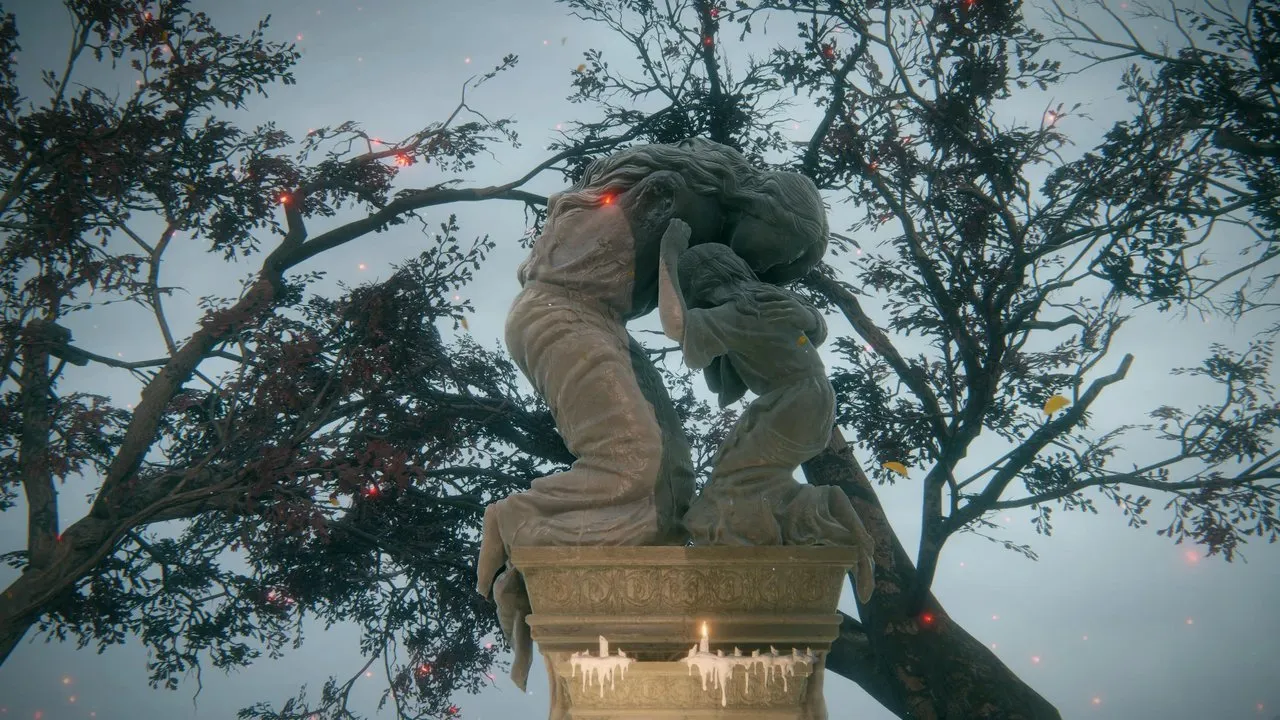
One detail is often overlooked: in the entire royal family, these twins are the only two demigods who truly love each other unconditionally. Godrick scorns his ancestors, Rykard betrays everyone, Mohg and Morgott are two opposing halves of the same wound, Ranni kills her half-brother without blinking. Only Miquella and Malenia form a single united whole: everything Miquella does is for Malenia, and Malenia defines her entire being with a single line — “I am the blade of Miquella.” Statues of them scattered across the Lands Between always carve the same image: the small brother embracing his sister, or the sister kneeling beside him — a symbol of tenderness so out of place in a FromSoftware world.
Miquella — The Genius Child Who Wanted to Fix the World with His Own Hands
Miquella is described by every character in the game in words no one uses for any other demigod: “the most fearsome Empyrean of all” (in the opening words of Sir Gideon and the game's own introduction), the one with “the wisdom and allure of a god.” But what defines Miquella is not power — it is his journey of rejecting one system after another. As a child, Miquella was a prodigy of Golden Order Fundamentalism, the scholarly school of the Golden Order; he even created incantations as gifts for his father. Then he abandoned Fundamentalism — according to item descriptions, because it “could do nothing for Malenia.” His mother's Order, for all its radiance, was powerless before his sister's curse. So he would build another order himself.
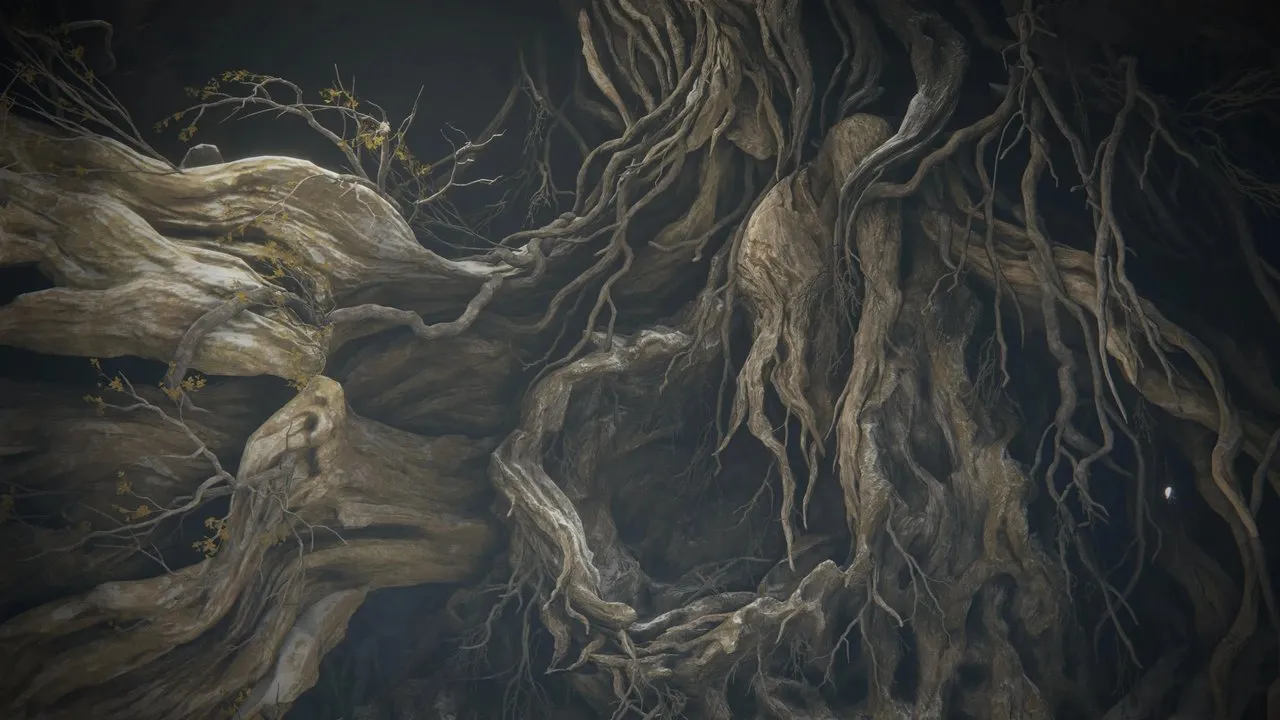
Miquella's legacy is Unalloyed Gold — pure, unmixed gold with the power to ward off the intervention of outer gods, including the Scarlet Rot itself. The needle made from that gold, embedded in Malenia's body, is the only thing holding her decay at bay. He nurtured a seed into the Haligtree — a sacred tree to rival the Erdtree, watered with his own blood, at the far end of the frozen north, as a sanctuary for everyone the Order had cast out: the crippled Albinaurics, the misshapen Misbegotten, those with no place in his mother's world. And his ambition did not stop at healing: at Castle Sol, Miquella's sorcerers attempted the Eclipse ritual to resurrect the soul of a lost “comrade” — almost certainly Godwyn, the elder brother left half-dead in the Night of the Black Knives. The ritual failed (“Castle Sol cannot save their prince — the sun, swallowed, has yet to stir the soulless one's soul,” in the words of the despairing ghost in the castle), but it reveals the scale of Miquella's dream: he wanted to fix death itself.
Malenia — The Blade and the Blind Swordmaster
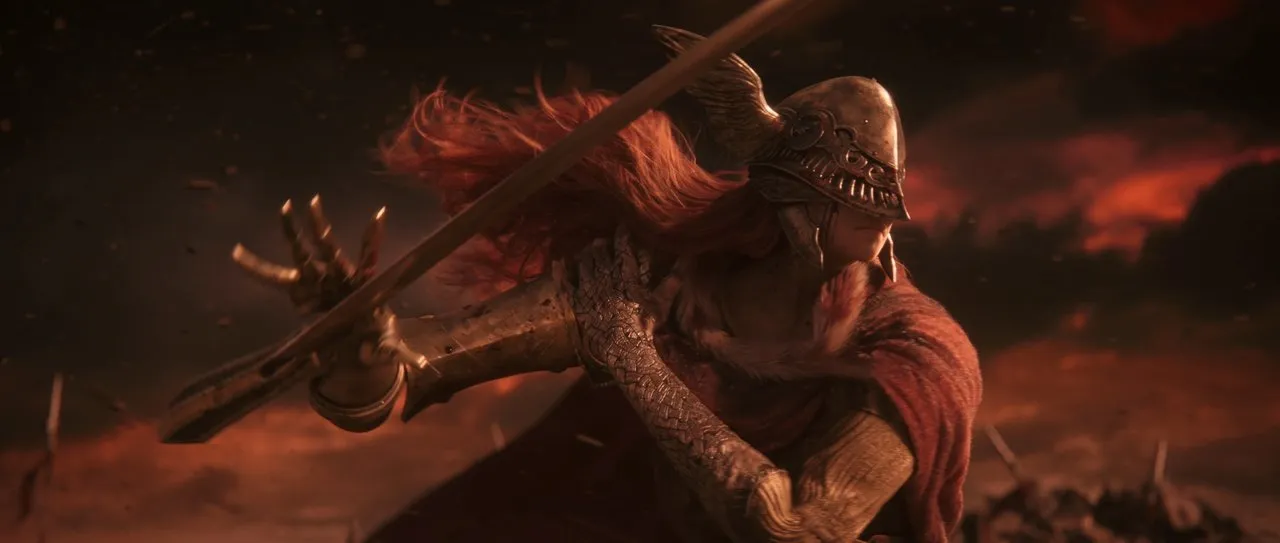
If Miquella is the brain, Malenia is the twins' will of steel. Born already rotting: the Scarlet Rot took from her an arm, both legs (below the knee) and her eyes — what players see are prosthetics of unalloyed gold crafted by her brother. The only thing the Rot could not take was her swordsmanship. Legend tells that Malenia was taught by a legendary blind swordsman — the man who once, single-handedly, sealed away the ancient God of Rot itself beneath a lake in Liurnia (today's Lake of Rot). That teacher's philosophy lies in the katana of the blue-dancer swordsmen: flowing water never stagnates, never rots — ceaseless motion is the only way to resist stagnant decay. Malenia turned that philosophy into her fighting style: the Waterfowl Dance, her famed dance, is the embodiment of water that never stands still.
Around Malenia are the Cleanrot Knights, knights sworn to serve a mistress who is herself decomposing — and the most moving story belongs to Knight Finlay: when Malenia fell unconscious after the battle of Caelid, Finlay alone carried her on her back, walking halfway across the kingdom, fighting all along the way, bringing her home to the Haligtree — then died of exhaustion and the Rot. Finlay's ashes are among the spirit summons players treasure most, for they encapsulate the loyalty these twins inspire in those around them: none of the other demigods commands such willing devotion.
Caelid — The First Bloom, and a Question No One Has Answered
The biggest question among Elden Ring analysts: why did Malenia march south and challenge Radahn in Caelid? The game never says it outright. The most credible theories revolve around Miquella: Radahn was “holding” the stars — and Miquella's fate and rituals (above all the Eclipse at Castle Sol, which needed the heavens to move again) were frozen along with them; killing Radahn was the only way to free the sky. Another theory holds that Malenia went searching for her missing brother and suspected Radahn's involvement. Whatever the reason, everyone knows the outcome: the two mightiest demigods fought each other to exhaustion, and when for the first time in her life Malenia stood on the brink of defeat, she broke the thing that had restrained her all her life — she pulled out the golden needle and let the Scarlet Rot bloom in the middle of the battlefield of Aeonia.
That bloom did not kill Radahn — it turned him into a raving beast, turned Caelid into a land of red rot forever, and left Malenia unconscious within the flower. “Malenia has never known defeat” — but Caelid is proof that her only victory over Radahn was paid for with the very thing she hates most about herself: she won by her curse, not by her sword. The detail that makes it a tragedy: according to the description of Scarlet Aeonia, each time the flower blooms, the rot within her advances another step; the flower has bloomed twice — once in Caelid, and once more in the fight against you in the game — and when it blooms a third time, she will truly become the Goddess of Rot. Malenia fights, in the end, to postpone that very day.

The Empty Cocoon — Mohg and the Strangest Abduction in the Lands Between
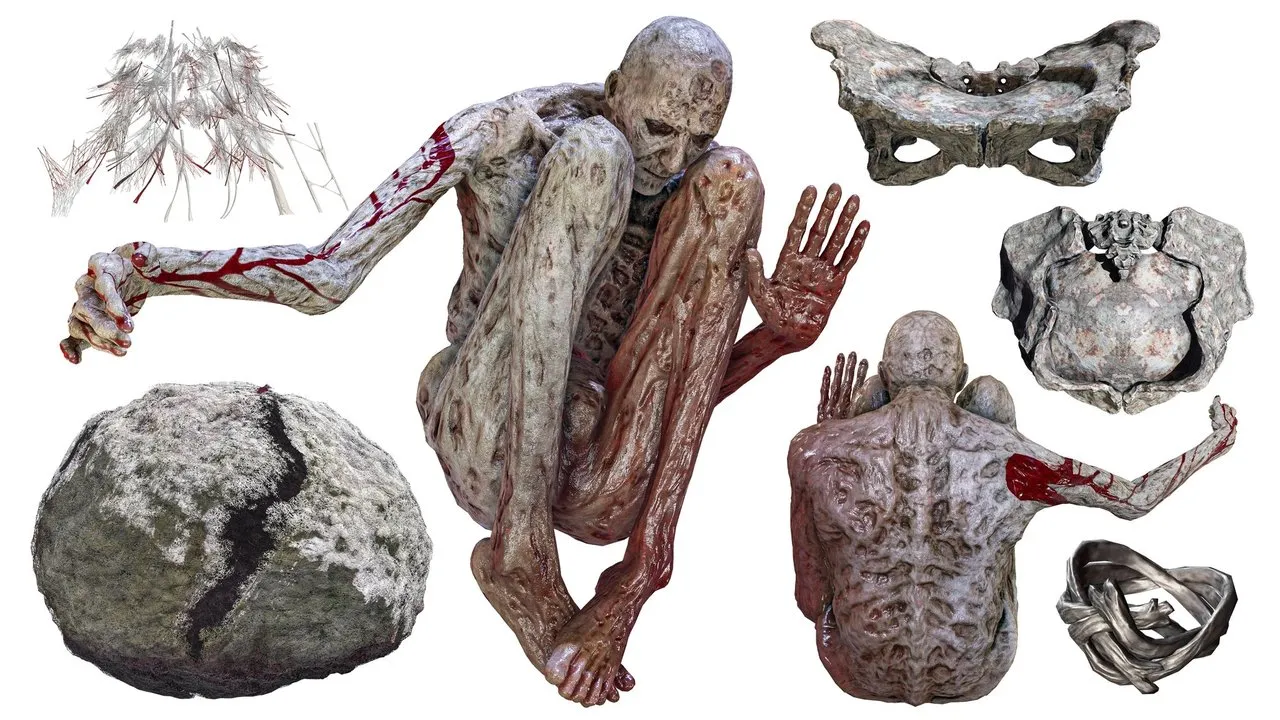
While Malenia marched south, the real disaster happened at home. Miquella, after embedding himself in a cocoon at the base of the Haligtree to “grow” beyond his curse of childhood, was stolen away in his sleep. The thief was Mohg, Lord of Blood — Morgott's cast-out twin brother, who had given himself to the Formless Mother, another outer god that worships blood and wounds. Mohg carried the cocoon back to the underground Mohgwyn Palace, placing Miquella at the center of a new dynasty: he would be the consort, the king, while Miquella — after being “nourished” on the sacrificial blood of countless victims — would ascend as god of the Mohgwyn dynasty.
But Miquella never responded. Across the ages, no matter what Mohg did — sacrifices, supplications, embracing the cocoon — his future god remained in absolute silence, the body in the cocoon withering into a gaunt form with only an arm dangling out. When the player arrives, that cocoon is one of the game's most haunting images: a god never born, turned into an ornament for a madman's lovesick dream. At least, that is how the base game let players understand it for two years. The truth — according to the DLC — is far more tangled, and will be discussed at the end of this article.
Miquella's Needle — A Golden Thread Through Three Fates
Among Elden Ring's items, few carry as many stories as Miquella's needle of unalloyed gold. It began as a medical device: Miquella crafted the Unalloyed Gold Needle to embed in Malenia's body, halting the God of Rot's interference with its host — note its subtle mechanism: the needle does not cure the Rot, it freezes the influence of an alien god upon a person, turning Malenia into a sealed fortress rather than a battlefield. When Malenia broke the needle herself to bloom in Caelid, the broken shard fell in the Swamp of Aeonia and, ages later, came into the hands of Commander O'Neil — then passed through old Gowry, was repaired, and was embedded in the chest of another nameless girl also dying of Rot: Millicent.
The needle's journey closes where no one expected: after Millicent dies and leaves behind the needle, now imbued with “her sense of pride” (in the item description's exact words — the last thing of hers given back to you), the player can carry it to the arena of Dragonlord Placidusax in Farum Azula — a point outside the flow of time — to perfect it into Miquella's Needle, the only needle that can subdue the Frenzied Flame, a power that not even the gods can take back. Think about it: the greatest practical legacy Miquella left the world is not the dead Haligtree, not the unborn dynasty — but a small needle, passing through the hands of three women and one wanderer, becoming the only thing in the universe that can say “no” to a god. That is how FromSoftware sums up Miquella's entire philosophy: save the world not with a throne, but with interventions that are small, precise, and deeply human.
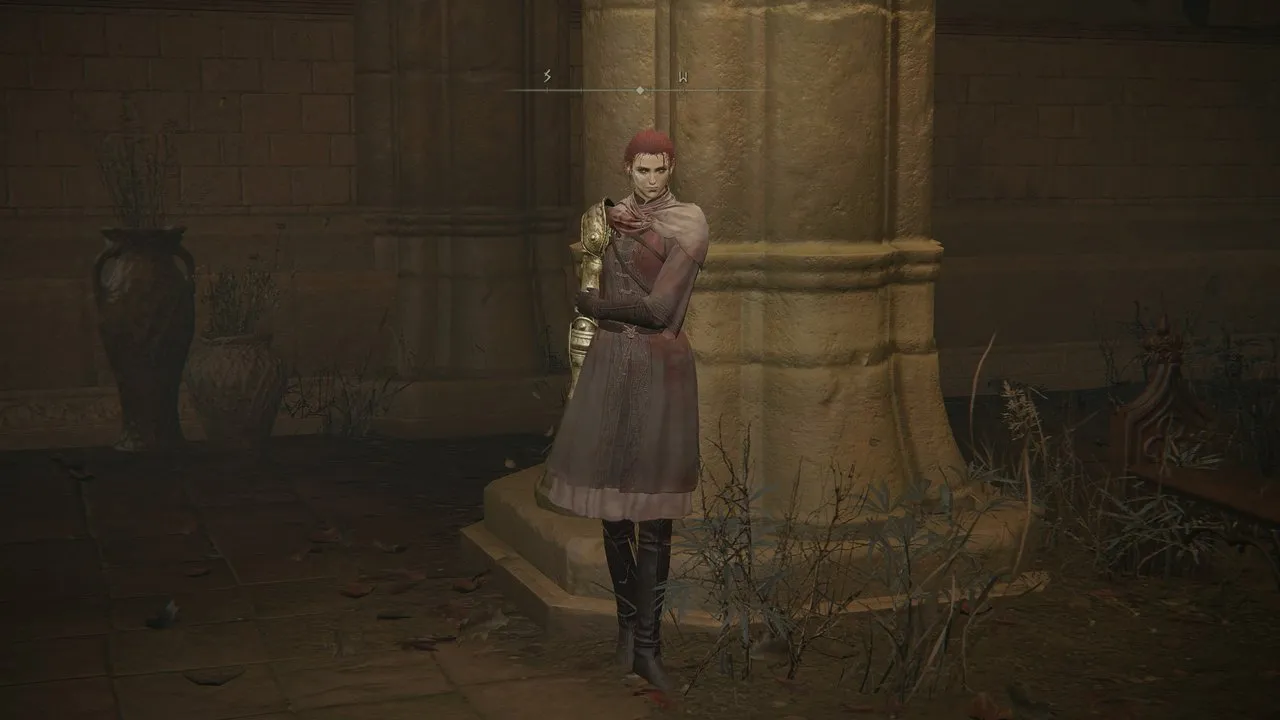
Millicent — The Flower That Refused to Bloom
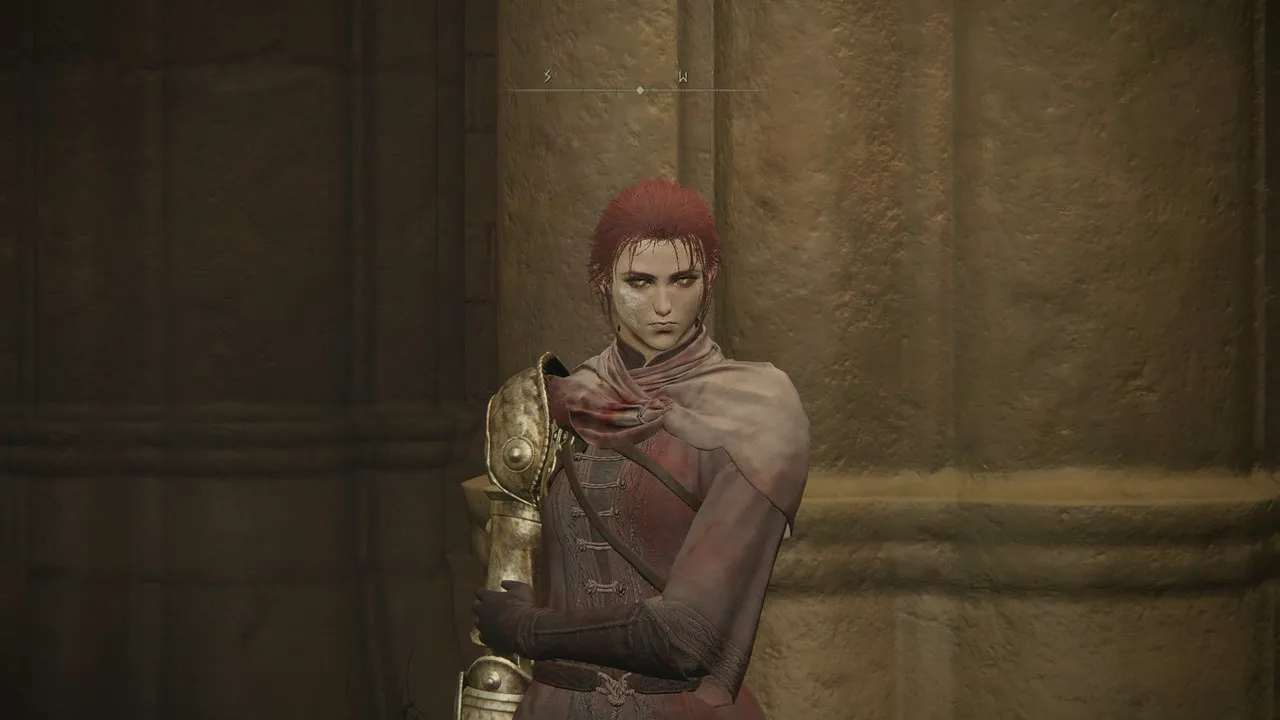
You cannot understand the twins without Millicent — the girl born from Malenia's own Aeonian flower. Millicent is not Malenia reborn; according to Gowry, she and her sisters are “buds” split off from the goddess of rot — fragments of Malenia's will that she cast away when the flower bloomed: her pride, her will to resist, her sense of self. Millicent's journey is the reverse of Malenia's: she goes in search of “herself” and of what belongs to Malenia, to return it — and when she stands before the choice of becoming the gods' next flower (as her sisters and Gowry wish), she pulls out the needle and chooses to die as a human being.
Placed side by side, Millicent is the cruel mirror of the twins: Malenia fought her whole life not to become the Goddess of Rot, yet still had to bloom when she lost; Miquella rejected every divine system, yet went seeking godhood himself; and Millicent — the weakest, the least powerful of all — is the only one in the entire story who truly defeats fate, by refusing it. FromSoftware seldom writes its message plainly, but through Millicent the message is all but spoken aloud: what makes a person is not what they were born with, but what they refuse to lose.
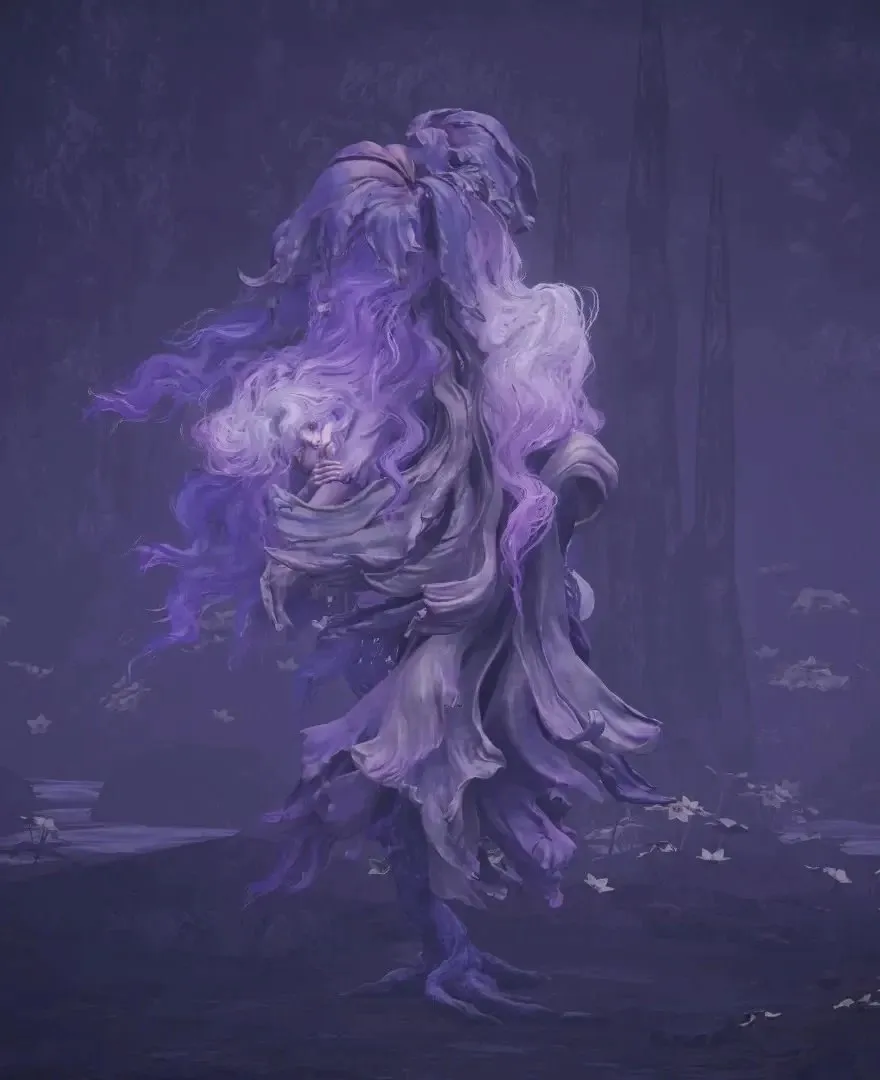
St. Trina — The Saint of Sleep and the Forgotten Other Half
Even before the DLC arrived, St. Trina was already one of Elden Ring's top-tier mysteries. She is the enigmatic saint of sleep who appears in item descriptions: a figure who flickers in and out of view, described contradictorily — “some say she is a young girl, others a young man” — tied to purple lilies, sleep arrows, and devotees seeking eternal slumber. The items connected to Miquella and Trina overlap suspiciously: Miquella's Lily and Trina's Lily are sister flowers, and statues of Trina always appear in places tied to Miquella.
The theory the community believed early on — that St. Trina is another persona, an “other half” of Miquella, just as Radagon is Marika's other half — was confirmed by Shadow of the Erdtree in the most painful way possible. But even in the base game, Trina's existence was an important design clue: it showed that Miquella also carries within himself the same “two souls in one body” structure as his divine mother — and that inheritance, as the next section will show, is another curse no golden needle can restrain.
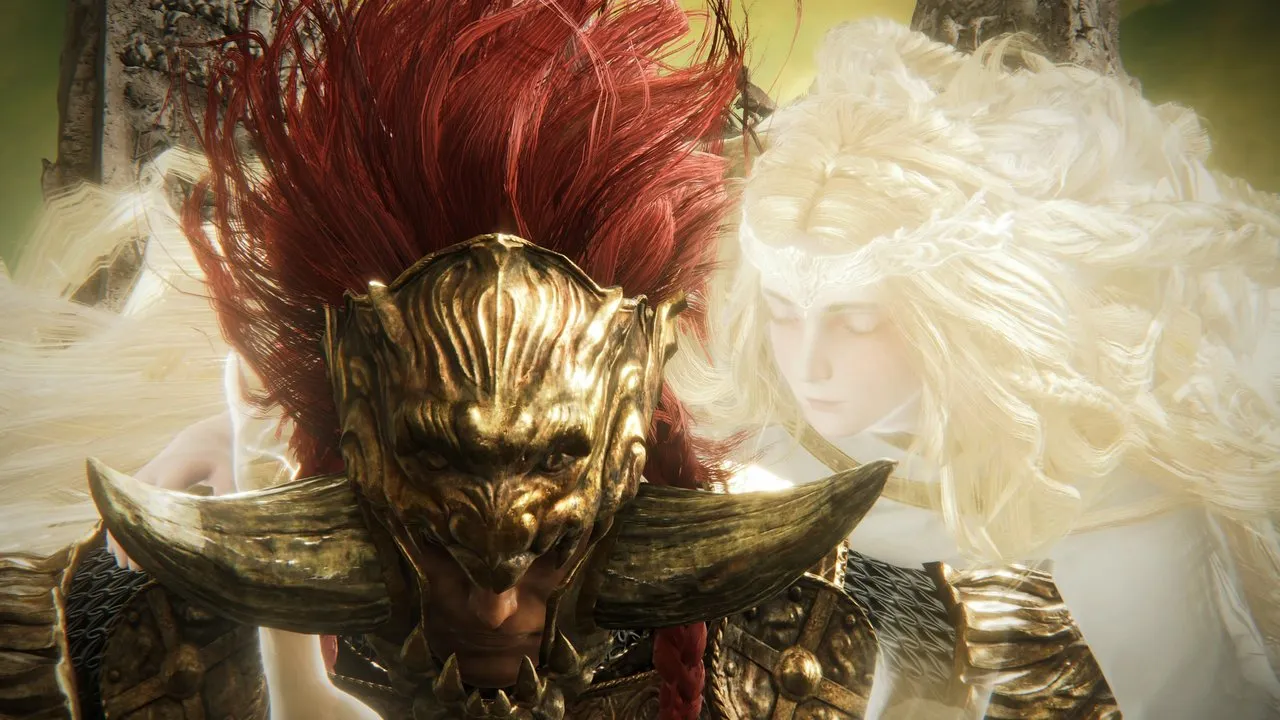
Shadow of the Erdtree — The Answer, and the Cage of Godhood
The 2024 expansion overturns nearly everything players thought they knew. Miquella was never a passive victim inside the cocoon: long before he was “abducted,” he had used his most terrifying power — the ability to make every living being love and obey him absolutely, that “allure of a god” the base game had hinted at — on Mohg himself. Mohg, who thought himself the manipulator, was in truth a charmed puppet from the start: Miquella needed his body (a demigod's frame bearing Omen blood) as a vessel, needed his death to open the way into the Land of Shadow, where Marika had once ascended to godhood.
In the Land of Shadow, Miquella retraced his mother's path but resolved to “correct” it: he cast away, one by one, the parts of his own divinity — his body, his strength, his fate — and finally the most precious thing of all: his own love and compassion, embodied as St. Trina, whom he let fall into the depths in the form of a withered flower. And so at the Gate of Divinity, Miquella returned in the form of a true god, bringing with him his “Promised Consort”: Radahn, resurrected in Mohg's body — the mightiest, kindest general (by his ideal) to serve as Elden Lord for the Age of Compassion he envisioned. Every piece fell into place: why Malenia had to kill Radahn in Caelid (so his soul would be free for the childhood vow between the three of them), why Mohg went mad over a cocoon that never answered.
Along Miquella's path through the Land of Shadow stand the crosses (Miquella's Crosses) planted at each place where he cast away a part of himself, each carved with a chilling line of monologue: “I abandon here my right arm,” “I abandon here my eye” — and the further it goes, the less the things abandoned are body parts, and the more they are his humanity: “I abandon here my love,” “I abandon here my fear and my doubt.” FromSoftware tells the DLC's biggest story without a single cutscene: only a trail of crosses running across the map, and the growing heaviness in the player's heart as they realize this kind god is surgically cutting away everything that makes him himself, in exchange for a “pure” godhood no longer burdened by emotion.
But the analysis of Miquella only reaches its destination when you listen to those who followed him. Sir Ansbach, Mohg's loyal old knight, after breaking free of the charm, declared Miquella's power “truly terrifying” — a coerced love more horrifying than any violence. Thiollier, the devotee of St. Trina, trembled to realize that the kind god had cast away his own compassion with his own hands. And St. Trina — that discarded piece of love — when found by the player in the depths, asks for one thing only, repeated over and over in her thousand-year sleep: kill Miquella, do not let him become a god — for godhood is a cage, and the one she loves most is willingly walking into it. That is the final verdict on Miquella: the boy who wanted to save everyone ended up having to be saved from his own dream of salvation.
The Characters' Fates After the End of the Game
Malenia: if the player never seeks out the Haligtree, she still sits beneath the tree awaiting her brother's return — forever. If defeated, the giant flower left behind in her arena is the seed of a third blooming, no one knows when. Miquella: in the base game, his fate stops at the silent cocoon; the DLC gives him a complete ending — stopped by the Tarnished themselves at the Gate of Divinity before the Age of Compassion could begin. Mohg: dies at the player's hands still believing his dynasty is about to take shape — one of the game's most hateful yet pitiable deaths once the truth of the charm is revealed. Millicent: departs in the way she chose, and the needle she leaves behind is the only thing that can help the player reject the Frenzied Flame — the final legacy of Miquella's line of unalloyed gold. St. Trina: remains in the depths of the Land of Shadow, blooming in sleep after Miquella's death — and, for the first time, at rest.
Common Misconceptions
Did Malenia actually defeat Radahn?
Nobody won at Aeonia: Radahn lost his mind, Malenia fell unconscious and had to be carried home, and an entire land died with them. Malenia's claim of having “never known defeat” is a declaration of will and a swordsman's honor — not a record of results, and she herself understands its price better than anyone.
Was Mohg simply a perverse kidnapper?
Not exactly. The base game deliberately lets you think so; the DLC confirms Mohg was charmed and used by Miquella from the start, though his ambition for a dynasty of blood was real. He remains an Omen who worships the Formless Mother and wants to build the Mohgwyn dynasty — only the role of “mastermind behind the abduction” does not belong to him.
Was Miquella the kindest of them all, and is his ending unjust?
Not exactly. FromSoftware builds Miquella as a deliberate paradox: kindness paired with the power to compel love are two faces of the same character, present since the base game rather than the DLC “smearing” him. His ending is therefore the logical destination of a child god who wants to fix the world by stripping everyone of their will.
Is Millicent Malenia reborn?
No. She is a bud split off from Malenia's flower, carrying the qualities Malenia lost, not a copy or a next life of the swordswoman. Gowry calls her and her four “sisters” buds born from Malenia's flower after the battle of Caelid.
Unresolved Theories
The third blooming of Malenia. In-game items state plainly that the flower will bloom again, and then Malenia truly becomes the Goddess of Rot. The flower left behind after the boss fight is proof she has not died in the ordinary sense — is that a promise of future content, or simply FromSoftware's way of saying a curse is never killed, only postponed? Did Miquella truly choose everything willingly? Part of the community argues that Miquella's charm is the defensive instinct of an Empyrean child rather than a cold conspiracy — and that him casting away his own compassion shows he too is a victim of the divine road his mother walked. What will become of the Haligtree? Miquella's sacred tree is rotting from its roots now that its master will never return — but it remains the last refuge of the forsaken, and in a post-Elden Ring world, it may be the most important seed left.
👤 Main characters
A quick introduction to the central characters of the story — portraits taken from the game itself.
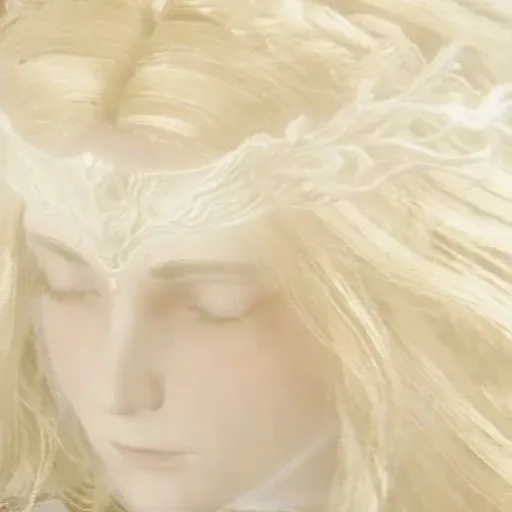
Miquella is the demigod described as “the most fearsome Empyrean of all” — not for destructive power, but for the wisdom and allure that make every living being love him absolutely. He abandoned the Golden Order when it proved powerless before his sister's curse, grew the Haligtree himself as a home for the forsaken, and embedded himself into the tree to grow up — before being stolen away and drawn onto the road to godhood, whose price even he did not fully foresee.
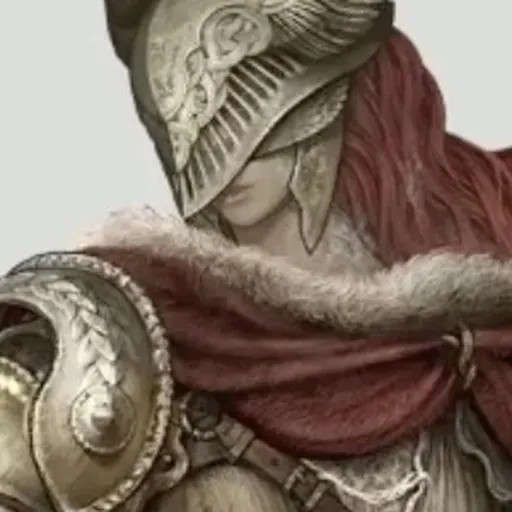
Malenia's entire being is contained in one line: “I am Malenia, Blade of Miquella.” She fights against her own rotting body with the swordsmanship of flowing water, learned from the legendary blind swordsman. After the great duel in Caelid, she sits beneath the Haligtree for a thousand years awaiting her brother's return — loyal, undefeated, and turned by her own curse into a ticking time bomb for the whole kingdom.
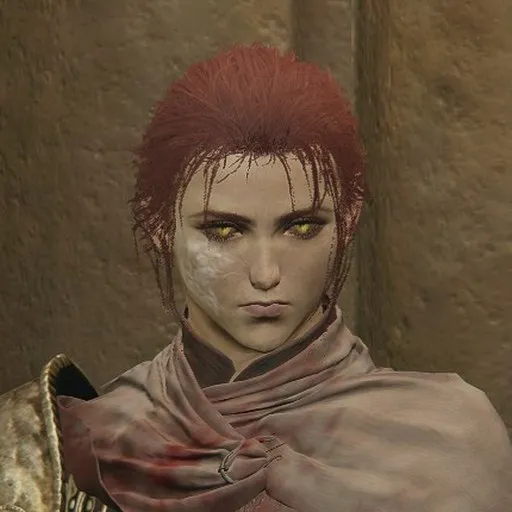
Millicent is the living fragment of Malenia — and Elden Ring's most beautiful paradox: the weakest figure in the story is the only one who defeats fate, by refusing to become a goddess. She pulls out the golden needle and chooses to die as an ordinary human, leaving behind the lesson that both mighty twins failed to learn: letting go is also a way of winning.
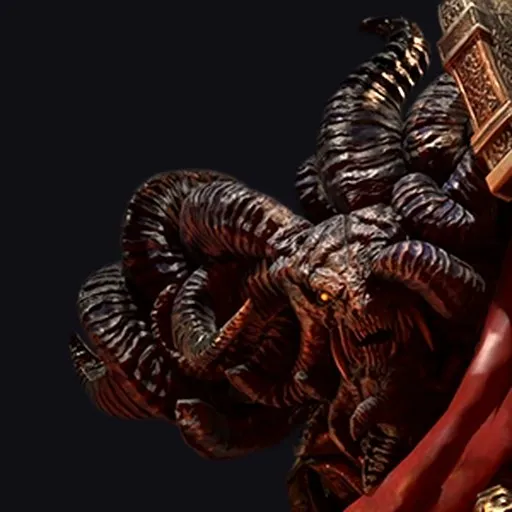
Mohg believed himself the great manipulator: kidnapping Miquella, nourishing the future god on sacrificial blood to build a dynasty of his own. The DLC's truth overturns it all — Mohg was charmed and used by Miquella from the very beginning, his body chosen in advance as the vessel for Radahn's soul. A blood-soaked villain, and at the same time the most pitiable puppet in the Lands Between.
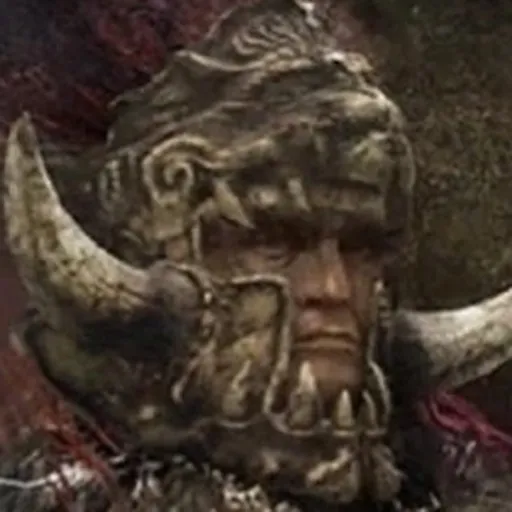
In Miquella's plan, Radahn is not merely the opponent in Caelid — he is the final destination: the “promised consort” of a childhood vow sworn among three royal children. His death at the Festival is the condition that sets his soul free, and his resurrection in Mohg's body is the final piece of the Age of Compassion — turning the battle of Caelid into a tragedy arranged in advance.
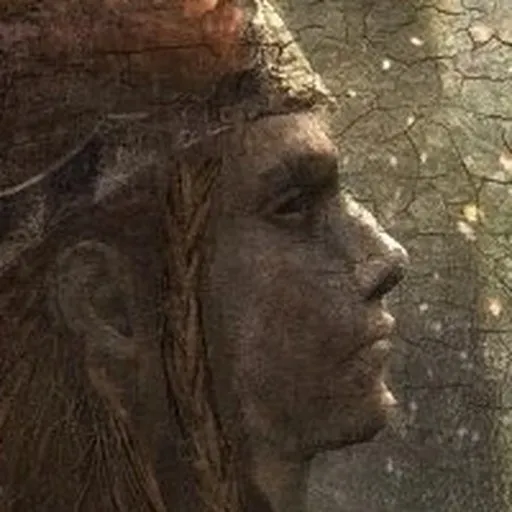
The greatest legacy Marika/Radagon left Miquella and Malenia is not a throne, but the curse of an overly pure divine bloodline: both children were born afflicted, and Miquella — like his parents — carries within himself an “other half” in St. Trina. To understand the twins, one must understand that they are the second generation of the same tragedy of godhood and a divided soul.
📚 Read the Elden Ring series in story order
- Elden Ring Story Explained: The Shattered Ring, the Demigods, and the Age of the Stars
- Miquella and Malenia Explained: The Cursed Twins and the Dream of a Kinder World — you are reading this one
- Marika and Radagon Explained: One God, Two People — Elden Ring's Greatest Secret

